AI Maps New Brain Regions Using Cell Data
Sonic Intelligence
AI algorithms analyze cell data to create detailed brain maps, revealing new subdivisions within larger brain regions.
Explain Like I'm Five
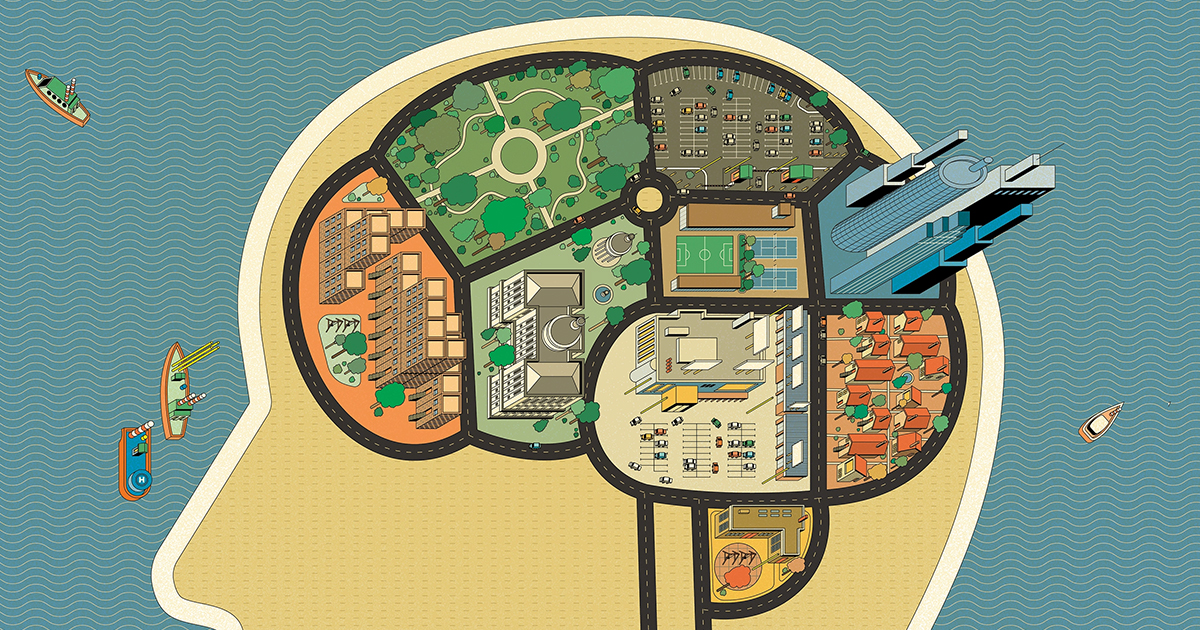
"Imagine drawing a map of your neighborhood, but with AI, you can see every house and every person inside! This helps scientists understand how the brain works like a neighborhood."
Deep Intelligence Analysis
The ability to map the brain at a cellular level is crucial for understanding how the organ operates in health and disease. By identifying the specific functions of different brain regions, researchers can gain insights into neurological disorders and mental health conditions. This knowledge could lead to the development of new treatments and therapies. However, the complexity of the brain and the limitations of current AI algorithms pose challenges to accurate and complete mapping. It is important to validate AI-generated maps with experimental data and to consider the potential for biases in the algorithms. Despite these challenges, AI-driven brain mapping holds great promise for advancing our understanding of the brain and improving human health.
*Transparency Disclosure: The AI model was used to generate the deep analysis section of this content. The key facts and figures were derived directly from the source article.*
Impact Assessment
Detailed brain maps are crucial for understanding brain function and disease. AI-driven mapping accelerates the process and reveals finer-grained layouts.
Key Details
- Researchers used AI to analyze genetic data from 10.4 million individual cells in five mouse brains.
- The AI algorithm created brain maps with known and novel subdivisions within larger brain regions.
- Korbinian Brodmann defined 52 regions of the cerebral cortex in the early 1900s.
- The Allen Mouse Brain Common Coordinate Framework, published in 2020, includes more than 1,000 different areas.
Optimistic Outlook
Applying AI to brain mapping could lead to a deeper understanding of how the brain's parts operate in health and disease, potentially leading to new treatments and therapies.
Pessimistic Outlook
The complexity of the brain and the limitations of current AI algorithms could lead to inaccurate or incomplete maps, hindering scientific progress and potentially misguiding research efforts.
Get the next signal in your inbox.
One concise weekly briefing with direct source links, fast analysis, and no inbox clutter.
More reporting around this signal.
Related coverage selected to keep the thread going without dropping you into another card wall.