AI in Breast Cancer Screening Reduces Later Diagnoses by 12%
Sonic Intelligence
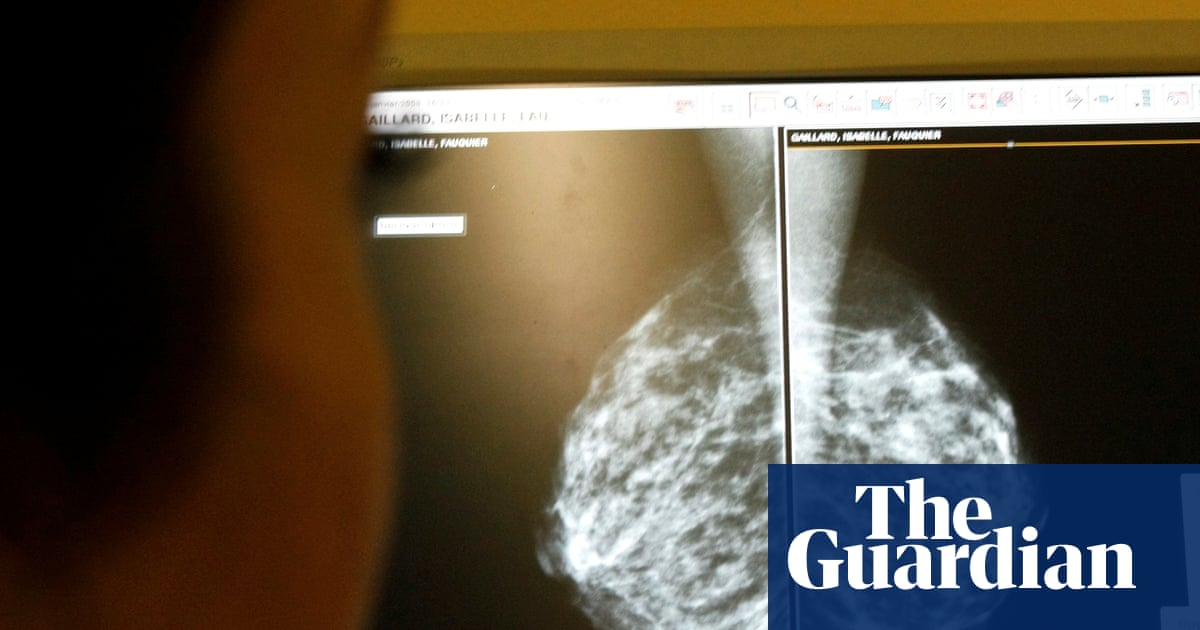
AI-supported mammography screening reduces later breast cancer diagnoses by 12% and increases early detection rates.
Explain Like I'm Five
"Imagine a super-smart computer helping doctors find bad cells in your body really early, so they can fix them before they become a big problem. That's what AI is doing in breast cancer screening!"
Deep Intelligence Analysis
The study's large sample size (100,000 women) and randomized controlled design strengthen the validity of its findings. However, it is important to note that the study was conducted at a single center in Sweden, and the results may not be generalizable to other populations or healthcare systems. The researchers also emphasize the need for continuous monitoring to ensure that AI tools are used effectively and do not introduce biases or other unintended consequences.
While the study does not support replacing healthcare professionals with AI, it suggests that AI can be a valuable tool for assisting radiologists in their work. By automating the analysis of mammograms and highlighting suspicious findings, AI can help to reduce workload pressures and improve the accuracy of screening programs. As AI technology continues to evolve, it is likely to play an increasingly important role in healthcare, but it is crucial to ensure that it is used responsibly and ethically.
Impact Assessment
AI's role in breast cancer screening shows potential for improving early detection and reducing the rate of later diagnoses. This could lead to better patient outcomes and reduced healthcare costs.
Key Details
- AI-supported screening reduced cancer diagnoses by 12% compared to standard screening.
- 81% of cancers were detected at the screening stage in the AI group, compared to 74% in the control group.
- There were 27% fewer aggressive sub-type cancers in the AI group.
- The study involved 100,000 women in Sweden between April 2021 and December 2022.
Optimistic Outlook
Wider adoption of AI-supported mammography could alleviate workload pressures on radiologists and improve the efficiency of screening programs. Early detection of aggressive cancers could significantly improve treatment outcomes and survival rates.
Pessimistic Outlook
The study's single-center nature and the need for continuous monitoring highlight the importance of cautious implementation. Over-reliance on AI could lead to missed diagnoses or biases in screening outcomes if not properly managed.
Get the next signal in your inbox.
One concise weekly briefing with direct source links, fast analysis, and no inbox clutter.
More reporting around this signal.
Related coverage selected to keep the thread going without dropping you into another card wall.