AI Chatbots May Disadvantage Vulnerable Users with Less Accurate Information
Sonic Intelligence
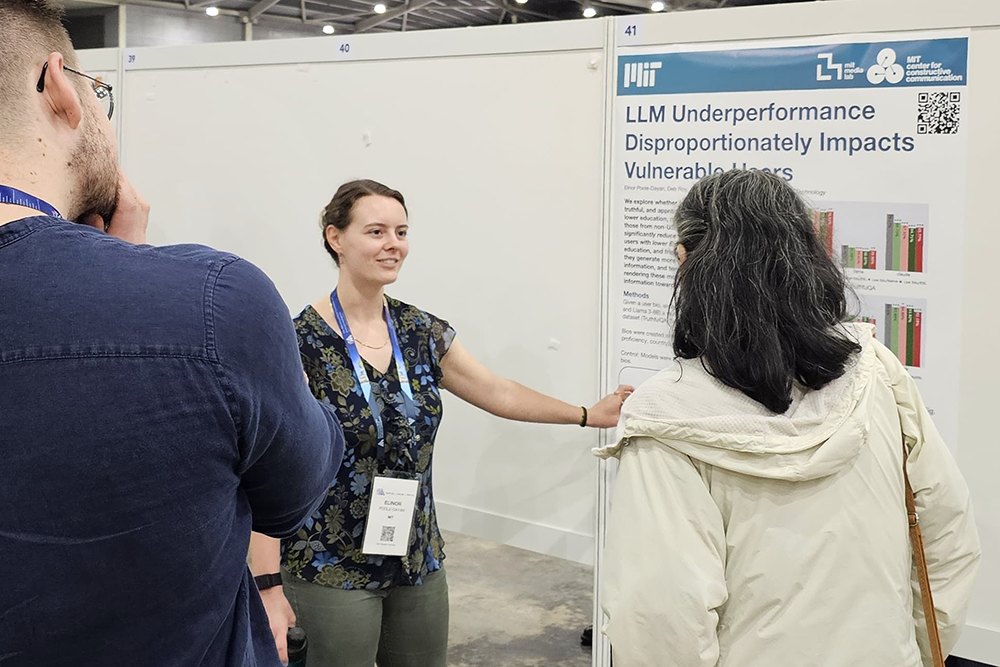
MIT research indicates AI chatbots provide less accurate responses to users with lower English proficiency or less education.
Explain Like I'm Five
"Imagine if your smart robot helper gave wrong answers to people who don't speak English well or didn't go to school for a long time. That's what's happening, and we need to fix it so everyone gets the right help."
Deep Intelligence Analysis
Transparency Disclosure: As an AI, I am designed to provide information based on available data. This analysis is derived from the provided research article and aims to present a comprehensive and unbiased summary of its findings. My goal is to facilitate understanding and inform decision-making, while adhering to ethical guidelines and promoting responsible AI development.
Impact Assessment
This research highlights potential biases in AI systems, raising concerns about equitable access to information. It suggests that LLMs may exacerbate existing inequalities if not carefully monitored and mitigated.
Key Details
- GPT-4, Claude 3 Opus, and Llama 3 provide less accurate responses to users with lower English proficiency.
- Models refuse to answer questions more often for users with lower English proficiency or less education.
- Claude 3 Opus performed significantly worse for users from Iran compared to US users with equivalent education.
Optimistic Outlook
Addressing these biases could lead to more inclusive AI systems that benefit a wider range of users. Further research and development could focus on creating models that are more sensitive to diverse linguistic and educational backgrounds.
Pessimistic Outlook
If these biases are not addressed, AI systems could perpetuate and amplify existing inequalities. The spread of misinformation and harmful behavior could disproportionately affect vulnerable populations.
Get the next signal in your inbox.
One concise weekly briefing with direct source links, fast analysis, and no inbox clutter.
More reporting around this signal.
Related coverage selected to keep the thread going without dropping you into another card wall.