AI Deciphers Roman Scrolls Scorched by Vesuvius
Sonic Intelligence
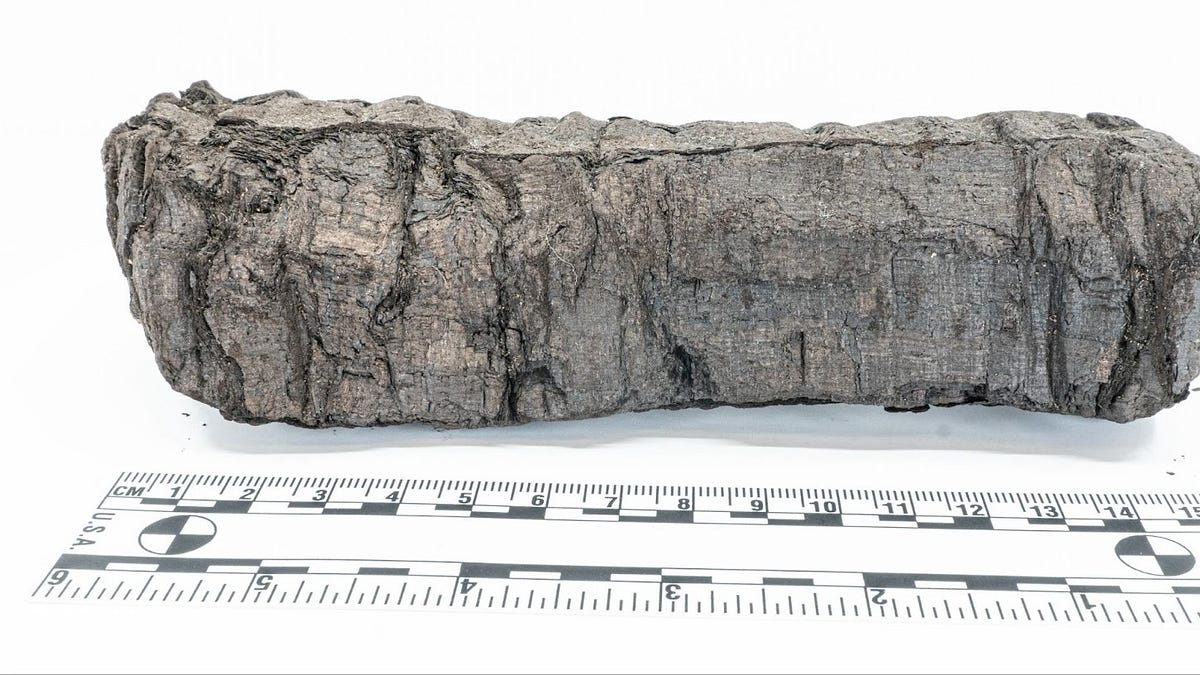
AI is being used to recover text from Roman scrolls carbonized by the eruption of Mount Vesuvius in AD 79, offering access to lost Greek prose.
Explain Like I'm Five
"Imagine using a super-smart computer to read burnt books from a long, long time ago, like turning invisible ink into words!"
Deep Intelligence Analysis
The Vesuvius Challenge, launched in March 2023, incentivized researchers to develop innovative techniques for virtually unwrapping and decoding the scrolls. Luke Farritor's discovery of the word 'purple' (ΠΟΡΦΥΡΑϹ) marked the first successful non-invasive recovery of text from a Herculaneum scroll. Subsequently, Youssef Nader, Luke Farritor, and Julian Schilliger won the Grand Prize for recovering 15 columns of text, demonstrating the potential of AI-powered decoding pipelines.
The recovered scrolls are believed to contain Greek prose, including philosophical works from the Epicurean tradition that were rarely recopied due to their conflict with Christian doctrine. Access to these texts could revolutionize our understanding of ancient Greek philosophy and literature, providing valuable insights into a previously underrepresented intellectual tradition.
Despite these successes, the task of decoding the remaining 300 intact scrolls remains a significant challenge. Experts estimate that it could take several years to complete the process, even with AI assistance. However, continued advancements in AI techniques and increased collaboration among researchers could accelerate the decoding process and unlock the full potential of these ancient texts.
Impact Assessment
This breakthrough provides access to previously unreadable ancient texts, potentially revealing lost philosophical works and historical insights. It demonstrates the power of AI in unlocking historical knowledge.
Key Details
- About 800 scrolls were buried by the eruption of Mount Vesuvius in AD 79.
- Luke Farritor used machine learning to identify the word 'purple' (ΠΟΡΦΥΡΑϹ).
- Youssef Nader, Luke Farritor, and Julian Schilliger won $700,000 for recovering 15 columns of text.
- Around 300 intact scrolls remain to be decoded.
Optimistic Outlook
Continued advancements in AI techniques could accelerate the decoding process, allowing researchers to access the full content of the scrolls in the near future. The recovered texts could revolutionize our understanding of ancient Greek philosophy and literature.
Pessimistic Outlook
Decoding the remaining scrolls could take several years, even with AI assistance. The process may be hampered by the poor condition of the scrolls and the challenges of accurately interpreting the recovered text.
Get the next signal in your inbox.
One concise weekly briefing with direct source links, fast analysis, and no inbox clutter.
More reporting around this signal.
Related coverage selected to keep the thread going without dropping you into another card wall.