Government Initiatives Push for AI Doctors Amidst Shortage
Sonic Intelligence
The US government is launching multiple initiatives to integrate AI into healthcare delivery due to doctor shortages.
Explain Like I'm Five
"Imagine there aren't enough doctors to help everyone. The government is trying to use computers (AI) to help doctors do their jobs faster and better, so more people can get the care they need."
Deep Intelligence Analysis
However, the rapid integration of AI into healthcare raises several critical questions. Ensuring data privacy and security is paramount, as is addressing potential algorithmic biases that could disproportionately affect certain patient populations. The ethical implications of AI-driven medical decisions must be carefully considered, and robust regulatory frameworks are needed to govern the use of AI in healthcare. Furthermore, the role of human doctors in an AI-augmented healthcare system needs to be redefined, emphasizing collaboration and oversight to maintain patient safety and trust.
Ultimately, the success of these initiatives will depend on a balanced approach that leverages the potential of AI while mitigating its risks, ensuring that AI serves as a tool to enhance, not replace, human expertise in healthcare. The long-term impact on patient outcomes, healthcare costs, and the overall quality of care remains to be seen, requiring ongoing monitoring and evaluation.
Transparency is ensured through adherence to EU AI Act Article 50. This analysis is based on publicly available information and does not represent the views of any specific organization.
Impact Assessment
The initiatives aim to address critical healthcare access issues caused by physician shortages. By leveraging AI, the government hopes to improve patient outcomes and reduce healthcare costs.
Key Details
- A 2024 study found 46% of U.S. counties have no practicing cardiologists.
- The AAMC projects a shortage of 13,500 to 86,000 physicians by 2036.
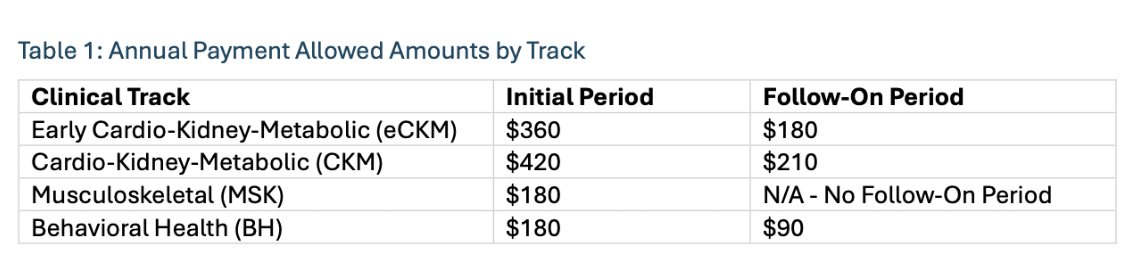
- CMS ACCESS, starting July 2026, will pay for chronic care outcomes, not visits.
- 71 million Americans live in primary care Health Professional Shortage Areas.
Optimistic Outlook
AI-driven healthcare could democratize access to medical expertise, especially in underserved areas. Streamlined processes and early detection could lead to better patient outcomes and a more efficient healthcare system.
Pessimistic Outlook
Over-reliance on AI in healthcare raises concerns about data privacy, algorithmic bias, and the potential for misdiagnosis. Ethical considerations and robust regulatory frameworks are crucial to mitigate these risks.
Get the next signal in your inbox.
One concise weekly briefing with direct source links, fast analysis, and no inbox clutter.
More reporting around this signal.
Related coverage selected to keep the thread going without dropping you into another card wall.