AI-Driven Development: The End of Human Code Reviews?
Sonic Intelligence
A distinguished engineer posits AI will render human code reviews obsolete.
Explain Like I'm Five
"Imagine a super-smart robot that can write computer programs way faster than any person. Soon, this robot will be so good that people won't even need to check its work, just like how a super-smart chess computer plays better than any human."
Deep Intelligence Analysis
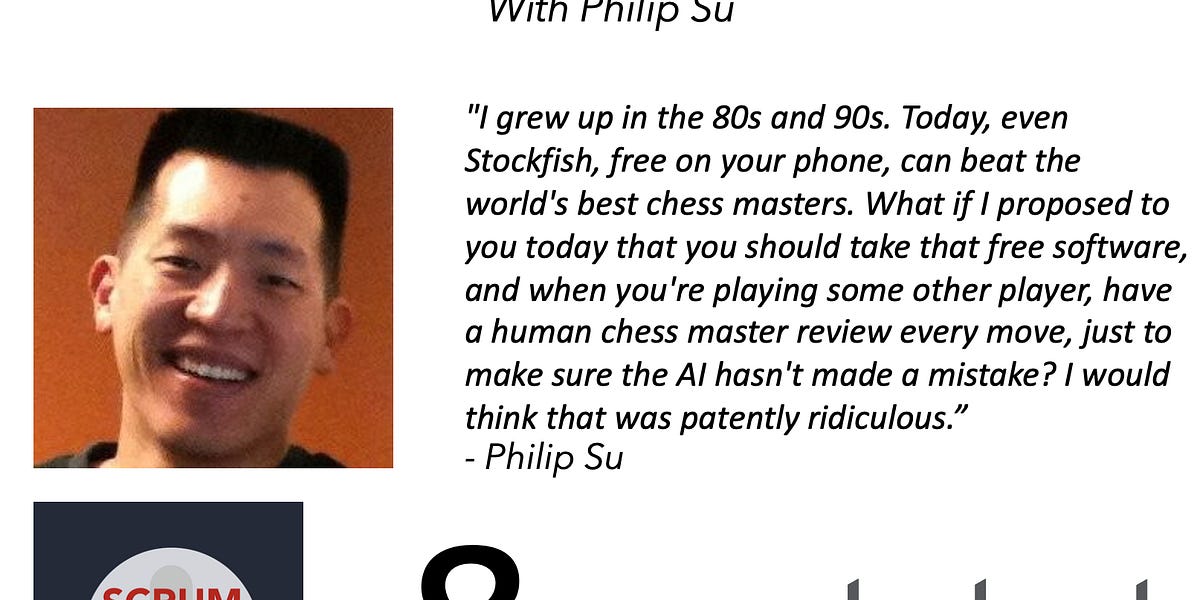
Su's argument draws a compelling parallel to the evolution of chess, where AI engines like Stockfish have long surpassed human grandmasters, rendering human review of AI moves "patently ridiculous." He projects a similar trajectory for code generation, especially given AI's capacity to produce code at 5x to 20x the human rate. This exponential increase in output fundamentally breaks the traditional code review model, which relies on human capacity to understand and validate every line. The shift towards "lights-out codebases," where human eyes never directly inspect the source, is presented not as a current reality but as an inevitable direction, forcing a re-evaluation of how quality, security, and maintainability are ensured. His experience at Amazon's warehouse, observing the relentless march of automation, reinforces this deterministic view of AI's expanding role.
The forward implications are profound. Organizations must begin strategizing for a development ecosystem where AI is the primary code generator and human roles pivot towards AI system management, architectural oversight, and high-level problem definition. This necessitates new skill sets for engineers, focusing on prompt engineering, AI model evaluation, and understanding the systemic risks of autonomous code generation. Regulatory bodies and industry standards will also need to adapt, potentially developing new frameworks for AI-generated code assurance and liability. The transition promises unprecedented productivity gains but demands a proactive approach to retraining the workforce and establishing robust AI governance.
[EU AI Act Art. 50 Compliant]
Visual Intelligence
flowchart LR
    A["Human Code Review"] --> B{"AI Code Generation"}
    B -- "5x-20x Faster" --> C["Increased Code Volume"]
    C --> D{"Human Review Bottleneck"}
    D -- "Becomes Liability" --> E["Lights-Out Codebase"]
    E --> F["Engineers Manage AI"]
Auto-generated diagram · AI-interpreted flow
Impact Assessment
This perspective from a seasoned engineer challenges fundamental software development paradigms. It suggests a radical shift in developer roles and code quality assurance, potentially accelerating development cycles but also introducing new risks and skill requirements for engineers.
Key Details
- Philip Su, former Distinguished Engineer at Meta (IC9), worked at Microsoft, Meta, and OpenAI.
- He predicts individual contributor roles in software engineering will evolve to managing AI agents.
- He argues code reviews will become a liability as AI generates 5x-20x more code daily.
- He compares AI's future role in coding to Stockfish's dominance in chess.
- He is currently building Superphonic, an AI-powered podcast player.
Optimistic Outlook
The shift to AI-managed codebases could dramatically increase development velocity and scale, allowing engineers to focus on higher-level architectural problems and innovation. This could lead to unprecedented software complexity and capability.
Pessimistic Outlook
Eliminating human code reviews could introduce new vulnerabilities, subtle bugs, or ethical issues if AI-generated code is not adequately scrutinized. It also implies significant job displacement for traditional software developers and a potential loss of human oversight in critical systems.
Get the next signal in your inbox.
One concise weekly briefing with direct source links, fast analysis, and no inbox clutter.
More reporting around this signal.
Related coverage selected to keep the thread going without dropping you into another card wall.