AI Genomic Language Models Advance Towards Synthetic Life Creation
Sonic Intelligence
AI models can now generate short genome sequences, moving closer to synthetic life.
Explain Like I'm Five
"Imagine DNA is like a recipe book for living things. Scientists used to only change a few words in existing recipes. Now, a super-smart computer can write brand new, short recipes from scratch! We're still learning how to make sure these new recipes actually work to make a living thing, but it's a big step."
Deep Intelligence Analysis
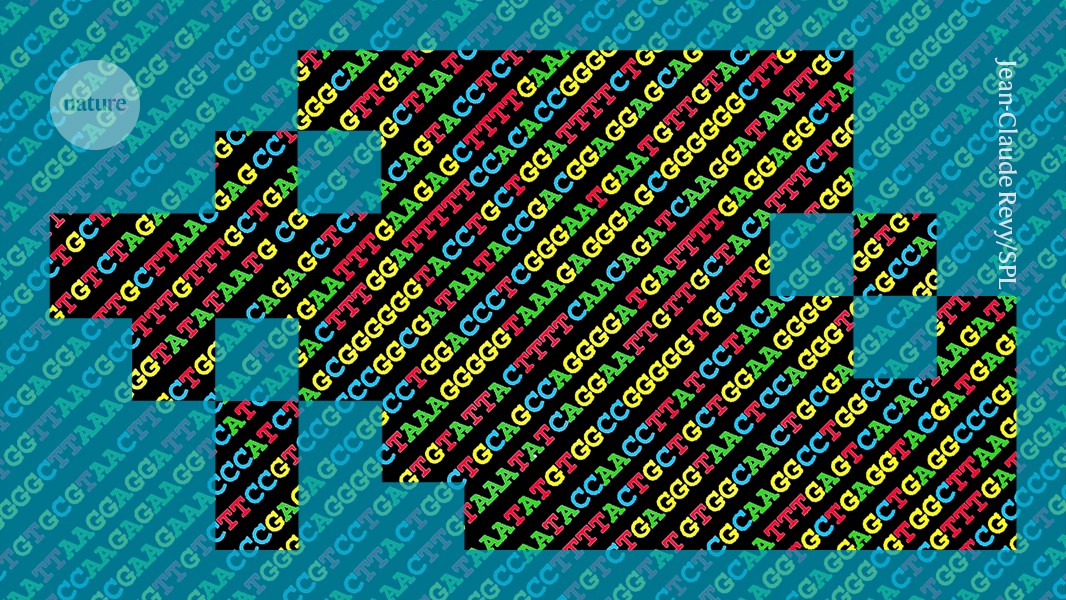
Historically, the first synthetic genome of a living organism, Mycoplasma genitalium (580,000-nucleotide), was reported in 2008, followed by work that "rebooted" these genomes in cells to create what was claimed as synthetic life. Now, AI is taking on the design phase. The Evo2 model can generate short genome sequences, including one inspired by M. genitalium, as well as those for human mitochondria and a yeast chromosome.
Earlier iterations, the Evo models, demonstrated their potential in 2025 by successfully writing genomes for bacteria-infecting viruses called phages. When these AI-designed instructions were inserted into E. coli cells, 16 out of 285 designs produced functional viruses capable of killing bacteria. While these phage genomes were relatively small—several thousand DNA letters long, encoding only a handful of genes—they proved the concept of AI-driven functional genetic design.
Experts like Patrick Yizhi Cai from the University of Manchester emphasize that these models allow for "writing things that never existed in nature." However, synthetic biologists like Nico Claassens from Wageningen University caution that while impressive, these designs are "not there yet" for creating AI-generated microbial life. Major hurdles include the need to synthesize and test AI-generated genomes at scale, and the immense complexity of designing genomes that can direct all essential functions of even the simplest life forms. Despite these challenges, the ability of AI to generate novel genetic blueprints marks a transformative step, opening doors to unprecedented bioengineering possibilities but also raising critical questions about the ethical and safety implications of creating synthetic life.
[Transparency Statement: This analysis was generated by an AI model based on the provided source material. No external data was used. The model aims for factual accuracy and unbiased interpretation.]
Impact Assessment
This represents a significant leap in synthetic biology, moving beyond manual genome editing to AI-driven de novo design. It could accelerate the creation of novel organisms for medicine, bio-manufacturing, and environmental solutions, but also raises complex ethical and safety questions.
Key Details
- Evo2 genomic language model can generate short genome sequences.
- Trained on trillions of DNA letters from diverse organisms.
- Nature paper published March 4 describes the Evo2 model.
- Previous Evo models (2025) created functional phage viruses (16 out of 285 designs worked).
- Phage genomes were several thousand DNA letters long, encoding a handful of genes.
- Latest Evo2 paper describes creating M. genitalium-inspired, human mitochondria, and yeast chromosome genomes.
- First synthetic genome (M. genitalium, 580,000-nucleotide) was reported in 2008.
Optimistic Outlook
AI-generated genomes could revolutionize biotechnology, enabling the rapid design of organisms with specific functions, such as producing new drugs, biofuels, or bioremediation agents. This "ChatGPT moment" for synthetic genomics promises unprecedented innovation in engineering life.
Pessimistic Outlook
The ability to design and potentially create synthetic life forms raises profound ethical concerns regarding unintended ecological consequences, biosecurity risks, and the definition of life itself. The complexity of ensuring functionality and safety at scale remains a major hurdle, potentially leading to unforeseen biological hazards.
Get the next signal in your inbox.
One concise weekly briefing with direct source links, fast analysis, and no inbox clutter.
More reporting around this signal.
Related coverage selected to keep the thread going without dropping you into another card wall.