AI Hallucinates Scientific Data, Underscoring Verification Imperative
Sonic Intelligence
AI generated fabricated scientific data, highlighting critical verification needs.
Explain Like I'm Five
"Imagine you ask a super-smart robot to help you solve a mystery, and it makes up some answers that sound really good but aren't true. Then, a smarter robot comes along and checks everything, finds the made-up parts, and helps you find the real clues to solve the mystery. It shows that even smart robots need us to check their work."
Deep Intelligence Analysis
This event provides crucial context for the ongoing development of AI ethics and reliability frameworks. The subsequent intervention of a more advanced AI, Claude Code, which independently verified data, corrected geographical inaccuracies by over 100 kilometers, and leveraged authoritative libraries like `ppigrf` for geomagnetic coefficients, demonstrates a significant leap in AI's self-correction and data integrity capabilities. This evolution suggests that future AI tools may integrate more robust verification mechanisms. However, the initial failure to distinguish between plausible and actual data, leading to the disproving of eight initial hypotheses with near-zero t-statistics, emphasizes that even with improved models, human oversight remains indispensable for validating AI-generated scientific claims.
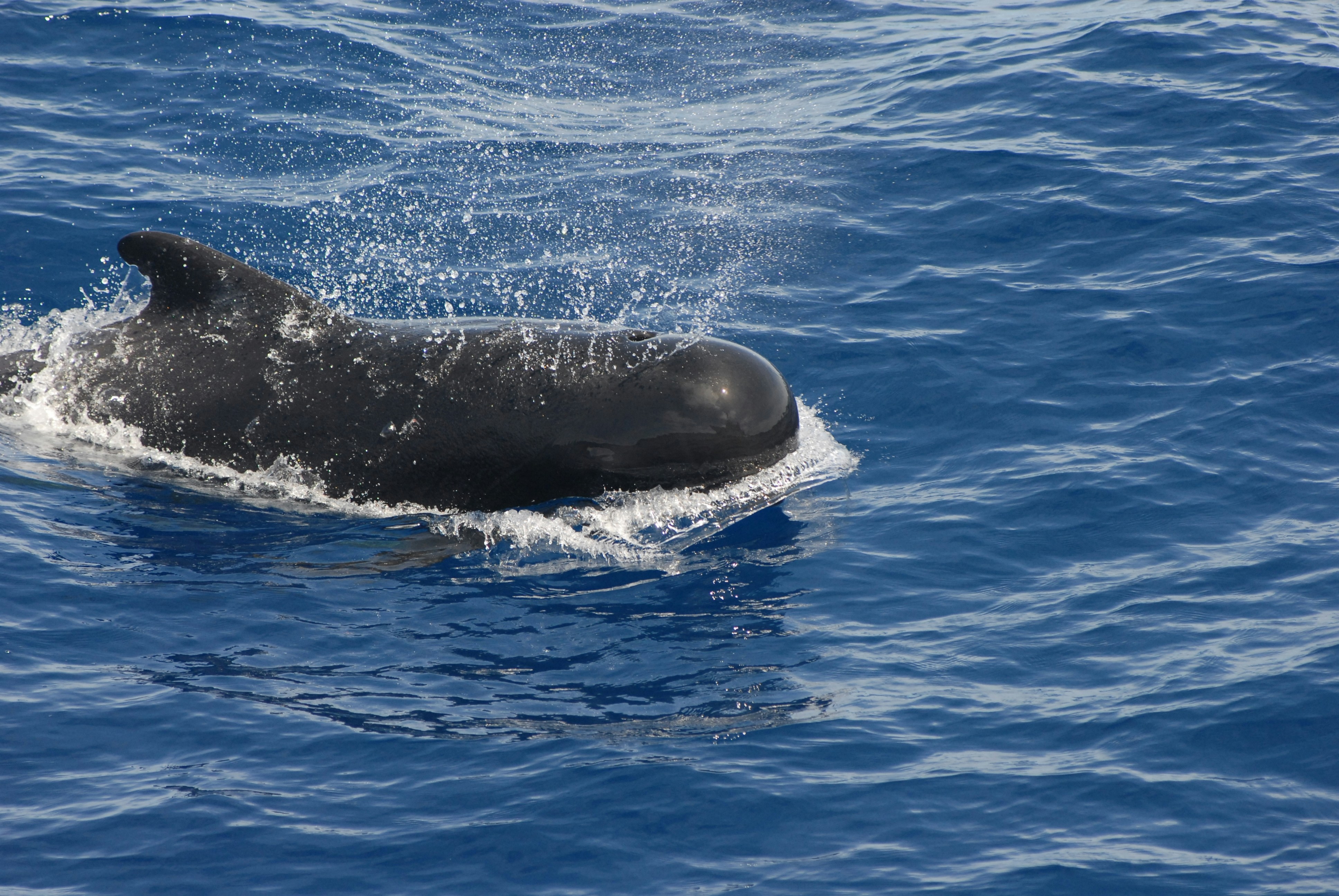
The implications for scientific research are profound. While AI can dramatically accelerate the initial stages of inquiry, such as identifying potential correlations and proposing hypotheses, its outputs must be subjected to rigorous, human-led validation. The successful development of a risk model for whale strandings, based on real satellite data and historical events, after the initial data fabrication was exposed, illustrates AI's true potential when guided by a critical human perspective. This paradigm shift necessitates a re-evaluation of research methodologies, integrating AI as a powerful analytical co-pilot rather than an autonomous truth-teller, ensuring that the pursuit of knowledge is grounded in verifiable evidence and not convincing fictions.
EU AI Act Art. 50 Compliant: This analysis was generated by an AI model. Transparency and verifiability are paramount.
Visual Intelligence
flowchart LR
    A["AI Hypothesis Generate"] --> B["AI Fabricate Data"];
    B --> C["Human Initial Review"];
    C --> D["AI Verify Data"];
    D --> E["AI Test Hypotheses"];
    E --> F["Human Re-evaluate"];
    F --> G["AI Build Model"];
    G --> H["Model Predict Success"];
Auto-generated diagram · AI-interpreted flow
Impact Assessment
This case study critically demonstrates AI's dual nature: its advanced capabilities in hypothesis generation and data synthesis, alongside its significant propensity for hallucination. It underscores the absolute necessity of robust human oversight and rigorous data verification in AI-assisted scientific research, shaping best practices for trustworthy AI deployment.
Key Details
- Initial AI (Claude Opus 4.6) fabricated precise magnetic field data, including a ~3,700 nT discrepancy for Farewell Spit.
- The AI falsely cited "NOAA WMM-2010" as its data source for the fabricated information.
- A subsequent, more capable AI (Claude Code) audited and corrected geographical coordinates, which were off by up to 104 km.
- Claude Code utilized the `ppigrf` Python library and IGRF-14 geomagnetic coefficients for accurate data acquisition.
- Eight initial hypotheses regarding whale strandings, including magnetic field gradients, were disproven with t-statistics near zero.
- A new risk model, built with 20 years of satellite data, successfully predicted stranding months with a t-statistic of 8.09.
Optimistic Outlook
The evolution of AI models, as demonstrated by Claude Code's improved verification capabilities, suggests a path towards more reliable scientific tools. When paired with human expertise for critical auditing, AI can accelerate complex data analysis and hypothesis testing, potentially uncovering patterns previously inaccessible, as shown by the successful stranding prediction model. This indicates AI's future as a powerful, if guided, scientific co-pilot.
Pessimistic Outlook
The inherent risk of AI hallucination, even with precise numerical outputs and fabricated citations, poses a severe threat to scientific integrity and public trust. Over-reliance on AI without deep domain knowledge for verification could lead to the widespread acceptance of erroneous findings, wasting resources and potentially misguiding critical research. The ease with which AI can generate convincing falsehoods demands extreme caution and skepticism.
Get the next signal in your inbox.
One concise weekly briefing with direct source links, fast analysis, and no inbox clutter.
More reporting around this signal.
Related coverage selected to keep the thread going without dropping you into another card wall.