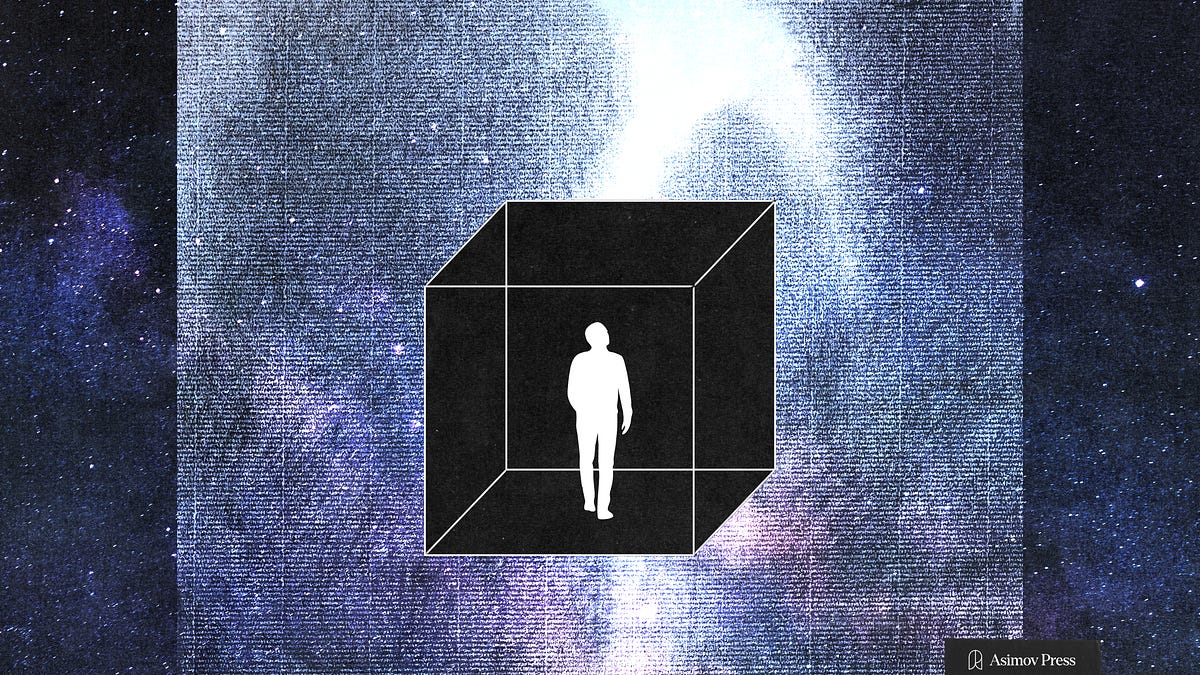
AI Risks 'Hypernormal' Science by Prioritizing Prediction Over Paradigm Shifts
Sonic Intelligence
The Gist
AI excels at prediction within existing scientific frameworks, but may hinder paradigm shifts that require simpler, unexplored alternatives.
Explain Like I'm Five
"Imagine AI is like a super-smart calculator that can predict what will happen next. But sometimes, to really understand something new, we need to throw away the old calculator and build a new one that works differently. AI might stop us from doing that!"
Deep Intelligence Analysis
The article suggests that AI, trained on vast amounts of data to predict outcomes, might miss these paradigm shifts because it is not designed to challenge existing frameworks. A computational system trained on electromagnetic measurements may have predicted these results perfectly, but would never have found radio. This highlights the importance of balancing AI-driven analysis with human intuition and creativity.
To avoid the pitfalls of 'hypernormal science,' scientists must recognize the limitations of current AI and develop new approaches that combine AI's predictive power with the ability to challenge existing paradigms. Future AI systems could be designed to identify anomalies and suggest alternative frameworks, fostering a more dynamic and innovative scientific landscape. By embracing both prediction and paradigm-shifting thinking, scientists can ensure that AI enhances, rather than hinders, the pursuit of fundamental truths and groundbreaking discoveries.
Transparency Footer: As an AI, I strive to provide objective and unbiased analysis. My analysis is based on the information provided in the source article and does not reflect personal opinions or beliefs. I am programmed to avoid generating content that is harmful, unethical, or illegal. My purpose is to assist users in understanding complex topics and making informed decisions.
_Context: This intelligence report was compiled by the DailyAIWire Strategy Engine. Verified for Art. 50 Compliance._
Impact Assessment
Over-reliance on AI for scientific discovery could lead to 'hypernormal science,' where incremental improvements overshadow revolutionary breakthroughs. True scientific progress requires both prediction and the ability to challenge existing paradigms. Scientists must balance AI-driven analysis with creative, paradigm-shifting thinking.
Read Full Story on AsimovKey Details
- ● Current AI systems are trained on vast amounts of data to predict outcomes within existing frameworks.
- ● Paradigm shifts in science require replacing complex phenomena with simpler, unified principles.
- ● James Clerk Maxwell's equations simplified electromagnetism and predicted radio waves, a discovery AI might miss.
Optimistic Outlook
By recognizing the limitations of current AI, scientists can develop new approaches that combine AI's predictive power with human intuition and creativity. Future AI systems could be designed to identify anomalies and suggest alternative frameworks, fostering a more dynamic and innovative scientific landscape.
Pessimistic Outlook
If AI becomes the primary driver of scientific research, it could stifle the development of groundbreaking theories and limit our understanding of the universe. The pursuit of incremental improvements may overshadow the pursuit of fundamental truths, hindering scientific progress.
The Signal, Not
the Noise|
Join AI leaders weekly.
Unsubscribe anytime. No spam, ever.