Back to Wire
AI's Oppenheimer Moment: Responsibility and Technological Inevitability
Society

AI's Oppenheimer Moment: Responsibility and Technological Inevitability

Source: A16Z Original Author: Erik Torenberg 2 min read Intelligence Analysis by Gemini

Sonic Intelligence

00:00 / 00:00
Signal Summary

The development of powerful technology creates a sense of inevitability regarding its use, raising questions about responsibility.

Explain Like I'm Five

"Imagine building a super cool toy that's also super dangerous. Even if you didn't mean for it to hurt anyone, are you still a little bit responsible if it does?"

Original Reporting
A16Z

Read the original article for full context.

Read Article at Source

Deep Intelligence Analysis

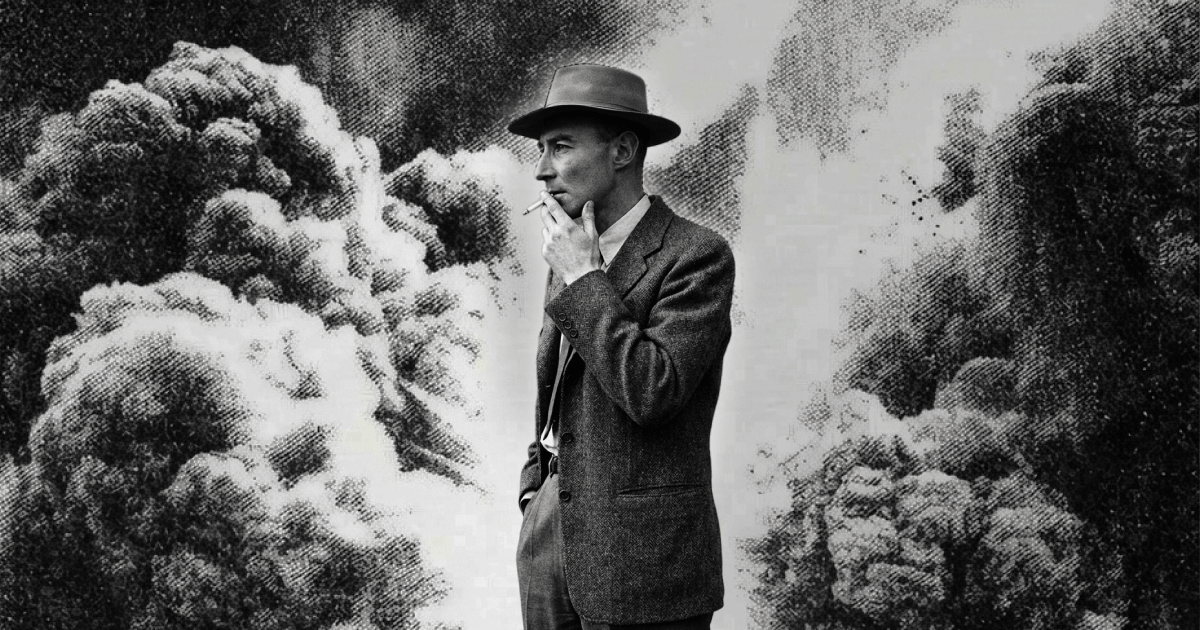
The article draws a parallel between the development of the atomic bomb and the current advancements in AI, particularly regarding the sense of inevitability surrounding their use. The author references the movie 'Oppenheimer' and the real-life meeting between Oppenheimer and President Truman to illustrate the ethical dilemmas faced by scientists and policymakers when dealing with powerful technologies. The key question raised is whether the development of such technologies inherently leads to their deployment, regardless of the potential consequences. The author suggests that the feeling of inevitability can overshadow the importance of responsible development and oversight. The piece argues that the focus should not solely be on who uses the technology, but also on the responsibility of those who create it. The comparison to Oppenheimer's feelings of guilt highlights the potential for creators to feel responsible for the destructive potential of their inventions. The article serves as a cautionary tale, urging for careful consideration of the ethical implications of AI and proactive measures to ensure its responsible development and deployment. The author's personal reflection on the film's message underscores the importance of learning from history and avoiding the mistakes of the past. The core message is a call for proactive ethical considerations and responsible development practices in the field of AI, drawing parallels with the historical context of nuclear weapons development.
AI-assisted intelligence report · EU AI Act Art. 50 compliant

Impact Assessment

This highlights the ethical dilemmas inherent in technological advancement, particularly when the potential consequences are catastrophic. It forces a discussion on who bears responsibility for the use of powerful technologies: the creators, the deployers, or both.

Key Details

  • The meeting between Oppenheimer and Truman after the atomic bombing was reportedly hostile.
  • Truman questioned whether those affected by the bombing cared who built the bomb, focusing on who dropped it.
  • Oppenheimer expressed feeling responsible for a chain reaction that could destroy the world.

Optimistic Outlook

Open dialogue about the potential dangers of AI could lead to proactive safety measures and international cooperation. This could ensure AI is developed and used responsibly, minimizing potential harm and maximizing benefits.

Pessimistic Outlook

The feeling of inevitability could lead to a lack of sufficient oversight and control over AI development. This could result in unintended consequences and potentially catastrophic outcomes, mirroring the concerns raised by Oppenheimer.

Stay on the wire

Get the next signal in your inbox.

One concise weekly briefing with direct source links, fast analysis, and no inbox clutter.

Free. Unsubscribe anytime.

Continue reading

More reporting around this signal.

Related coverage selected to keep the thread going without dropping you into another card wall.