AI Regulation: Separating Fact from Fiction in 2024
Sonic Intelligence
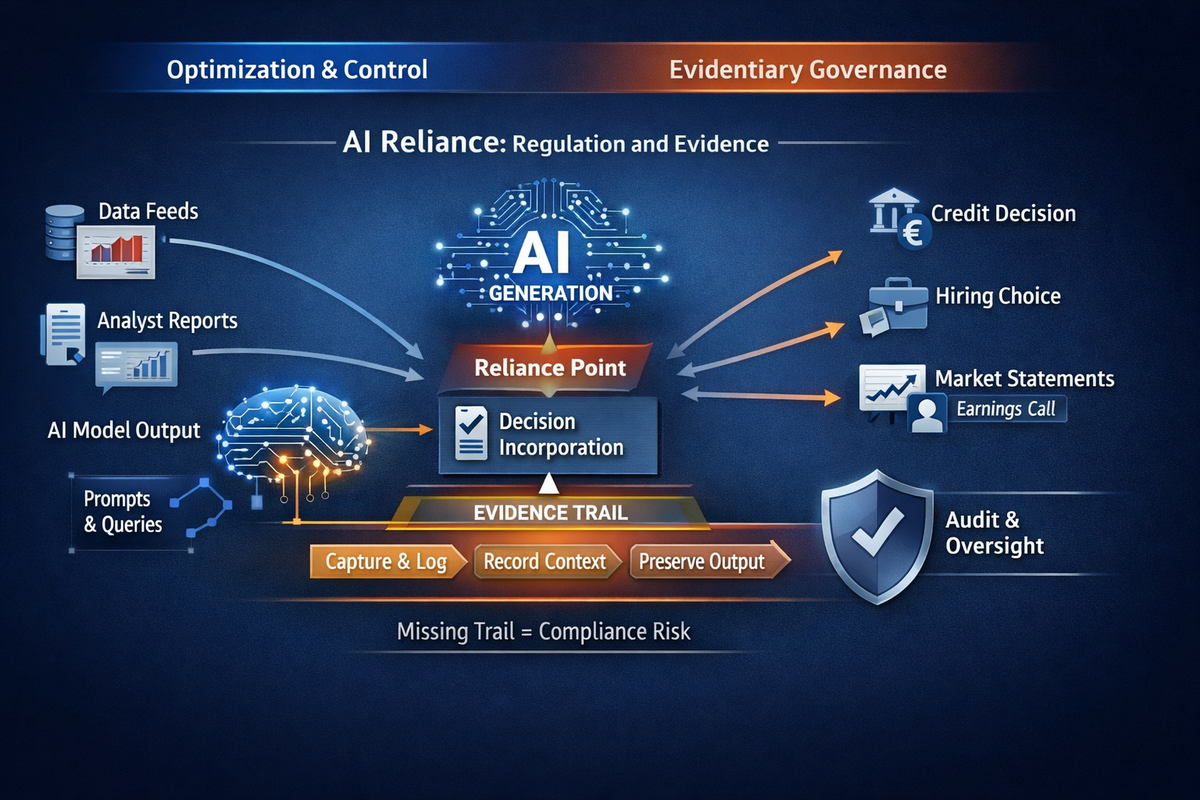
AI regulation focuses on AI reliance in consequential decisions, not just model building.
Explain Like I'm Five
"Imagine AI is like a helper. The rules aren't just about how the helper is made, but how much you trust what the helper says when making big decisions."
Deep Intelligence Analysis
Impact Assessment
Understanding the nuances of AI regulation is crucial for organizations to ensure compliance and mitigate risks. Focusing on AI reliance helps businesses prioritize accountability.
Key Details
- AI regulatory exposure is triggered by reliance on AI-generated statements, not the AI system itself.
- Regulators expect organizations to reconstruct AI-influenced decisions.
- The EU AI Act mandates traceability, record-keeping, and post-hoc accountability for high-risk AI systems.
- SEC regulates decision-relevant information flows, regardless of source.
Optimistic Outlook
Clear AI regulations can foster trust and innovation by providing a framework for responsible AI deployment. Organizations that prioritize transparency and accountability will gain a competitive advantage.
Pessimistic Outlook
Overly strict or unclear regulations could stifle AI innovation and create barriers to entry for smaller companies. A lack of international harmonization could lead to compliance complexities.
Get the next signal in your inbox.
One concise weekly briefing with direct source links, fast analysis, and no inbox clutter.
More reporting around this signal.
Related coverage selected to keep the thread going without dropping you into another card wall.



