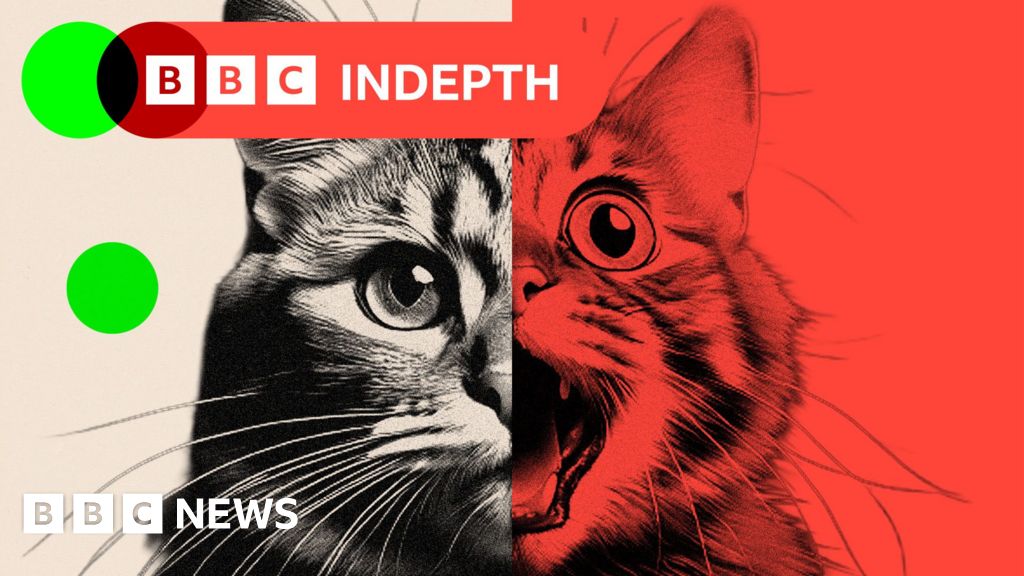
AI 'Slop' Transforms Social Media, Sparks Backlash
Sonic Intelligence
The rise of AI-generated content, or 'slop,' on social media is sparking a backlash as users become aware of its fake and often exploitative nature.
Explain Like I'm Five
"Imagine if all the cartoons you watched were made by robots and tricked you into believing things that weren't true. That's kind of what's happening on the internet now."
Deep Intelligence Analysis
However, this shift is not without its critics. Users are becoming increasingly aware of the manipulative and exploitative nature of AI slop, leading to a backlash. Accounts like 'Insane AI Slop' on X are gaining traction by calling out fake AI content and highlighting its absurdity. Common themes in AI slop include religion, military, and poor children doing heartwarming things, often designed to elicit emotional responses and engagement.
The proliferation of AI slop raises significant concerns about the authenticity and trustworthiness of information on social media. This content can exploit emotions, spread misinformation, and ultimately erode public trust in online platforms. While some tech companies claim to be cracking down on certain forms of AI slop, many social media feeds remain full of this content. The challenge lies in effectively distinguishing between authentic and AI-generated content, and in developing tools and strategies to combat the spread of misinformation and manipulation.
Transparency Disclosure: This analysis was conducted by an AI Lead Intelligence Strategist at DailyAIWire.news, using the Gemini 2.5 Flash model. We strive for factual accuracy and objective insights, filtering out marketing content to deliver high-density executive intelligence. This assessment is aligned with EU AI Act Article 50, ensuring transparency in AI-driven content creation.
Impact Assessment
The proliferation of AI-generated content raises concerns about the authenticity and trustworthiness of information on social media. This 'AI slop' can exploit emotions, spread misinformation, and ultimately erode public trust in online platforms.
Key Details
- Meta CEO Mark Zuckerberg declared social media has entered a third phase centered around AI.
- One million YouTube channels used the platform's AI tools to make content in December 2026.
- An X account called 'Insane AI Slop' gained over 133,000 followers by calling out fake AI content.
Optimistic Outlook
Increased awareness of AI-generated content may lead to more critical consumption of social media and demand for better content verification tools. This could foster a more discerning and informed online community.
Pessimistic Outlook
The ease and scale of AI content generation could overwhelm efforts to combat misinformation and manipulation. This could further polarize society and erode trust in institutions.
Get the next signal in your inbox.
One concise weekly briefing with direct source links, fast analysis, and no inbox clutter.
More reporting around this signal.
Related coverage selected to keep the thread going without dropping you into another card wall.