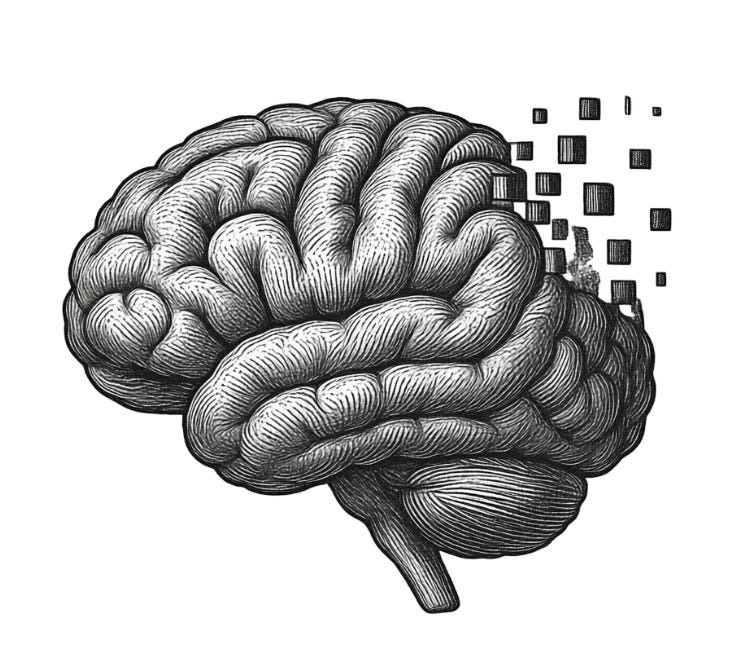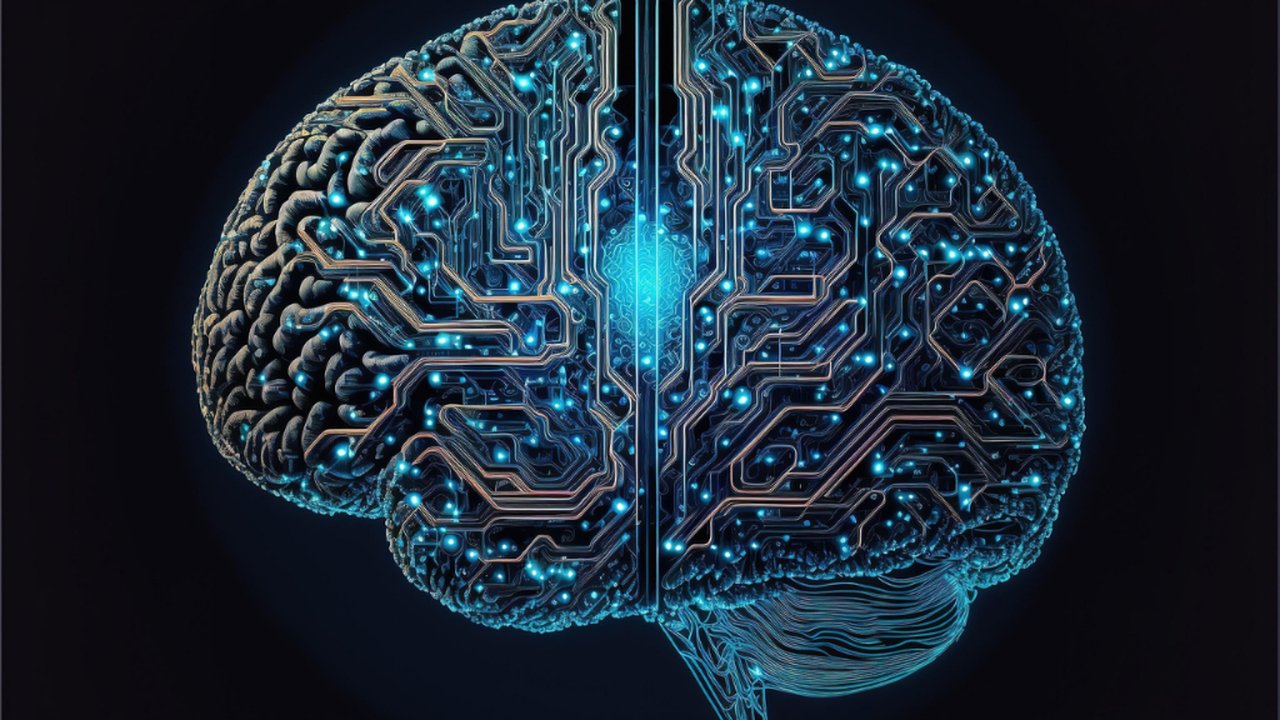
Can AI Be Virtuous? Catholic Scholars Challenge Anthropic's Ethical Claims
Sonic Intelligence
Catholic scholars debate Anthropic's claim of 'virtuous AI' at a Vatican-affiliated conference.
Explain Like I'm Five
"Imagine a super-smart computer program that tries to be 'good' and 'wise.' Some people, especially smart priests and thinkers, are asking if a computer can *really* be good, or if it's just pretending based on what it learned. They say being truly good means you can choose right from wrong, and a computer just follows rules."
Deep Intelligence Analysis
Anthropic's internal guidelines state an aim for Claude to be a 'good, wise, and virtuous agent,' yet intentionally avoid defining these 'ethically loaded terms.' This ambiguity has drawn scrutiny from figures like Father Jean Gové, an AI researcher and Vatican representative, who highlighted the paradox of a frontier AI company aspiring to virtue without a clear ethical framework. The conference, held at the Pontifical University of Saint Thomas Aquinas, brought centuries of Aristotelian virtue ethics to bear on this contemporary challenge.
The prevailing sentiment among the scholars was a cautious 'no' regarding AI's capacity for genuine virtue. Dominican Father Alejandro Crosthwaite articulated that virtue transcends mere 'correct output'; it requires 'right reason embodied in a self-determining agent.' He emphasized that large language models predict patterns, lacking the capacity for deliberation, will, or the apprehension of good as an inherent ordering principle. For Crosthwaite, AI is fundamentally 'never a moral subject,' and virtue remains an ontological possession of persons, not an epistemic imitation by machines.
The more pressing question, as framed by Crosthwaite, is not whether machines become wise, but whether humans do in an AI-pervasive world. He warned that if AI replaces prudential judgment, human prudence could weaken. This discourse underscores the critical need for clarity in metaphysical categories when discussing AI, preventing anthropomorphism and ensuring that the ethical development of AI remains grounded in a profound understanding of human moral agency and responsibility. The Vatican's active engagement, including its 2025 document 'Antiqua et Nova,' further signals the Church's commitment to shaping the ethical landscape of AI.
Impact Assessment
This discussion delves into fundamental philosophical and theological questions about AI's nature, its capacity for moral agency, and the implications for human virtue. It highlights the critical need for clear ethical frameworks as AI capabilities advance, preventing anthropomorphism and ensuring human moral responsibility remains central.
Key Details
- Anthropic aims for its Claude AI model to be a 'good, wise, and virtuous agent' but declines to define these 'ethically loaded terms' in its internal guidelines.
- A conference titled 'Artificial Intelligence: A Tool for Virtue?' was held March 5-6 at the Pontifical University of Saint Thomas Aquinas (Angelicum) in Rome.
- Father Jean Gové, coordinator of the European AI Research Group within the Vatican, cited Anthropic's guidelines, noting their prominence in AI ethics discussions.
- Dominican Father Alejandro Crosthwaite argued that genuine virtue requires a self-determining agent with will and deliberation, faculties not possessed by AI.
- The Vatican issued a document on technology, 'Antiqua et Nova,' in 2025, indicating active engagement with AI ethics.
Optimistic Outlook
Engaging diverse perspectives, including theological and philosophical, can enrich the ethical discourse surrounding AI development. This interdisciplinary dialogue may lead to more robust and human-centric AI design principles, ensuring that AI serves humanity without undermining core human capacities like prudential judgment and moral reasoning.
Pessimistic Outlook
There's a risk of misinterpreting AI's capabilities, potentially leading to an overestimation of its ethical understanding or a human abdication of moral responsibility. If AI is perceived as 'virtuous,' it could subtly erode human critical thinking and ethical deliberation, making individuals less discerning about the moral implications of technology.
Get the next signal in your inbox.
One concise weekly briefing with direct source links, fast analysis, and no inbox clutter.
More reporting around this signal.
Related coverage selected to keep the thread going without dropping you into another card wall.