AI Voice Cloning Leads to Copyright Fraud, Stripping Musician of Own Earnings
Sonic Intelligence
The Gist
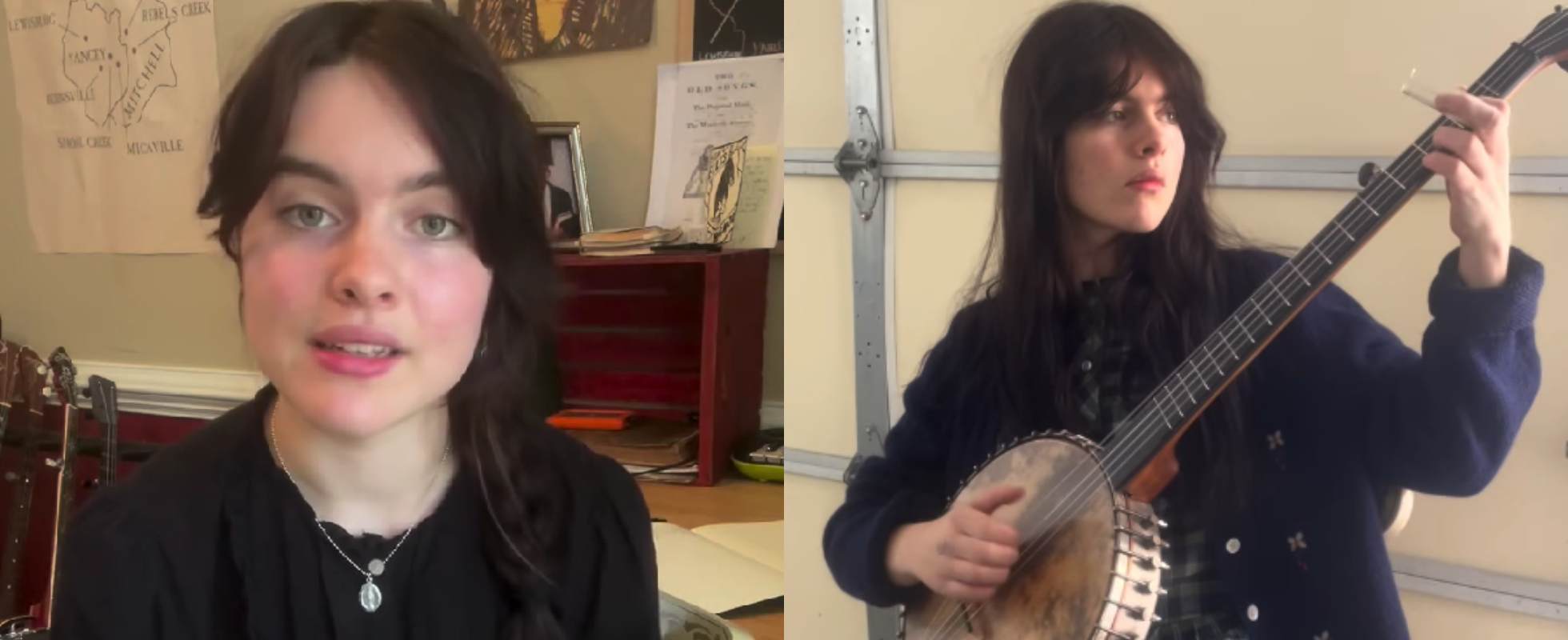
An AI company cloned a musician's voice, then used the imitation to copyright-strike her original songs on YouTube.
Explain Like I'm Five
"Imagine someone copied your singing voice with a computer, made new songs, and then told YouTube that *your* original songs were actually copies of *their* new ones. Now, you can't earn money from your own videos, and it's hard to fix because the computer system believes the copycat."
Deep Intelligence Analysis
The mechanics of the fraud reveal significant flaws in platform governance. 'Timeless Sounds IR' utilized an AI engine to replicate Campbell's distinct artistic signature, then distributed these AI-generated imitations via Vydia, which subsequently initiated copyright strikes on Campbell's authentic YouTube videos. This highlights the critical inadequacy of YouTube's Content ID system, which, by design, places the burden of resolution on the disputing parties rather than employing human review for complex claims. This creates an immense power imbalance, where a well-resourced or malicious entity can exploit automated systems to silence and financially disenfranchise original creators. The public outcry and calls for legal action, including formal Cease and Desist orders and DMCA takedowns, underscore the severity of this emerging threat and the collective demand for robust protective measures.
The forward implications of this case are profound for the creative industries and digital platforms alike. It necessitates an urgent re-evaluation of how intellectual property is protected in the age of generative AI, potentially leading to new legal precedents and regulatory frameworks specifically addressing AI-driven infringement. Platforms like YouTube must invest in more sophisticated AI detection capabilities and implement human-led review processes for copyright disputes involving AI-generated content to prevent further exploitation. Failure to do so risks fostering an environment where AI tools become instruments of theft, eroding trust, stifling innovation, and ultimately devaluing human creativity. This incident serves as a clarion call for a collaborative effort between technologists, legal experts, and policymakers to establish ethical AI usage guidelines and robust enforcement mechanisms that safeguard creators' rights in the evolving digital landscape.
Impact Assessment
This incident reveals a critical vulnerability in current intellectual property and platform moderation systems, where generative AI can be weaponized for copyright fraud. It highlights the urgent need for platforms to adapt their dispute resolution processes to protect original creators from sophisticated AI-driven exploitation, impacting artists' livelihoods and the integrity of creative works.
Read Full Story on RudevultureKey Details
- ● Folk musician Murphy Campbell's voice and instrumental style were replicated by an AI engine.
- ● An entity named 'Timeless Sounds IR' uploaded AI-generated versions of her songs to major music platforms.
- ● Vydia, the distributor, filed copyright claims against Campbell's original YouTube videos.
- ● Campbell is no longer earning income from her own YouTube channel due to these claims.
- ● YouTube's Content ID system places the burden of resolution on the involved parties.
Optimistic Outlook
This high-profile case could accelerate the development of more robust AI detection tools and fairer copyright dispute mechanisms on platforms like YouTube, ultimately empowering artists. It may also spur legislative action to better define and protect intellectual property rights in the age of generative AI, creating a safer digital environment for creators.
Pessimistic Outlook
Without immediate and effective platform intervention or legal reform, such AI-driven copyright fraud could become rampant, disincentivizing original creation and financially devastating independent artists. The current system's reliance on self-resolution leaves creators vulnerable to well-resourced bad actors exploiting AI for illicit gains, potentially leading to a chilling effect on artistic expression.

The Signal, Not
the Noise|
Join AI leaders weekly.
Unsubscribe anytime. No spam, ever.
Generated Related Signals
AI's Moral Blind Spot: LLMs Refuse Justified Rule-Breaking
LLMs exhibit 'blind refusal,' failing to differentiate between legitimate and unjust rule-breaking requests.

Esquire Singapore Defends AI Interview Amid Backlash
Esquire Singapore faces backlash for using AI to generate a celebrity interview.
AI Alignment Simulations Reveal Persistent Deceptive Beliefs Despite High Test Accuracy
Simulations show AI models can fix deceptive beliefs even with high alignment test accuracy.
Deconstructing LLM Agent Competence: Explicit Structure vs. LLM Revision
Research reveals explicit world models and symbolic reflection contribute more to agent competence than LLM revision.
Qualixar OS: The Universal Operating System for AI Agent Orchestration
Qualixar OS is a universal application-layer operating system designed for orchestrating diverse AI agent systems.

UK Legislation Quietly Shaped by AI, Raising Sovereignty Concerns
AI-generated text has quietly entered British legislation, sparking concerns over national sovereignty and control.