Apple's Post-Cook Era: Ternus to Drive Hardware-Centric AI and Robotics Strategy
Sonic Intelligence
John Ternus's CEO appointment signals Apple's intensified focus on AI-centric hardware and robotics.
Explain Like I'm Five
"Apple is getting a new boss, John, who loves building cool gadgets. He might make Apple focus even more on smart devices that use AI, like super-smart glasses or even robots for your home, instead of just making iPhones better. It's like they're trying to invent the future of toys and helpers!"
Deep Intelligence Analysis
Ternus's extensive background in hardware engineering, including contributions to pivotal products like AirPods, Apple Watch, and Vision Pro, provides a clear indication of the direction. The strategic shift is expected to manifest in a new generation of AI-powered devices, with speculation pointing to smart glasses, wearable pendants with integrated cameras, and AI-enhanced AirPods, all designed to seamlessly connect with the iPhone ecosystem via Siri. Furthermore, Apple is reportedly advancing long-rumored products such as foldable iPhones and actively exploring home robotics, including concepts like tabletop devices with robotic arms and mobile personal assistants, a domain where Ternus has a documented personal interest.
This hardware-centric AI and robotics strategy could profoundly impact the consumer electronics market, potentially creating new product categories and intensifying competition across multiple fronts. Apple's ability to integrate sophisticated AI capabilities directly into its devices, coupled with its ecosystem strength, could set new industry standards for user experience and functionality. However, the success of this pivot will depend on overcoming significant R&D challenges, navigating complex supply chains, and delivering products that meet Apple's stringent quality and design expectations in highly competitive and rapidly evolving technological landscapes.
Impact Assessment
This leadership transition at Apple signals a strategic pivot towards hardware innovation, particularly integrating AI and exploring robotics, as the company seeks to define its next growth phase beyond services. This could reshape the consumer electronics landscape and intensify competition in emerging tech sectors.
Key Details
- John Ternus will succeed Tim Cook as Apple CEO later this year.
- Ternus joined Apple in 2001, rising through hardware engineering and contributing to products like AirPods, Apple Watch, and Vision Pro.
- His appointment suggests a renewed strategic focus on hardware, with AI integration at its core.
- Speculated future products include smart glasses, wearable pendants with cameras, AI-enabled AirPods, and foldable iPhones.
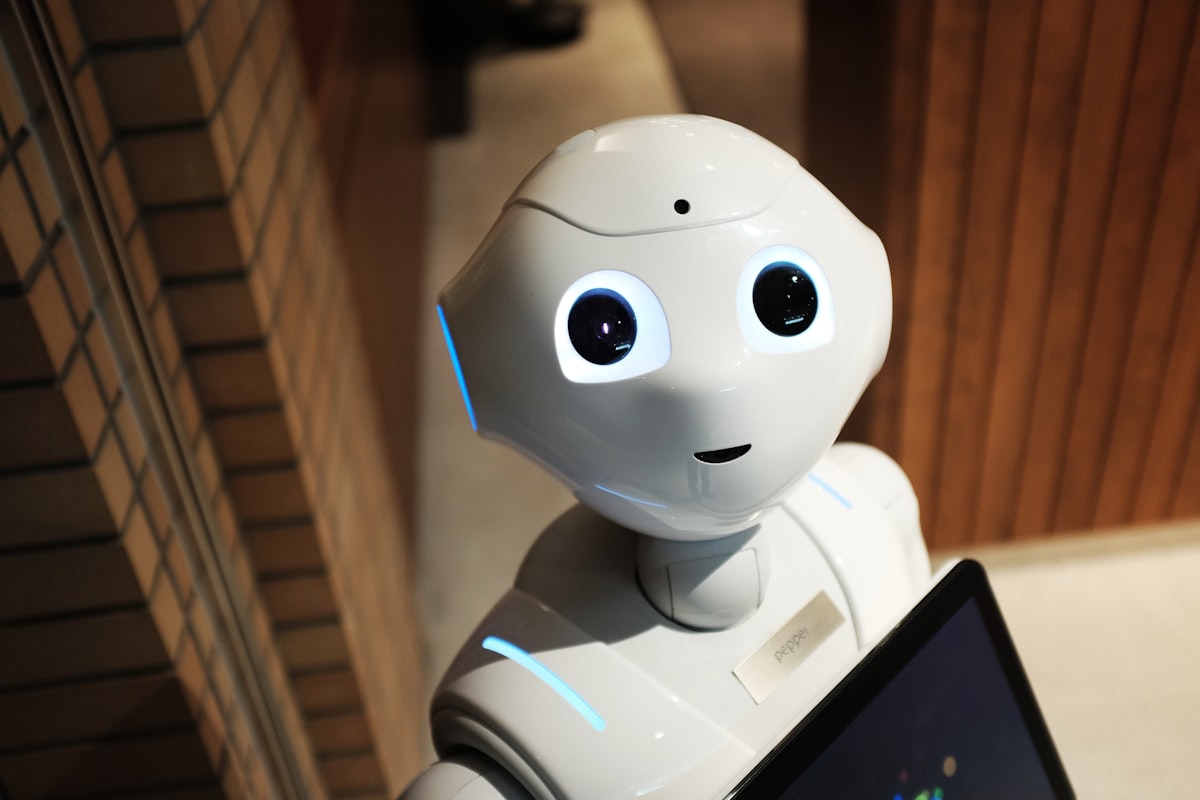
- Apple is reportedly exploring home robotics, including tabletop devices with robotic arms and mobile robots.
Optimistic Outlook
Ternus's deep hardware expertise could catalyze a wave of innovative, AI-powered devices that seamlessly integrate into users' lives, potentially creating entirely new product categories and significant revenue streams for Apple. A renewed focus on robotics could establish Apple as a leader in smart home and personal assistance technologies, expanding its ecosystem's reach.
Pessimistic Outlook
Shifting Apple's primary focus heavily towards hardware and nascent fields like robotics carries substantial R&D risks and potential for market missteps, especially given the company's historically cautious product development cycle. Intense competition in AI and the inherent complexity of robotics could lead to delayed launches or products that fail to meet Apple's stringent quality standards and high consumer expectations.
Get the next signal in your inbox.
One concise weekly briefing with direct source links, fast analysis, and no inbox clutter.
More reporting around this signal.
Related coverage selected to keep the thread going without dropping you into another card wall.