Block's AI-Driven Layoffs Spark Employee Skepticism Amid Market Gains
Sonic Intelligence
Block's CEO attributes 4,000 layoffs to AI, but former employees question the technology's current capabilities.
Explain Like I'm Five
"Imagine a big company where the boss said, "Our smart computer programs are so good now, we don't need as many people!" So, lots of people lost their jobs. But some of those people said, "Wait, the computers still need us to tell them what to do; they can't do everything on their own!" It made the company's stock go up, but it made people wonder if the computers are really that smart yet."
Deep Intelligence Analysis
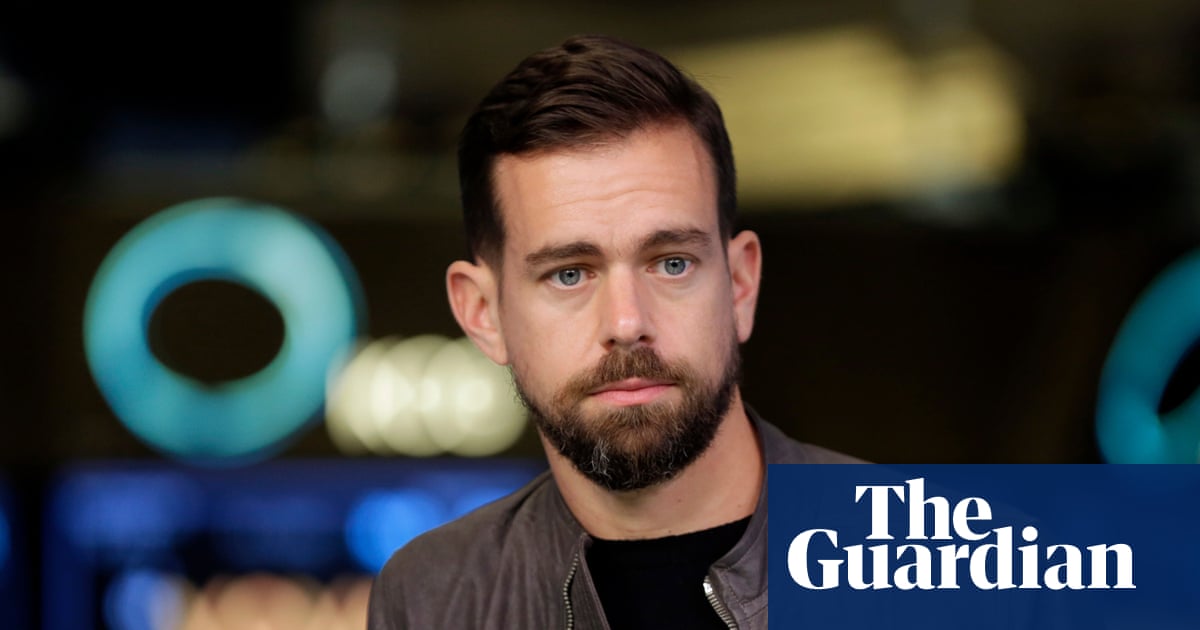
However, this narrative faces considerable pushback from current and former Block employees across various departments, including engineering and product. These workers, speaking anonymously, largely dispute Dorsey's claims regarding the current capabilities of Block's AI tools to replace human roles at such a scale. They describe the AI as reactive rather than proactive, requiring explicit instructions and human oversight, emphasizing that "an employee is more than a series of tasks." Many perceive the layoffs as a strategic "posturing for the market," designed to regain investor confidence after a period of stock decline and to reshape the public perception of Dorsey's leadership.
The situation at Block reflects a wider societal concern about AI's impact on employment. Goldman Sachs, for instance, estimated that increasing AI adoption contributed to 5,000 to 10,000 monthly net job losses in the US last year and projected potential unemployment increases this year. Block's internal shift from encouraging AI use to mandating it over nine months further illustrates the company's aggressive push. This case highlights a critical juncture where corporate ambition to leverage AI for efficiency clashes with the practical limitations and human element of the workforce, prompting a reevaluation of what AI can truly accomplish in the immediate term versus its long-term potential. The implications extend beyond Block, influencing how other companies might frame their AI strategies and manage their human capital in an evolving technological landscape.
Impact Assessment
This event underscores a growing tension between corporate narratives of AI-driven efficiency and the practical realities experienced by employees. It highlights how AI can be leveraged as a strategic justification for workforce restructuring, influencing investor confidence while raising critical questions about the actual readiness and capability of AI to replace complex human roles.
Key Details
- Block CEO Jack Dorsey initiated layoffs affecting approximately 4,000 employees.
- Dorsey cited "gains in AI productivity" and advanced AI tools (e.g., Anthropic’s Opus 4.6, OpenAI’s Codex 5.3) as justification.
- Current and former Block workers dispute that current AI tools can replace human roles at this scale.
- Block's stock price increased following the announcement of AI-fueled workforce reductions.
- Goldman Sachs estimated 5,000-10,000 monthly net job losses in the US last year due to AI adoption.
Optimistic Outlook
Block's aggressive pivot towards an AI-first operational model could streamline processes, foster innovation, and enhance long-term competitiveness by focusing on a highly efficient, technology-augmented workforce. This strategy, if successful, might serve as a blueprint for other companies seeking to leverage advanced AI for significant productivity gains and market repositioning.
Pessimistic Outlook
The substantial layoffs, if not fully supported by AI's current capabilities, risk diminishing institutional knowledge, lowering employee morale, and potentially hindering complex strategic initiatives that require human nuance. A perception of AI as a job-cutting tool rather than an augmentation could also lead to broader societal distrust and resistance to AI adoption.
Get the next signal in your inbox.
One concise weekly briefing with direct source links, fast analysis, and no inbox clutter.
More reporting around this signal.
Related coverage selected to keep the thread going without dropping you into another card wall.