The Complexity of Physical AI: Why Robots Struggle in the Real World
Sonic Intelligence
Building reliable AI systems for robots to perform physical tasks in unstructured environments is extraordinarily difficult due to infinite real-world variability.
Explain Like I'm Five
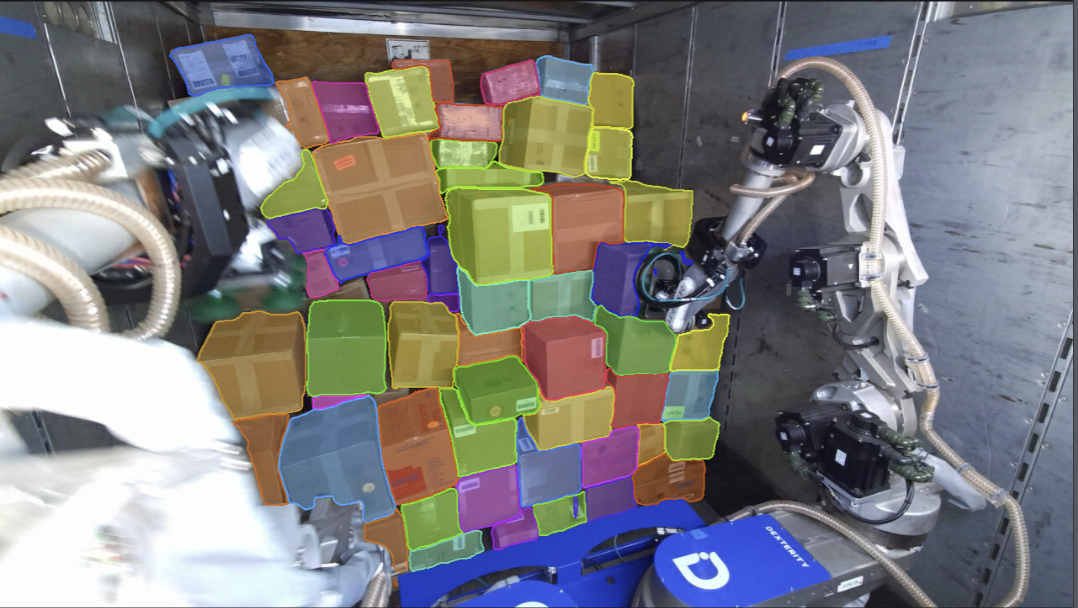
"Imagine teaching a robot to load a truck. It's super hard because boxes are different sizes, the floor might be uneven, and the robot needs to be careful not to break anything. It's like solving many puzzles at once!"
Deep Intelligence Analysis
Impact Assessment
This article highlights the significant challenges in developing physical AI systems that can reliably operate in real-world environments. It emphasizes the need for a different approach to building AI systems that prioritizes safety, interpretability, and modularity.
Key Details
- Physical AI powers robots to do physical tasks in the real world.
- Autonomous driving has absorbed over $100 billion in investment and is still not fully solved.
- A robot needs 99.9995% confidence that every action is safe to run for one month without a safety incident.
- Dexterity uses teams of specialized AI agents coordinated by an orchestrator called Arbiter.
Optimistic Outlook
Dexterity's compositional approach, using specialized AI agents and an orchestrator, offers a promising path towards achieving production-scale Physical AI. This architecture allows for better control, interpretability, and safety in robotic systems.
Pessimistic Outlook
The high failure rate of robotics companies, despite significant investment, underscores the difficulty of bridging the gap between controlled lab environments and real-world production. Achieving the required level of reliability and safety remains a major hurdle.
Get the next signal in your inbox.
One concise weekly briefing with direct source links, fast analysis, and no inbox clutter.
More reporting around this signal.
Related coverage selected to keep the thread going without dropping you into another card wall.