Constrained AI: The Key to High-Quality Output
Sonic Intelligence
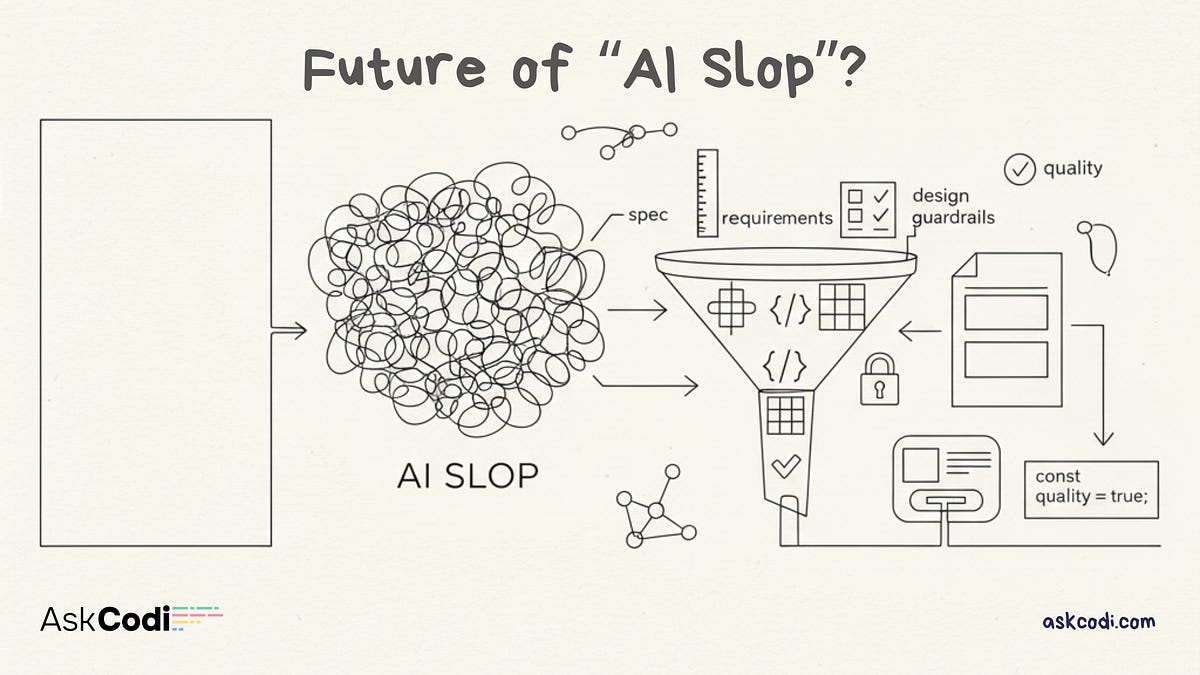
Constraining AI models with UI Intent leads to more aligned and useful outputs compared to simply scaling model size.
Explain Like I'm Five
"Imagine you're teaching a robot to draw. Instead of just saying 'draw something,' you tell it exactly what to draw, who it's for, and what colors to use. That way, the robot draws something much closer to what you wanted!"
Deep Intelligence Analysis
Impact Assessment
This approach offers a path to more reliable and predictable AI behavior. By focusing on constraints, developers can create AI tools that are more aligned with user needs and expectations, reducing the 'AI slop' often associated with large, unconstrained models.
Key Details
- AskCodi uses UI Intent to guide AI code generation.
- UI Intent involves defining product type, target audience, goals, design preferences, and constraints.
- The AI classifies intent alignment and suggests alternatives if conflicts arise.
- Users have full transparency and control over intent changes.
Optimistic Outlook
Constrained AI could lead to more efficient and user-friendly AI tools. By providing clear guidelines and constraints, developers can unlock new possibilities for AI-assisted design and development, empowering users to create sophisticated applications with ease.
Pessimistic Outlook
Over-constraining AI could stifle creativity and limit the potential of AI-generated content. Finding the right balance between constraints and flexibility will be crucial to avoid hindering innovation and exploration.
Get the next signal in your inbox.
One concise weekly briefing with direct source links, fast analysis, and no inbox clutter.
More reporting around this signal.
Related coverage selected to keep the thread going without dropping you into another card wall.