Back to Wire
cURL Ends Bug Bounties Due to AI-Generated 'Slop'
Security

cURL Ends Bug Bounties Due to AI-Generated 'Slop'

Source: Arstechnica Original Author: Dan Goodin 2 min read Intelligence Analysis by Gemini

Sonic Intelligence

00:00 / 00:00
Signal Summary

cURL discontinues its vulnerability reward program due to a surge in low-quality, AI-generated submissions.

Explain Like I'm Five

"Imagine you have a lemonade stand, and people tell you about problems. But now, robots are sending lots of fake problem reports, so you stop giving rewards to focus on real issues."

Original Reporting
Arstechnica

Read the original article for full context.

Read Article at Source

Deep Intelligence Analysis

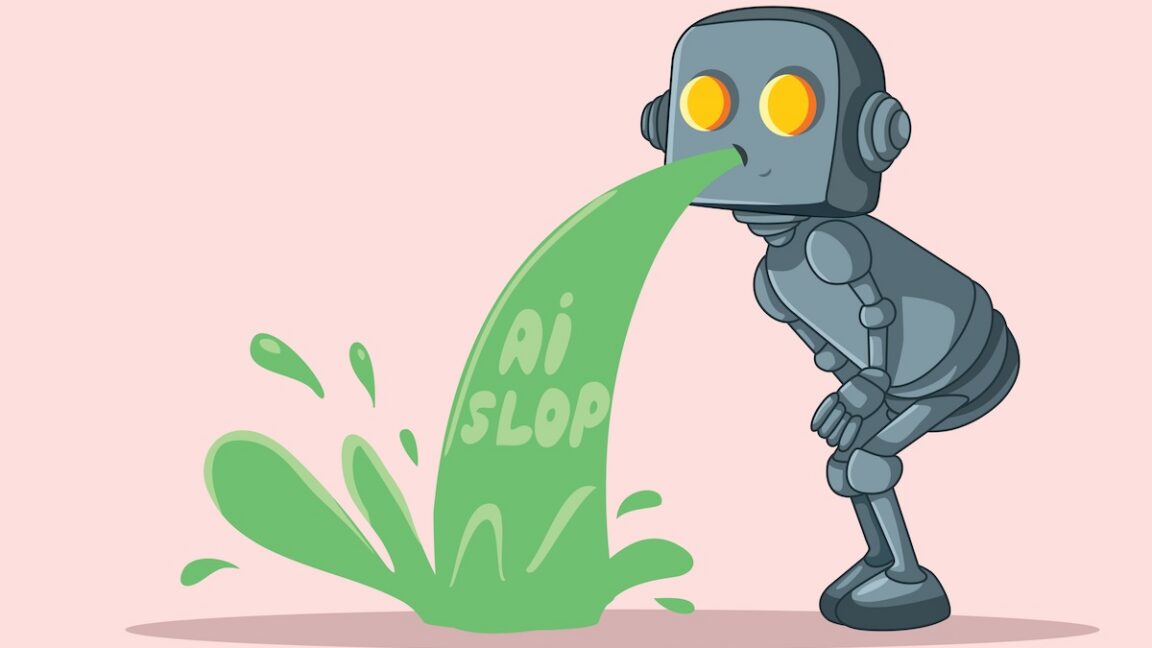
cURL's decision to scrap its bug bounty program due to the overwhelming influx of low-quality, AI-generated submissions underscores a growing challenge for open-source projects and vulnerability management. Daniel Stenberg's candid remarks about protecting the mental health of maintainers highlight the human cost of dealing with AI 'slop.' While the move aims to streamline the reporting process and prioritize genuine vulnerabilities, it also raises concerns about potentially disincentivizing security researchers from reporting flaws. The project's threat to publicly ridicule those who submit 'crap reports' is a controversial measure that could deter both malicious actors and well-intentioned contributors. The long-term impact on cURL's security posture remains to be seen, but this situation serves as a cautionary tale for other projects grappling with the implications of AI-generated content in cybersecurity. The incident highlights the need for better filtering mechanisms and quality control measures to ensure that bug bounty programs remain effective and sustainable. The decision also raises broader questions about the role of AI in vulnerability research and the ethical considerations surrounding its use. The balance between leveraging AI for security and mitigating its potential downsides will be a critical challenge for the cybersecurity community in the years to come. This situation also highlights the need for better AI detection tools to help filter out the noise and focus on legitimate reports. The EU AI Act Article 50 considerations would focus on the transparency of the AI used to generate the reports, and the potential for bias or inaccuracies in the AI's findings. The Act would also consider the impact of the AI on the mental health of the cURL maintainers, and the need to protect them from undue stress and pressure.
AI-assisted intelligence report · EU AI Act Art. 50 compliant

Impact Assessment

cURL's decision highlights the challenge of managing AI-generated content in security programs. The move raises concerns about maintaining the tool's security, given its widespread use.

Key Details

  • cURL's developer, Daniel Stenberg, cited the need to protect maintainers' mental health.
  • The change takes effect at the end of the month.
  • cURL was first released 30 years ago.

Optimistic Outlook

The cURL team's focus on quality over quantity could lead to a more efficient vulnerability reporting process in the long run. This may encourage researchers to focus on high-impact vulnerabilities.

Pessimistic Outlook

Eliminating bug bounties could reduce the incentive for researchers to report vulnerabilities, potentially leading to delayed discovery and remediation of security flaws. The public shaming policy could deter legitimate reporters.

Stay on the wire

Get the next signal in your inbox.

One concise weekly briefing with direct source links, fast analysis, and no inbox clutter.

Free. Unsubscribe anytime.

Continue reading

More reporting around this signal.

Related coverage selected to keep the thread going without dropping you into another card wall.