Data Centers' Hidden Toll: Ecological and Economic Impacts of AI Infrastructure
Sonic Intelligence
AI's data centers demand immense power and water, causing significant ecological and social strain.
Explain Like I'm Five
"Imagine all the smart computer brains that make AI work need huge, noisy buildings called data centers. These buildings use a lot of electricity, like a small city, and drink tons of water to stay cool. Sometimes, they also make dirty air, and these big buildings often get built near neighborhoods where people don't have much money, making them sick. It's like the hidden cost of making AI super smart."
Deep Intelligence Analysis
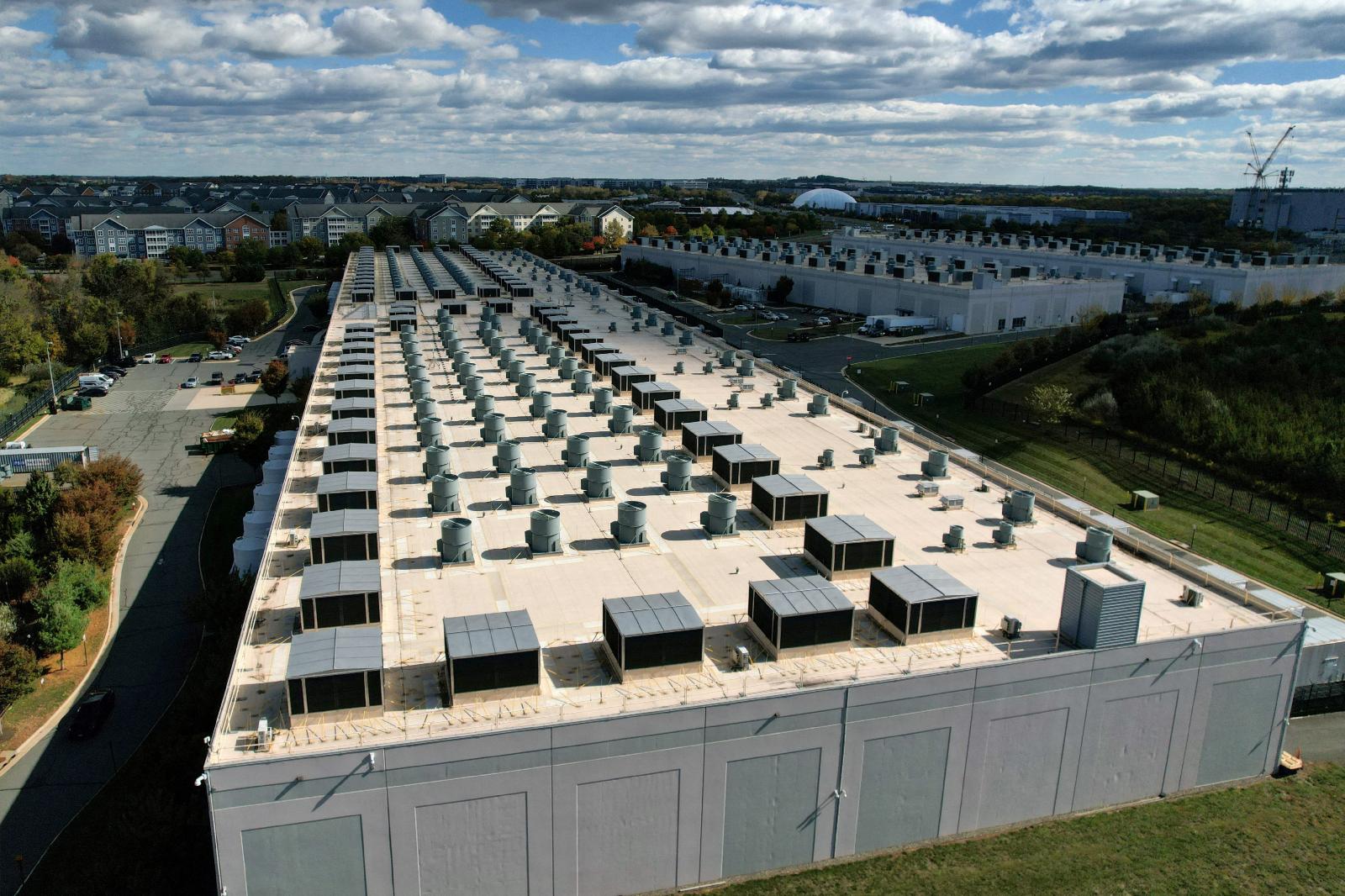
Resource consumption figures are stark: the Pew Research Center reports over 4,000 data centers in the United States, with a third concentrated in Virginia, Texas, and California. In 2024, U.S. data centers consumed an estimated 183 terawatt-hours of electricity, accounting for more than 4% of the nation's total electricity usage. Projections from Goldman Sachs indicate this figure could rise to 8% by 2030, a substantial increase from 3% in 2022. Beyond electricity, data centers require millions of gallons of water daily for cooling systems, further straining local resources.
The environmental and social costs are exemplified by X.Ai, a subsidiary of Elon Musk's SpaceX, and its Grok training computer. To power its Memphis data center, X.Ai initially planned 35 methane-powered turbines, which are significant sources of particulate pollution. After securing permits for 15 in Memphis, the company reportedly moved additional turbines to Southaven, Mississippi, where residents now contend with constant turbine noise. The NAACP, through the Southern Environmental Law Center, has sued X.Ai, citing health concerns and lost workdays due to air pollution, launching a "Stop Dirty Data Centers" campaign. This case underscores how data centers can impose severe environmental justice issues on vulnerable populations.
Experts like Amanda Garcia of the Southern Environmental Law Center and Ann Bennett of the Sierra Club Virginia Chapter describe data centers as the "underbelly of the AI industry," often attracted to regions by cheap power and tax incentives, such as sales tax exemptions on equipment in Virginia. The use of diesel generators for backup power further contributes to soot and noise pollution. As the AI industry continues its rapid growth, the need for sustainable practices, transparent resource reporting, and equitable siting policies becomes increasingly urgent to mitigate these escalating environmental and social costs.
[EU AI Act Art. 50 Compliant]
Impact Assessment
The rapid expansion of AI is driving an unsustainable surge in data center construction, placing immense pressure on energy grids, water resources, and local communities, particularly low-income areas, raising critical environmental justice concerns.
Key Details
- Over 4,000 data centers in the U.S., with a third in Virginia, Texas, and California.
- U.S. data centers consumed 183 terawatt-hours of electricity in 2024 (over 4% of total).
- Goldman Sachs estimates data centers will use 8% of American power by 2030 (up from 3% in 2022).
- X.Ai's Grok training computer in Memphis used methane-powered turbines, causing air pollution.
- Data centers use millions of gallons of water daily for cooling.
Optimistic Outlook
Increased awareness of data center impacts could spur innovation in green energy solutions, more efficient cooling technologies, and responsible siting policies. Public pressure and advocacy groups may drive companies towards sustainable practices and greater transparency regarding resource consumption.
Pessimistic Outlook
Without stringent regulation and industry commitment, the escalating demands of AI could lead to severe environmental degradation, exacerbate climate change, and disproportionately harm vulnerable communities through pollution and resource depletion. The economic benefits of data centers may not outweigh the long-term ecological and social costs.
Get the next signal in your inbox.
One concise weekly briefing with direct source links, fast analysis, and no inbox clutter.
More reporting around this signal.
Related coverage selected to keep the thread going without dropping you into another card wall.