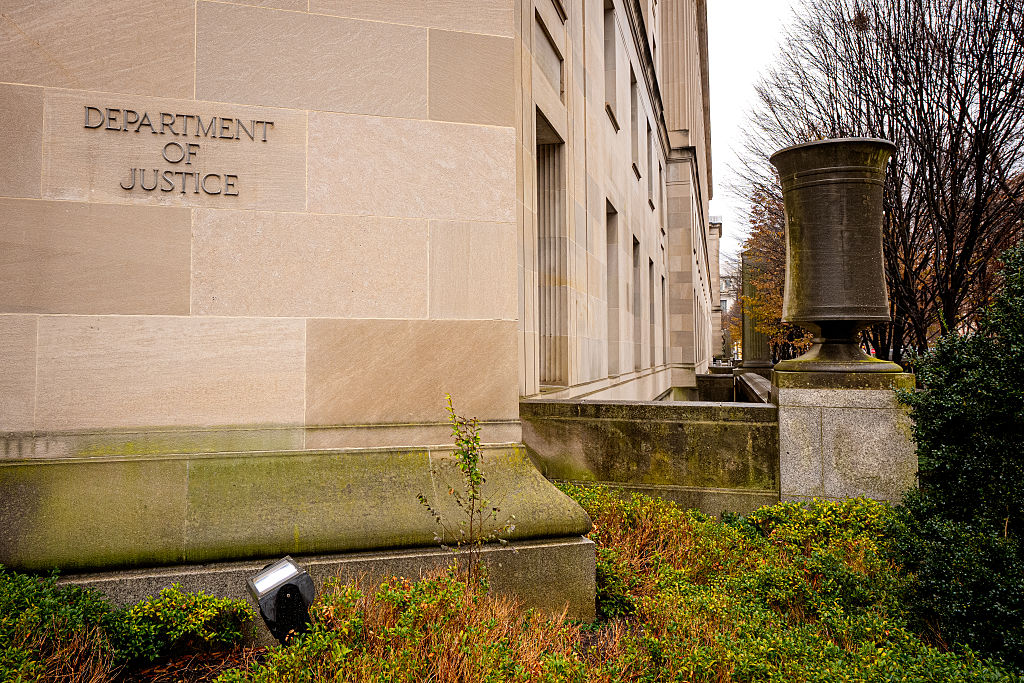
DOJ Significantly Expands AI Use for Legal Work, Crime Prediction, and Surveillance
Sonic Intelligence
The DOJ has dramatically increased its use of AI across various functions, including crime prediction, surveillance, and legal work.
Explain Like I'm Five
"Imagine the police using robots to help them catch bad guys. These robots use computers to guess who might do something wrong. But sometimes, these robots can be wrong and unfair, so we need to be careful about how they're used."
Deep Intelligence Analysis
Transparency: This analysis was composed by an AI, examining the provided news article. While aiming for objectivity, potential biases in the original source may be reflected.
Impact Assessment
The DOJ's rapid adoption of AI raises concerns about potential biases, privacy violations, and the impact on individual rights. The use of predictive AI in the criminal justice system is particularly controversial.
Key Details
- The DOJ reported 315 AI use cases in 2025, a 31% increase from the previous year.
- 114 of these cases were deemed "high-impact," potentially affecting rights and safety.
- The Federal Bureau of Prisons uses AI to predict inmate misconduct and recidivism rates.
- The DOJ's Office of Justice uses agentic AI for a "prisoner assessment tool targeting estimated risk and needs" (PATTERN).
Optimistic Outlook
AI could potentially improve efficiency and accuracy in some areas of the legal system, such as litigation support and resource allocation. It may also help identify patterns and trends that could lead to more effective crime prevention strategies.
Pessimistic Outlook
The use of AI in crime prediction and surveillance could lead to discriminatory outcomes and erode civil liberties. Biases in algorithms could perpetuate existing inequalities in the justice system, disproportionately affecting marginalized communities.
Get the next signal in your inbox.
One concise weekly briefing with direct source links, fast analysis, and no inbox clutter.
More reporting around this signal.
Related coverage selected to keep the thread going without dropping you into another card wall.



