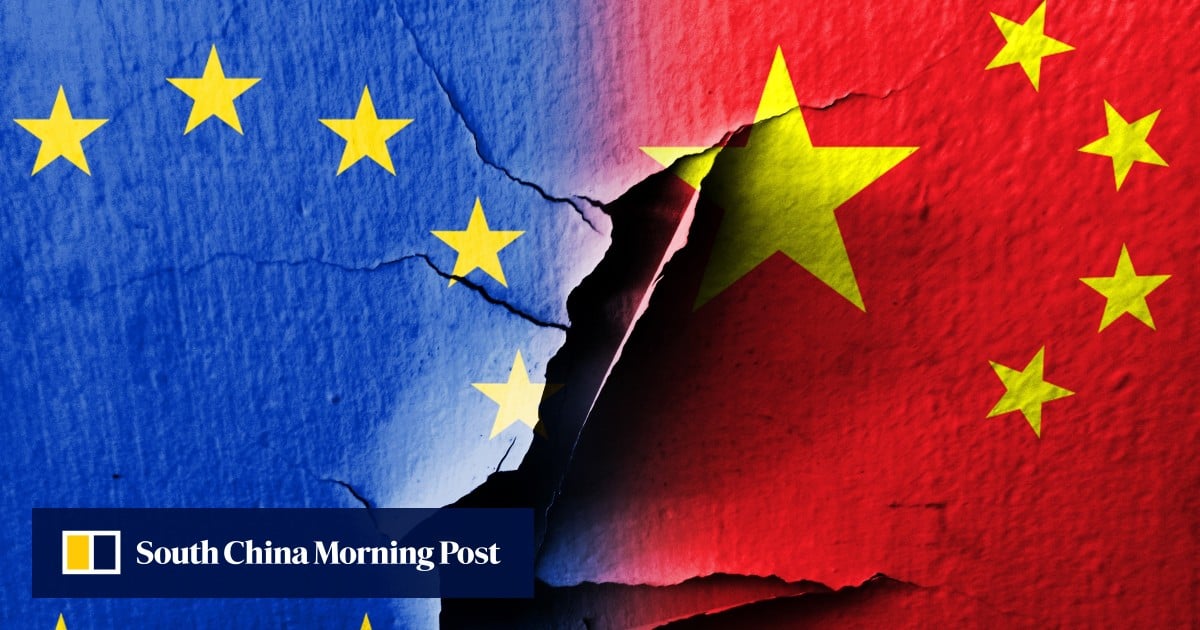
EU Removes AI, Chips, and Quantum from Industrial Plan Targeting China
Sonic Intelligence
The Gist
The EU has removed AI, chips, and quantum technologies from its Industrial Accelerator Act aimed at countering China's dominance.
Explain Like I'm Five
"The EU is trying to make more things in Europe instead of buying them from China, but they changed their mind about including computers, robots, and some other cool stuff."
Deep Intelligence Analysis
The removal of these key technologies raises concerns about the EU's ability to compete with China in critical areas. AI, chips, and quantum computing are considered essential for future economic growth and technological advancement. Excluding these sectors from the IAA could weaken the EU's position in the global market. The decision to delay the exclusion of non-EU-based producers from government contracts and funds further undermines the IAA's effectiveness.
Moving forward, it is crucial for the EU to develop a comprehensive strategy for competing with China in these key technology sectors. This strategy should include investments in research and development, support for domestic industries, and measures to promote innovation and competitiveness. The EU AI Act Article 50 requires that AI systems developed and deployed in the EU are competitive and contribute to the EU's economic growth. This includes promoting the development of AI technologies that can be used in a variety of industries, as well as ensuring that EU companies have access to the data and resources they need to compete in the global AI market.
_Context: This intelligence report was compiled by the DailyAIWire Strategy Engine. Verified for Art. 50 Compliance._
Impact Assessment
The removal of key technologies from the IAA signals a potential shift in the EU's industrial strategy. It raises questions about the EU's approach to competing with China in critical sectors.
Read Full Story on ScmpKey Details
- ● Biotechnology and robotics were also removed from the Industrial Accelerator Act (IAA).
- ● The IAA aims to reduce EU dependence on China in strategic sectors.
- ● The IAA mandates local content rules for electric vehicles and solar for public procurement.
Optimistic Outlook
Focusing on fewer sectors may allow the EU to concentrate resources and develop more effective strategies. The inclusion of countries aligned with EU economic security policies could strengthen the bloc's position.
Pessimistic Outlook
Excluding AI, chips, and quantum could weaken the EU's ability to compete with China in these crucial areas. Delaying the exclusion of non-EU producers from government contracts could undermine the IAA's effectiveness.
The Signal, Not
the Noise|
Get the week's top 1% of AI intelligence synthesized into a 5-minute read. Join 25,000+ AI leaders.
Unsubscribe anytime. No spam, ever.