Google and SpaceX Explore Orbital Data Centers for AI Compute
Sonic Intelligence
Google and SpaceX are discussing launching data centers into orbit.
Explain Like I'm Five
"Imagine your computer needs a lot of power to do smart things, like talking to you. Usually, these big computers are on Earth. But now, Google and SpaceX are thinking about putting some of these big computers up in space, like satellites! This could make them faster and cheaper in the future, but it's also very expensive to send them up there right now."
Deep Intelligence Analysis
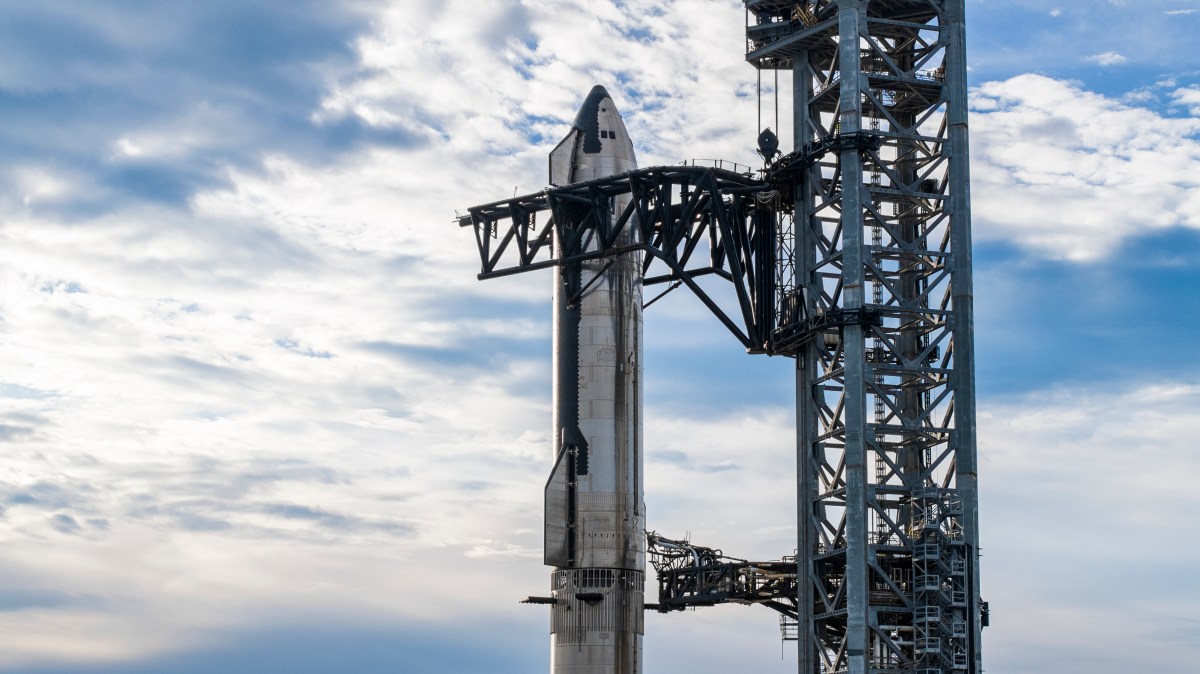
SpaceX, valued at an estimated $1.75 trillion ahead of its IPO, is actively positioning orbital data centers as a cost-effective solution for future AI compute needs. This vision is supported by recent collaborations, such as the deal with Anthropic to utilize xAI's data center resources, with an eye toward future orbital synergies. Google's own 'Project Suncatcher,' involving prototype satellite launches by 2027, further indicates a long-term commitment to space-based infrastructure. While proponents, including Elon Musk, highlight potential operational cost savings and freedom from local opposition, current analyses suggest that satellite construction and launch expenses still render orbital solutions more costly than terrestrial ones. Google's prior $900 million investment in SpaceX in 2015 underscores a foundational relationship that could facilitate this ambitious undertaking.
The forward implications are substantial. Successful deployment of orbital data centers could provide unprecedented geographical flexibility, reduced latency for global AI applications, and enhanced resilience against natural disasters or geopolitical disruptions. However, the technical hurdles, including power management, cooling in vacuum, and data transmission, are immense. Furthermore, the environmental impact of increased rocket launches and the proliferation of space debris present critical long-term challenges that require international cooperation and advanced mitigation strategies. This venture could either revolutionize AI infrastructure or become a prohibitively expensive niche, depending on technological advancements and economic scaling.
Visual Intelligence
flowchart LR
A["AI Compute Demand"] --> B["Terrestrial Limits"]
B --> C["Orbital Data Centers"]
C --> D["Google SpaceX Talks"]
D --> E["Project Suncatcher"]
E --> F["Future AI Infrastructure"]
Auto-generated diagram · AI-interpreted flow
Impact Assessment
This potential collaboration signifies a major leap towards space-based computing infrastructure, aiming to address the escalating demand for AI compute. It could redefine data center economics and location strategies, mitigating terrestrial constraints and offering unique advantages for latency-sensitive applications.
Key Details
- Google and SpaceX are in talks to launch orbital data centers.
- SpaceX is preparing for a $1.75 trillion IPO this year.
- SpaceX recently partnered with Anthropic to use xAI's data center resources.
- Google plans to launch prototype satellites by 2027 under 'Project Suncatcher'.
- Google invested $900 million in SpaceX in 2015.
Optimistic Outlook
Orbital data centers could offer significant cost advantages for AI compute in the long term, avoiding terrestrial land acquisition and regulatory hurdles. This initiative could accelerate AI development by providing novel, potentially lower-latency compute resources, fostering breakthroughs in space-based applications and global connectivity.
Pessimistic Outlook
Despite potential benefits, current orbital data centers face substantial construction and launch costs, making them more expensive than terrestrial alternatives. The environmental impact of increased satellite launches and space debris accumulation presents significant long-term challenges, requiring robust international governance.
Get the next signal in your inbox.
One concise weekly briefing with direct source links, fast analysis, and no inbox clutter.
More reporting around this signal.
Related coverage selected to keep the thread going without dropping you into another card wall.