HeLa-Mem Introduces Bio-Inspired Associative Memory for LLM Agents
Sonic Intelligence
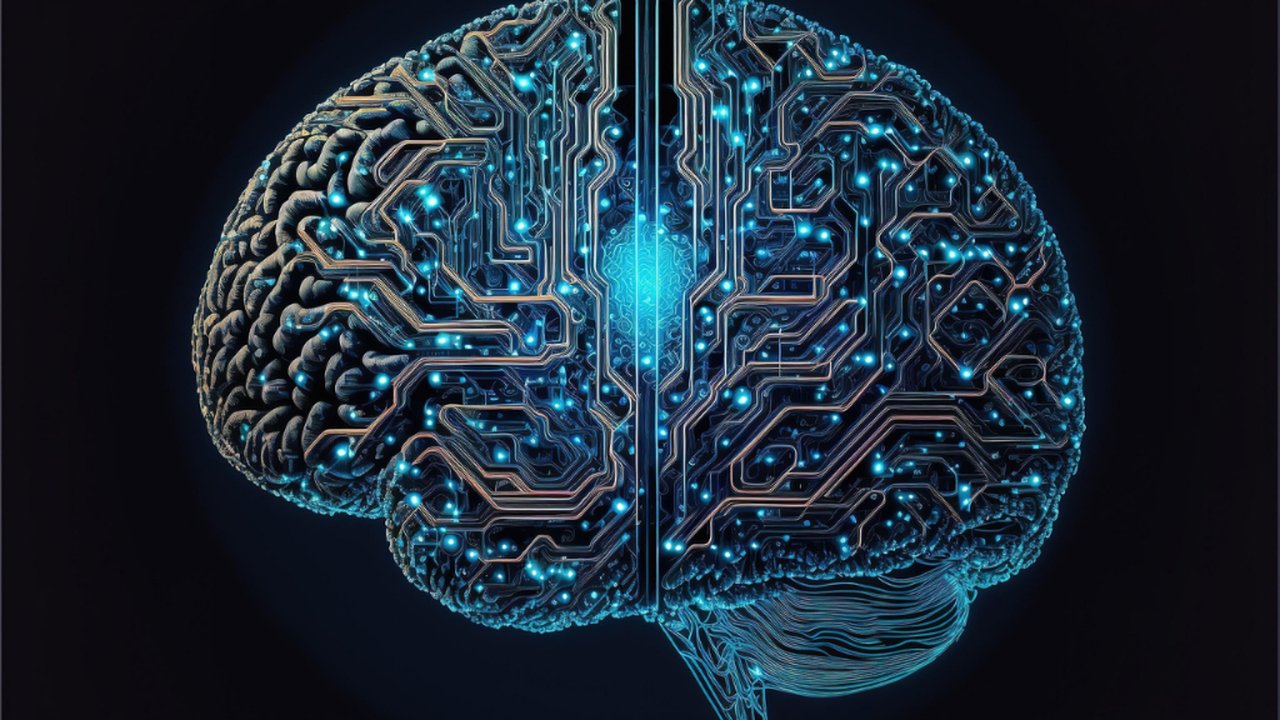
HeLa-Mem enhances LLM agents with bio-inspired associative memory and Hebbian learning.
Explain Like I'm Five
"Imagine an AI brain that remembers things like a human, where related ideas stick together stronger the more it thinks about them, instead of just forgetting old stuff when it learns new things."
Deep Intelligence Analysis
Visual Intelligence
flowchart LR
  A["LLM Agent"] --> B["Episodic Memory Graph"]
  B -- "Co-activation" --> B
  B --> C["Reflective Agent"]
  C --> D["Hebbian Distillation"]
  D --> E["Semantic Memory Store"]
  E --> A
Auto-generated diagram · AI-interpreted flow
Impact Assessment
Long-term memory remains a critical bottleneck for LLM agents, limiting their coherence and effectiveness over extended interactions. HeLa-Mem's bio-inspired approach directly addresses this by introducing associative memory, potentially enabling more robust and context-aware agents with reduced computational overhead.
Key Details
- HeLa-Mem is a bio-inspired memory architecture for Large Language Model (LLM) agents.
- It models memory as a dynamic graph with Hebbian learning dynamics.
- Employs a dual-level organization: an episodic memory graph and a semantic memory store.
- The semantic store is populated via Hebbian Distillation by a Reflective Agent.
- Experiments on LoCoMo demonstrated superior performance across four question categories using fewer context tokens.
Optimistic Outlook
This memory architecture could significantly advance LLM agent capabilities, allowing for more coherent, long-term interactions and complex reasoning. By mimicking biological memory, it promises agents that can learn and adapt more effectively, leading to breakthroughs in persistent AI applications.
Pessimistic Outlook
The complexity of dynamic, bio-inspired memory graphs may introduce new challenges in terms of scalability, interpretability, and debugging. Ensuring the stability and reliability of such systems for real-world, long-duration tasks will require rigorous validation.
Get the next signal in your inbox.
One concise weekly briefing with direct source links, fast analysis, and no inbox clutter.
More reporting around this signal.
Related coverage selected to keep the thread going without dropping you into another card wall.