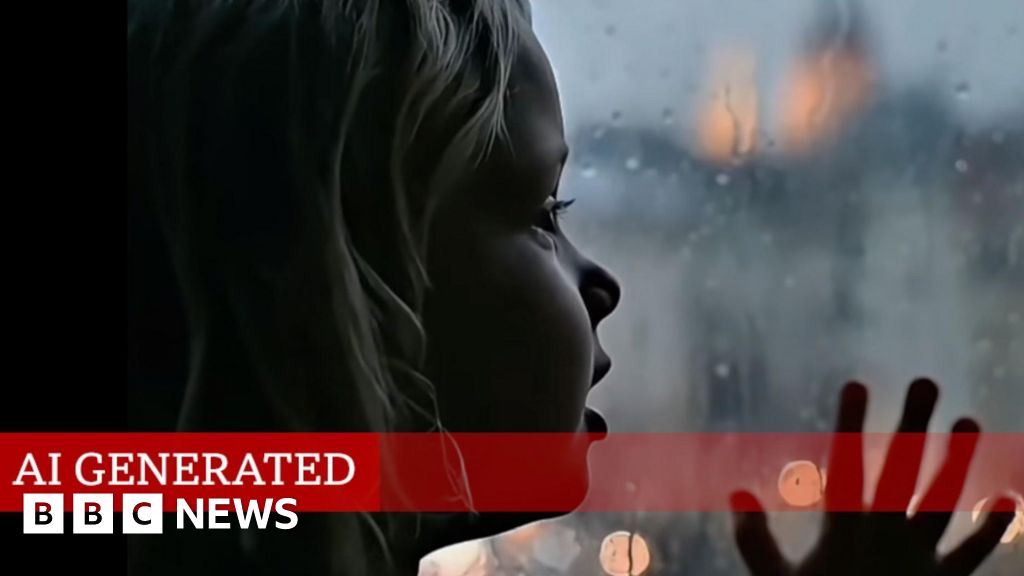
Hungarian Election Rocked by AI Deepfakes in Political Campaign
Sonic Intelligence
The Gist
AI-generated deepfake videos are being deployed in Hungary's election, fueling political rhetoric.
Explain Like I'm Five
"Imagine someone uses a super clever computer program to make fake videos that look real, showing politicians saying or doing things they never did. In Hungary, some politicians are using these fake videos to try and scare people about their opponents before an election. It's like a very tricky lie, but so far, people seem to be smart enough not to fall for it too much."
Deep Intelligence Analysis
This incident provides critical context for the global challenge of maintaining election integrity in the age of advanced AI. The use of deepfakes, even when disclosed as AI-generated, blurs the lines between reality and fiction, making it increasingly difficult for citizens to discern truth from propaganda. Another AI-generated video, a fake phone call between European Commission President Ursula von der Leyen and Magyar, garnered millions of views, demonstrating the viral potential of such content. The fact that these tactics are being employed by a ruling party underscores the urgent need for robust regulatory frameworks and technological countermeasures to protect democratic processes from malicious AI applications.
Forward-looking implications suggest a turbulent future for political communication. While the immediate impact on Hungarian voter sentiment appears limited, with Magyar reportedly leading in polls, the precedent set is alarming. The continuous improvement of deepfake technology, coupled with the ease of dissemination on social media, means that future campaigns could face even more convincing and pervasive AI-generated disinformation. This necessitates a multi-faceted response, including enhanced media literacy, rapid fact-checking capabilities, and international cooperation on AI governance to prevent the erosion of public trust and the destabilization of democratic institutions globally.
_Context: This intelligence report was compiled by the DailyAIWire Strategy Engine. Verified for Art. 50 Compliance._
Impact Assessment
The deployment of AI-generated deepfakes in a national election represents a critical escalation in political disinformation tactics. This case highlights the immediate threat AI poses to democratic processes, demonstrating how easily manipulated media can be used to spread unsubstantiated claims and incite fear, even if its ultimate impact on voter behavior remains debatable.
Read Full Story on BBC NewsKey Details
- ● AI-generated videos were used by Hungary's Fidesz party in the April 2024 election campaign.
- ● One video depicted a fake soldier's execution, targeting rival Péter Magyar.
- ● Another AI video, showing a fake phone call, garnered over 3.7 million views.
- ● Fidesz disclosed one video was AI-generated, while a pro-Fidesz group did not for another.
- ● Despite the deepfake campaign, Péter Magyar is reportedly leading in most opinion polls.
Optimistic Outlook
The limited impact of these deepfakes on voter polls suggests a growing public awareness and resilience against AI-generated misinformation. This could drive the development of more sophisticated detection tools and media literacy initiatives, ultimately strengthening democratic safeguards against advanced disinformation campaigns.
Pessimistic Outlook
The use of AI deepfakes in elections sets a dangerous precedent, normalizing the deployment of highly deceptive content in political discourse. Even if current campaigns are ineffective, the technology will improve, making detection harder and potentially eroding public trust in all media, leading to increased political instability and polarization.

The Signal, Not
the Noise|
Join AI leaders weekly.
Unsubscribe anytime. No spam, ever.
Generated Related Signals

Federal AI Rush Echoes Past Tech Traps: Beware the 'Free Lunch'
Federal AI adoption risks repeating past tech procurement pitfalls.

AI Agents: The Unresolved Liability Crisis Threatening Enterprise Adoption
Unclear liability for AI agents automating business decisions poses significant enterprise risk.

Microsoft's Copilot Terms Warn 'For Entertainment Only,' Citing Mistakes
Microsoft's Copilot terms advise users against relying on its output for critical advice.

STORM Foundation Model Integrates Spatial Omics and Histology for Precision Medicine
STORM model integrates spatial transcriptomics and histology for advanced biomedical insights.
Graph Theory Explains LLM Hallucinations Through Path Reuse and Compression
Reasoning hallucinations in LLMs stem from path reuse and compression.

Optimizing LLM Training: Float32 Precision vs. Mixed Precision
Technical deep dive into LLM training precision impacts.