Man Arrested for AI-Generated Wolf Image Misleading South Korean Authorities
Sonic Intelligence
South Korean police arrested a man for creating an AI image that misled a wolf search.
Explain Like I'm Five
"Someone made a fake picture of a lost wolf using a computer program, and it tricked the police and city into looking in the wrong place. Now that person is in big trouble because it caused problems for everyone trying to find the real wolf."
Deep Intelligence Analysis
Authorities identified the suspect by reviewing security camera footage and his AI program usage records, indicating an evolving capability in digital forensics to trace the origins of synthetic content. The charges of disrupting government work by deception, carrying penalties up to five years in prison or a significant fine, establish a legal precedent for accountability in the misuse of generative AI. This case highlights the tension between the accessibility of powerful AI tools and the potential for their casual or malicious deployment to cause tangible harm, forcing a re-evaluation of digital responsibility.
This development carries significant implications for AI governance, digital literacy, and the future of public trust in information. As generative AI becomes more sophisticated and ubiquitous, the challenge of distinguishing authentic from synthetic content will intensify, necessitating robust detection technologies, clear legal frameworks, and public education campaigns. The incident serves as a stark reminder that the societal integration of AI requires not only technological advancement but also a parallel evolution in regulatory oversight and ethical guidelines to mitigate risks to public order and safety.
Impact Assessment
This incident highlights the immediate real-world consequences of AI-generated misinformation, demonstrating how easily synthetic media can disrupt public safety operations and lead to legal repercussions. It underscores the urgent need for digital provenance and accountability in the age of generative AI.
Key Details
- A 40-year-old man was arrested for disrupting government work by deception.
- The offense carries up to 5 years in prison or a 10 million Korean won ($6,700) fine.
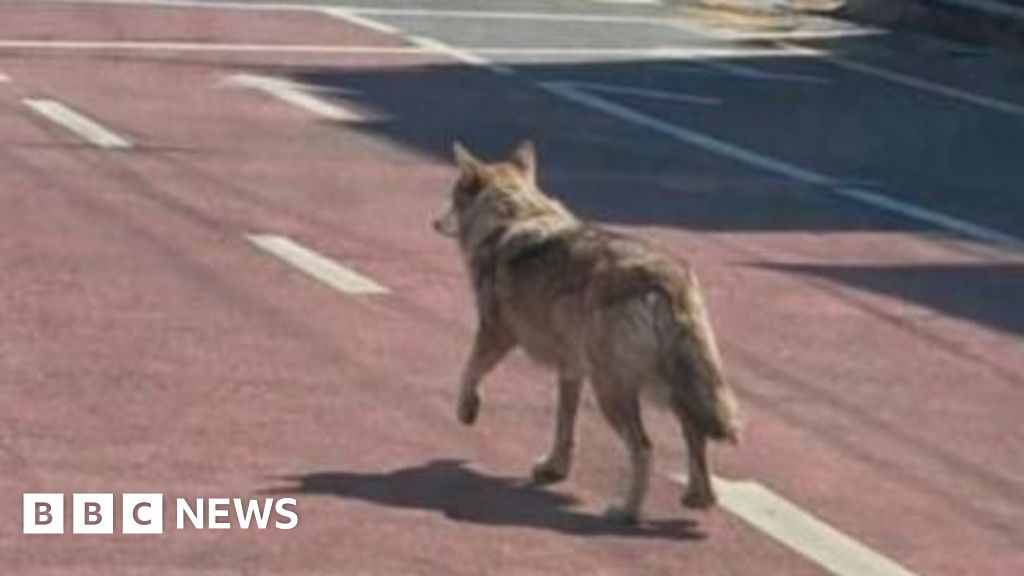
- An AI-generated image of a runaway wolf was circulated hours after its escape on April 8.
- Daejeon city issued an emergency text warning residents based on the fake image.
- The wolf, Neukgu, was caught nine days after its escape near an expressway.
Optimistic Outlook
The swift arrest demonstrates that authorities are developing capabilities to trace and prosecute misuse of AI, potentially deterring future malicious acts. This case could also spur public awareness campaigns on identifying AI-generated content, fostering a more discerning digital citizenry.
Pessimistic Outlook
The ease with which a single AI-generated image caused significant disruption and resource misallocation suggests a vulnerability to widespread misinformation campaigns. Without robust detection and prevention mechanisms, such incidents could escalate, eroding public trust in official communications and emergency responses.
Get the next signal in your inbox.
One concise weekly briefing with direct source links, fast analysis, and no inbox clutter.
More reporting around this signal.
Related coverage selected to keep the thread going without dropping you into another card wall.