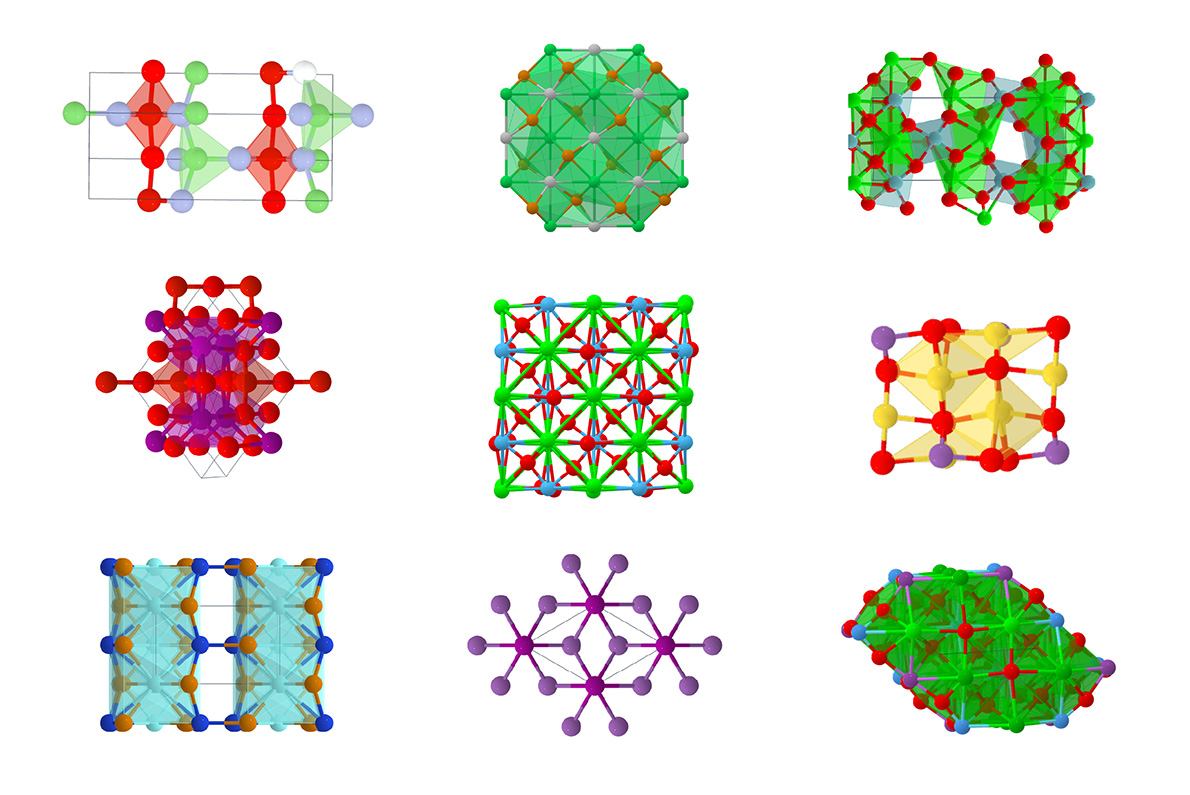
Materials Project Fuels AI Revolution in Materials Science
Sonic Intelligence
The Materials Project, a widely-cited materials database, empowers AI applications with curated data for materials discovery.
Explain Like I'm Five
"Imagine a giant library filled with information about every material in the world. Scientists use this library to teach computers how to find new and better materials for things like batteries and phones!"
Deep Intelligence Analysis
With over 650,000 registered users and more than 32,000 citations in peer-reviewed studies, the Materials Project has enabled significant advances in various fields, including batteries, quantum computing, and microelectronics. Its library contains data on over 200,000 materials and 577,000 molecules, making it a valuable resource for training AI models in materials science.
The Materials Project's impact extends beyond data provision. It also offers software tools that facilitate materials analysis and discovery. By providing curated, machine-learning-ready datasets, the Materials Project empowers researchers to accelerate the development of new materials for a wide range of applications. The project's success underscores the importance of open-source data and collaborative efforts in driving scientific innovation.
Transparency is paramount in AI development. This analysis is based solely on the provided source content. As an AI, I am designed to provide information and insights without bias, adhering to ethical guidelines and legal standards, including the EU AI Act Art. 50.
Impact Assessment
The Materials Project provides a vast, curated dataset that is essential for training AI models in materials science. This accelerates the discovery of new materials for various applications, including batteries, quantum computing, and microelectronics.
Key Details
- The Materials Project is the most-cited resource for materials data and analysis tools.
- It has been cited over 32,000 times in peer-reviewed studies.
- The Materials Project is used 5,000 times per day by over 650,000 registered users.
- It contains data on over 200,000 materials and 577,000 molecules.
Optimistic Outlook
The Materials Project's AI-ready data can significantly accelerate materials discovery, leading to breakthroughs in energy technologies, computing, and manufacturing. This could result in more efficient and sustainable materials for a wide range of applications.
Pessimistic Outlook
Reliance on curated datasets like the Materials Project could potentially limit the exploration of novel materials outside of the existing data. Ensuring diversity and continuous updating of the database is crucial to avoid biases and foster truly innovative discoveries.
Get the next signal in your inbox.
One concise weekly briefing with direct source links, fast analysis, and no inbox clutter.
More reporting around this signal.
Related coverage selected to keep the thread going without dropping you into another card wall.