Meta Explores Space-Based Solar to Power AI Data Centers
Sonic Intelligence
Meta plans to use space-based solar power and ultra-long-duration storage for its AI data centers.
Explain Like I'm Five
"Imagine a giant solar panel floating high above Earth where the sun always shines. Meta wants to use these space panels to catch sunlight and send it down to Earth like a special light beam to power its super-smart computers, even at night! They also want giant batteries that can hold power for a very long time."
Deep Intelligence Analysis
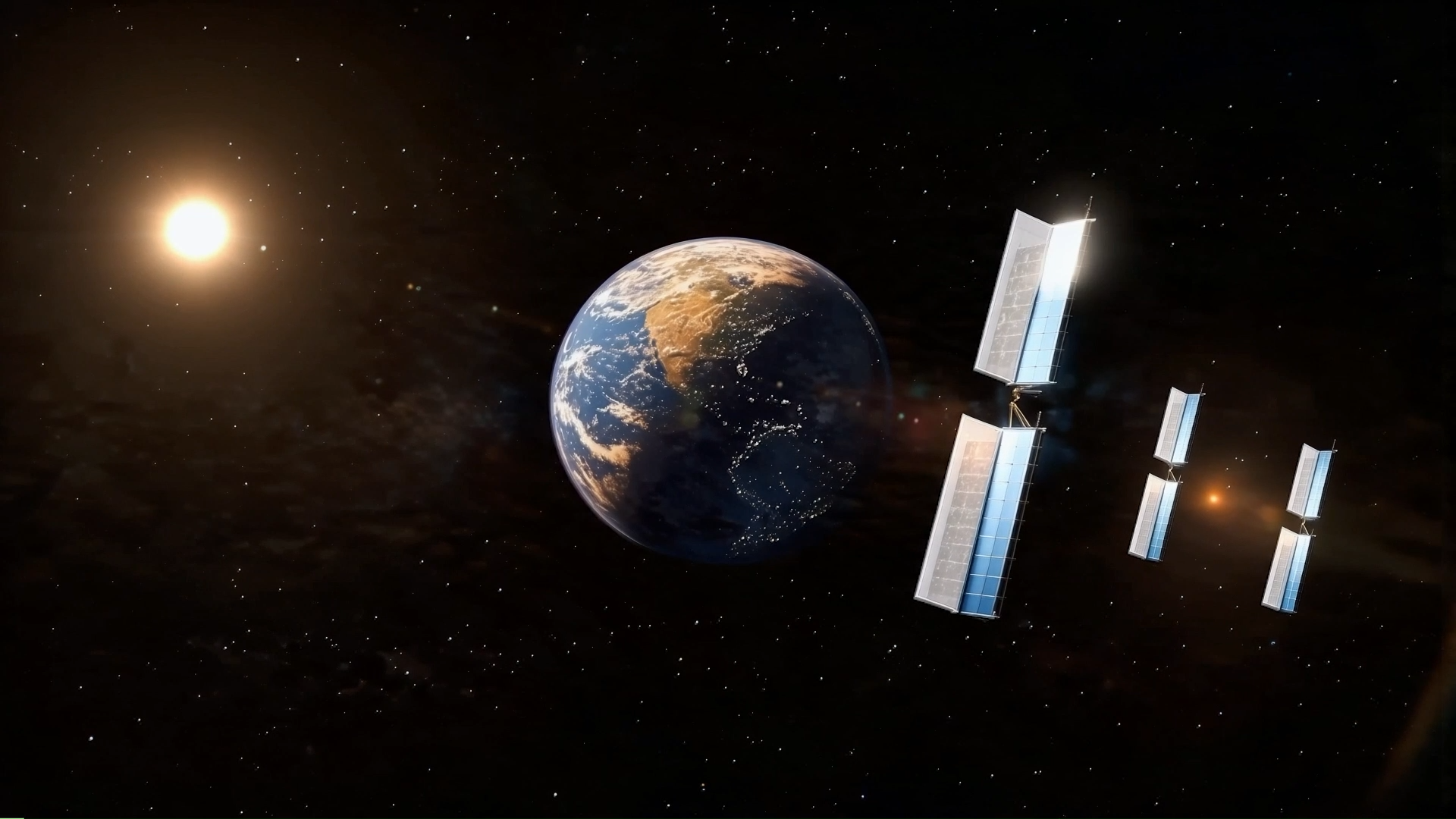
This move directly confronts the fundamental challenge of 24/7 clean power delivery at scale. Meta's reservation of 1 Gigawatt of orbital solar capacity and 100 Gigawatt-hours of storage underscores the magnitude of the problem and the ambition of the proposed solution. By planning to deploy satellites 22,000 miles above Earth to beam near-infrared light to existing ground infrastructure, Meta is attempting to validate a concept that has existed for decades but lacked commercial viability. The integration with current solar farms, allowing them to operate around the clock, represents a crucial aspect of the proposed scaling strategy, aiming to leverage existing grid connections.
The success of the planned 2028 orbital demonstration and subsequent commercial delivery by 2030 will be a critical test for the entire space-based solar power industry. If proven viable, this technology could fundamentally reshape the energy landscape for compute-intensive industries, offering a truly continuous, carbon-free power source. However, the technical complexities, launch costs, and regulatory frameworks for orbital energy transmission remain substantial hurdles. Meta's investment highlights the urgency of the AI energy crisis and positions the company at the forefront of exploring radical solutions, potentially setting a precedent for how future AI infrastructure is powered globally.
Visual Intelligence
flowchart LR
    A[Space Satellites] --> B[Harvest Solar]
    B --> C[Beam Near-Infrared]
    C --> D[Earth Receivers]
    D --> E[Convert Light]
    E --> F[Feed Grid]
    F --> G[Power AI Data Centers]
Auto-generated diagram · AI-interpreted flow
Impact Assessment
This initiative addresses the escalating energy demands of AI infrastructure by proposing a continuous, space-based renewable power source. If successful, it could offer a scalable solution to grid strain and intermittency issues inherent in terrestrial renewables, fundamentally altering how large-scale AI operations are powered.
Key Details
- Meta reserved 1 Gigawatt of orbital solar energy capacity from Overview Energy.
- Meta secured 100 Gigawatt-hours of ultra-long-duration storage from Noon Energy.
- Solar-collecting satellites will orbit 22,000 miles above Earth in geosynchronous orbit.
- First orbital demonstration planned for 2028, with commercial delivery potentially by 2030.
- The system uses low-intensity near-infrared light beamed to existing Earth-based solar farms.
Optimistic Outlook
Space-based solar power offers a continuous, 24/7 energy supply, overcoming the intermittency of ground-based renewables. This could provide a stable, clean power source for energy-intensive AI, accelerating sustainable growth and reducing reliance on fossil fuels. Successful deployment would validate a decades-old concept, opening new avenues for global energy security.
Pessimistic Outlook
The commercial viability and scalability of space-based solar power remain unproven at this scale, with significant technical and financial hurdles. Delays or failures in the 2028 demonstration could lead to substantial investment losses and further strain on grids if AI energy demands continue to outpace conventional renewable solutions. Regulatory complexities for orbital energy transmission also pose risks.
Get the next signal in your inbox.
One concise weekly briefing with direct source links, fast analysis, and no inbox clutter.
More reporting around this signal.
Related coverage selected to keep the thread going without dropping you into another card wall.