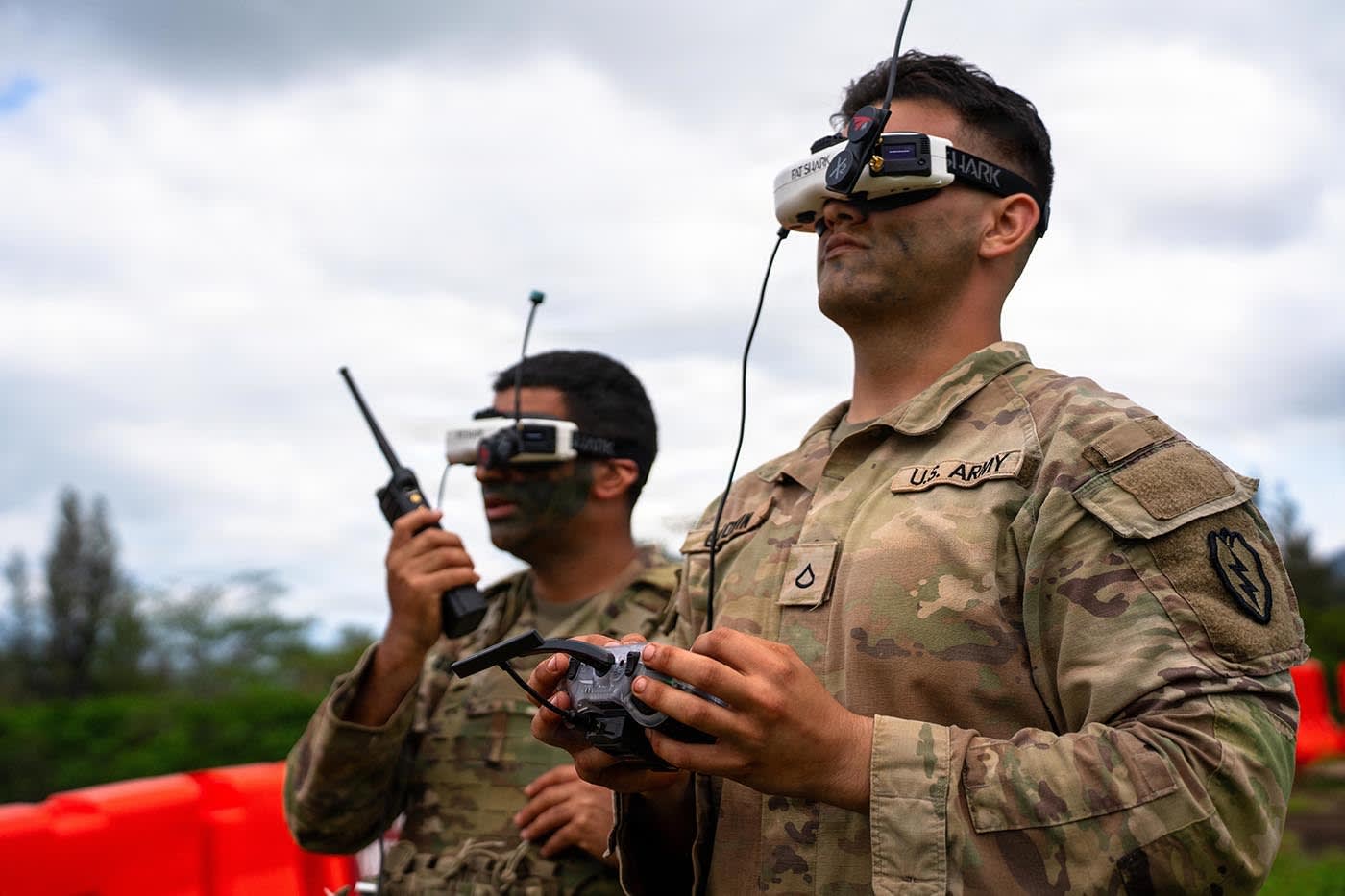
Military AI Adoption Surpasses Global Cooperation Efforts
Sonic Intelligence
Military AI adoption is accelerating globally, while international cooperation on responsible use is lagging, particularly with reduced US and China engagement.
Explain Like I'm Five
"Imagine countries building robot soldiers, but not agreeing on rules for how to use them. Some countries are trying to talk about it, but the biggest ones aren't listening as much."
Deep Intelligence Analysis
Transparency Footer: As an AI, I am committed to transparency. My analysis is based on the provided source content. I have no personal opinions or beliefs, and my responses are generated without bias. I strive to provide accurate and objective information to the best of my ability.
Impact Assessment
The growing gap between AI adoption and international dialogue raises concerns about the potential for unchecked military AI development. Reduced engagement from major powers could hinder the establishment of global norms and guardrails.
Key Details
- Only 35 nations endorsed the REAIM "Pathways to Action" document in 2026, down from 60 in previous years.
- The United States and China had smaller delegations at the REAIM summit in Spain.
- REAIM outcome documents highlight critical concerns and common-sense commitments for military AI use.
- Traditional multilateral avenues for discussing global governance of AI military applications are progressing slowly.
Optimistic Outlook
Middle powers may step up to lead the conversation on responsible military AI use. Increased awareness of risks could spur greater international cooperation in the long run.
Pessimistic Outlook
Lack of international cooperation could lead to an AI arms race and increased risk of unintended consequences. Uncertainty in global politics could further hinder efforts to establish common principles.
Get the next signal in your inbox.
One concise weekly briefing with direct source links, fast analysis, and no inbox clutter.
More reporting around this signal.
Related coverage selected to keep the thread going without dropping you into another card wall.



