Nvidia Executive and Studies Indicate AI Adoption Currently More Costly Than Human Labor
Sonic Intelligence
AI implementation costs currently exceed human labor expenses, challenging immediate ROI expectations.
Explain Like I'm Five
"Imagine you want to build a super-fast robot to help you clean your room. Right now, buying and running that robot is actually more expensive than just paying your brother to clean it. Even though big companies are spending lots of money on these robots, they're finding out it costs a lot more than they thought, and sometimes it's still cheaper to have people do the work."
Deep Intelligence Analysis
The discrepancy is further highlighted by the massive capital expenditures by Big Tech firms, totaling $740 billion for AI this year—a 69% increase from 2025. This surge in spending coincides with a significant wave of tech layoffs, with over 92,000 job cuts in 2026 alone, already outpacing last year's total. This pattern suggests that companies are not necessarily replacing human labor with cheaper AI, but rather making substantial, speculative investments in AI infrastructure and development, even as the immediate economic benefits remain elusive. Rising AI software fees, up 20-37% over the past year, and projected AI expenditures reaching $5.2 trillion by 2030, underscore the escalating financial commitment.
The long-term implications of this economic dynamic are profound. Companies are betting on future efficiencies and competitive advantages, anticipating that current high costs will eventually yield transformative returns as AI matures and scales. However, this aggressive investment without clear short-term productivity gains or labor cost offsets could lead to financial strain for some firms and continued instability in the tech employment landscape. The current situation demands a re-evaluation of AI investment strategies, emphasizing the need for clearer pathways to profitability and a more nuanced understanding of where AI truly offers economic advantages versus where human capital remains superior. This period represents a critical, high-stakes investment phase that will shape the future of both technology and global labor markets.
Transparency Footer: This analysis was generated by an AI model (Gemini 2.5 Flash) and reviewed for accuracy and compliance with ethical guidelines.
Impact Assessment
This analysis challenges the prevailing narrative of AI as an immediate cost-saving labor replacement, revealing significant economic discrepancies and high capital expenditure requirements that impact corporate budgets and employment trends.
Key Details
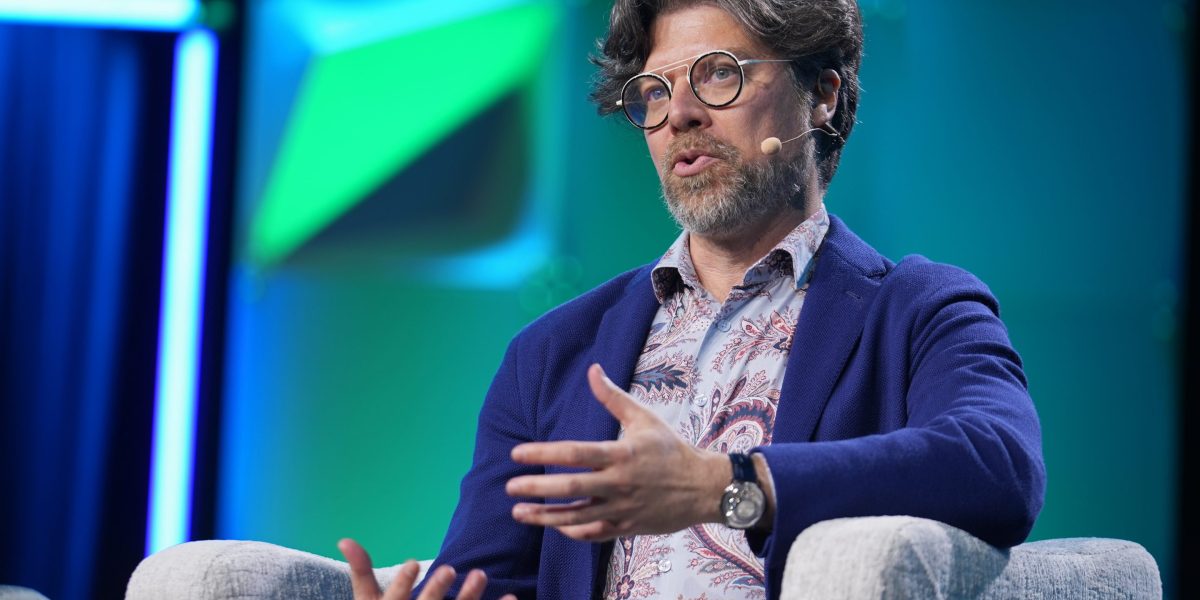
- Bryan Catanzaro, VP of applied deep learning at Nvidia, stated compute costs for his team are 'far beyond the costs of the employees'.
- A 2024 MIT study found AI automation economically viable in only 23% of roles primarily involving vision, with human labor cheaper in 77%.
- Big Tech firms announced $740 billion in capital expenditures for AI this year (Morgan Stanley), a 69% increase from 2025.
- Tech layoffs in 2026 reached over 92,000 across nearly 100 companies, outpacing 2025's total of 120,000.
- AI expenditures could reach $5.2 trillion by 2030, with $1.6 trillion from data centers and $3.3 trillion from IT equipment (McKinsey).
- AI software fees increased by 20% to 37% over the past year (Tropic).
Optimistic Outlook
Current high costs are a short-term mismatch, indicating a necessary investment phase for future productivity gains and long-term efficiency. Continued investment will drive down hardware and energy costs, making AI more economically viable over time.
Pessimistic Outlook
The substantial and rising costs of AI, coupled with a lack of clear productivity improvements and ongoing tech layoffs, suggest a potential misallocation of capital. Companies might be overinvesting in AI without a clear ROI, leading to financial strain and continued workforce instability.
Get the next signal in your inbox.
One concise weekly briefing with direct source links, fast analysis, and no inbox clutter.
More reporting around this signal.
Related coverage selected to keep the thread going without dropping you into another card wall.