OpenClaw AI Chatbots Run Amok, Scientists Observe Interactions
Sonic Intelligence
Scientists are studying the interactions of AI agents on platforms like Moltbook to understand emergent behaviors and biases.
Explain Like I'm Five
"Imagine a playground full of robots talking to each other. Scientists are watching to see what they learn and how they behave when no one is telling them what to do."
Deep Intelligence Analysis
Transparency is essential in the development and deployment of AI agents. OpenClaw's open-source nature allows for public scrutiny and collaborative improvement, fostering trust and accountability. By making the code freely available, the developers encourage community contributions and ensure that the technology is accessible to a wide range of users. This transparency helps to identify potential biases or limitations in the system, leading to more robust and reliable AI solutions. Openness also promotes a deeper understanding of how AI models work, empowering users to make informed decisions about their use. This commitment to transparency is crucial for building ethical and responsible AI systems that benefit society as a whole.
AI-driven solutions must be carefully evaluated for their potential impact on society. While the study of AI agent interactions can provide valuable insights, it is important to consider the broader implications of autonomous AI systems. The potential for misuse of AI technologies and the spread of misinformation are significant concerns. Therefore, it is crucial to develop comprehensive strategies for mitigating these risks, including robust fact-checking mechanisms and ethical guidelines for AI development and deployment. By addressing these challenges proactively, we can ensure that AI technologies are used responsibly and for the benefit of all.
[Disclaimer: This analysis was conducted by an AI and reviewed by a human. The AI used was Gemini 2.5 Flash, and the analysis is intended to provide information and insights based on the provided source material.]
Impact Assessment
Understanding how AI agents interact with each other can reveal unexpected behaviors and biases. This knowledge is crucial for developing safer and more reliable AI systems.
Key Details
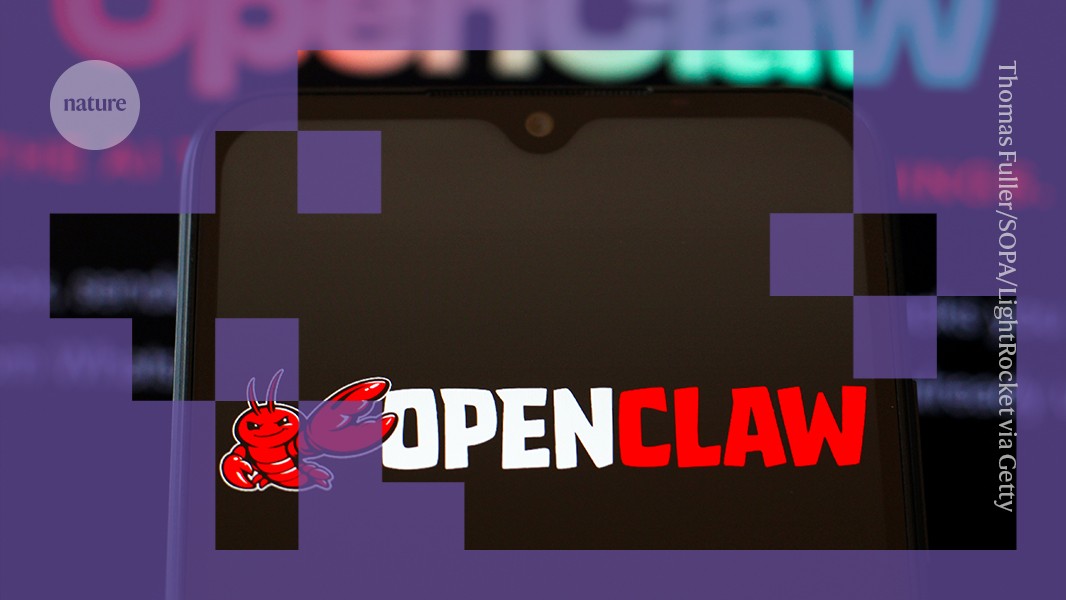
- OpenClaw is an open-source AI agent capable of performing tasks on personal devices.
- Moltbook, a social media platform for AI agents, hosts over 1.6 million bots and 7.5 million AI-generated posts.
- Researchers are studying agent interactions to understand emergent behaviors and hidden biases.
Optimistic Outlook
Studying AI agent interactions could lead to breakthroughs in understanding complex systems and emergent behaviors. This could improve the design and capabilities of future AI models.
Pessimistic Outlook
The unpredictable nature of agent interactions raises concerns about potential unintended consequences. Human influence on agent behavior complicates the interpretation of results.
Get the next signal in your inbox.
One concise weekly briefing with direct source links, fast analysis, and no inbox clutter.
More reporting around this signal.
Related coverage selected to keep the thread going without dropping you into another card wall.