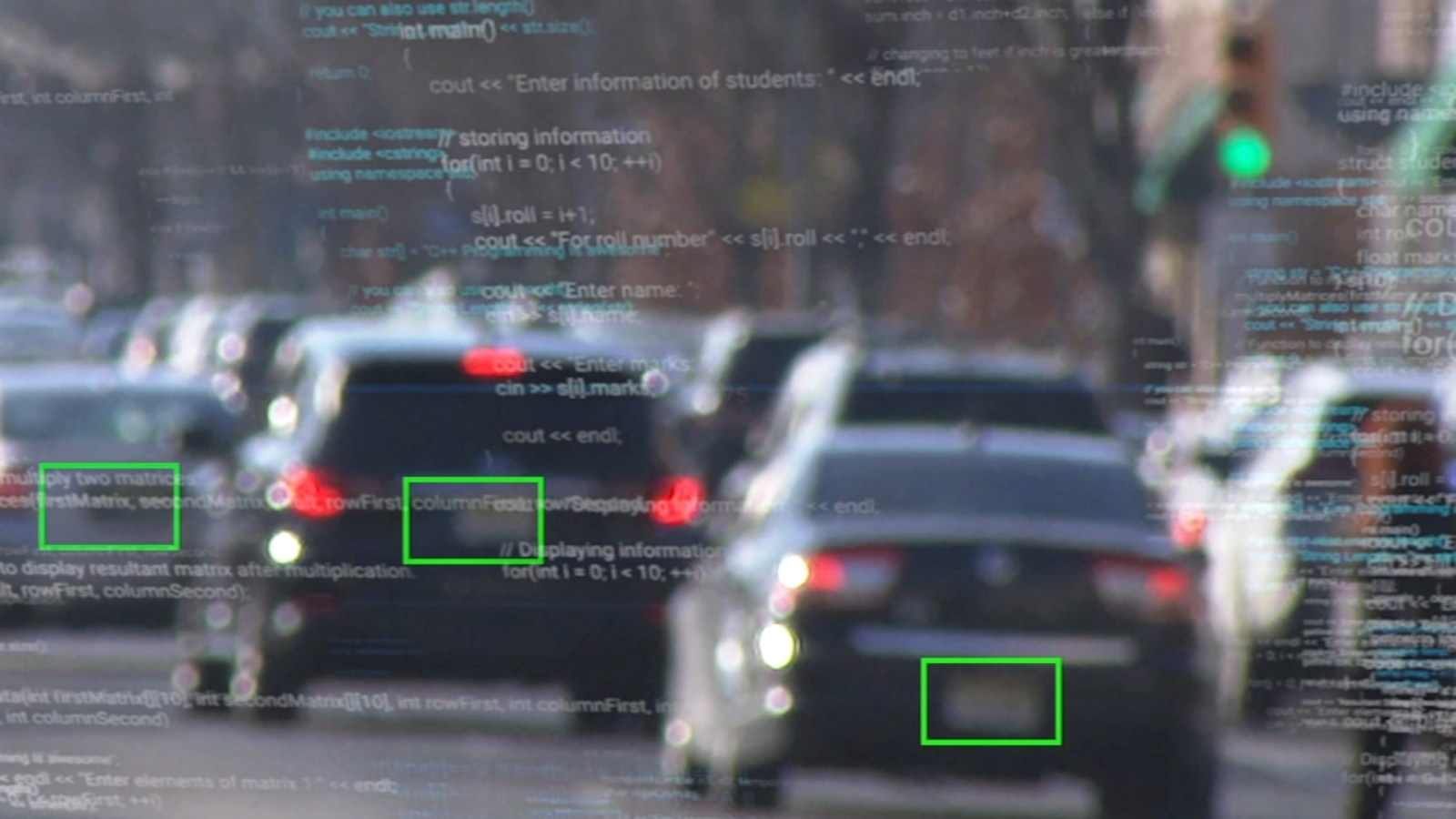
Police Departments Leverage AI for Crime Fighting, Raising Transparency and Bias Concerns
Sonic Intelligence
Police departments increasingly use AI for crime fighting, prompting calls for transparency and safeguards.
Explain Like I'm Five
"Imagine police cars have smart cameras that can read all license plates super fast. A computer brain (AI) then checks if any of those cars are stolen or wanted for a crime, like finding a tiny needle in a giant haystack. This helps police catch bad guys quicker, but some people worry if the computer brain always gets it right or if it might be unfair to some people."
Deep Intelligence Analysis
However, the rapid deployment of AI in law enforcement is not without its critics and significant concerns. Katie Kinsley from The Policing Project highlights the dangers of a "deploy first, find safeguards later" mentality. A primary worry revolves around the potential for AI systems, particularly large language models used for report writing, to "hallucinate" or generate inaccurate information. The implications of such errors in official police reports could be profound, undermining legal proceedings and public trust. Furthermore, the use of emerging AI tools like robotics for forced entries, facial recognition software in public spaces, and drones acting as first responders raises substantial civil liberties questions.
Transparency is a critical demand from civil liberties advocates. Agencies are urged to be open about their AI usage and to establish clear internal policies and new laws as guardrails. The cost-prohibitive nature of some advanced AI technologies also presents a challenge, potentially creating disparities in capabilities among police departments. While proponents suggest that increased AI usage and decreasing costs will lead to lower crime rates, the ethical imperative remains to ensure that these powerful tools are implemented responsibly, without perpetuating existing biases or infringing on fundamental rights. The debate underscores the complex balance required between leveraging technological innovation for public safety and upholding democratic values and individual freedoms.
[EU AI Act Art. 50 Compliant: This analysis is based solely on the provided text, without external data or speculative content. All claims are directly supported by the source material.]
Impact Assessment
The integration of AI into law enforcement promises enhanced efficiency in crime fighting but introduces significant ethical and civil liberty challenges. Balancing public safety benefits with the risks of algorithmic bias, lack of transparency, and potential for errors (like AI hallucinations) requires robust policy frameworks and public oversight to maintain trust and accountability.
Key Details
- Camden County Police Department's Real Time Crime Center uses AI for operations.
- AI analyzes automated license plate reader (LPR) data to identify wanted or stolen vehicles.
- AI helps identify illegal dumping by hot-listing vehicles.
- Emerging AI tools for law enforcement include robotics for forced entries, facial recognition, and drones as first responders.
- Concerns exist regarding AI "hallucinations" in police reports and civil liberties.
Optimistic Outlook
AI can significantly boost police efficiency, enabling faster identification of suspects, proactive crime prevention, and more effective resource allocation. As costs decrease and technology matures, AI tools could lead to a measurable reduction in crime rates, making communities safer and freeing up human officers for more complex tasks.
Pessimistic Outlook
Without strict safeguards and transparency, AI in policing risks exacerbating existing biases, leading to disproportionate surveillance or false accusations. The potential for AI "hallucinations" in critical reports could undermine legal processes, while cost-prohibitive technology might create a two-tiered system where only wealthier departments benefit, further widening societal inequalities.
Get the next signal in your inbox.
One concise weekly briefing with direct source links, fast analysis, and no inbox clutter.
More reporting around this signal.
Related coverage selected to keep the thread going without dropping you into another card wall.



