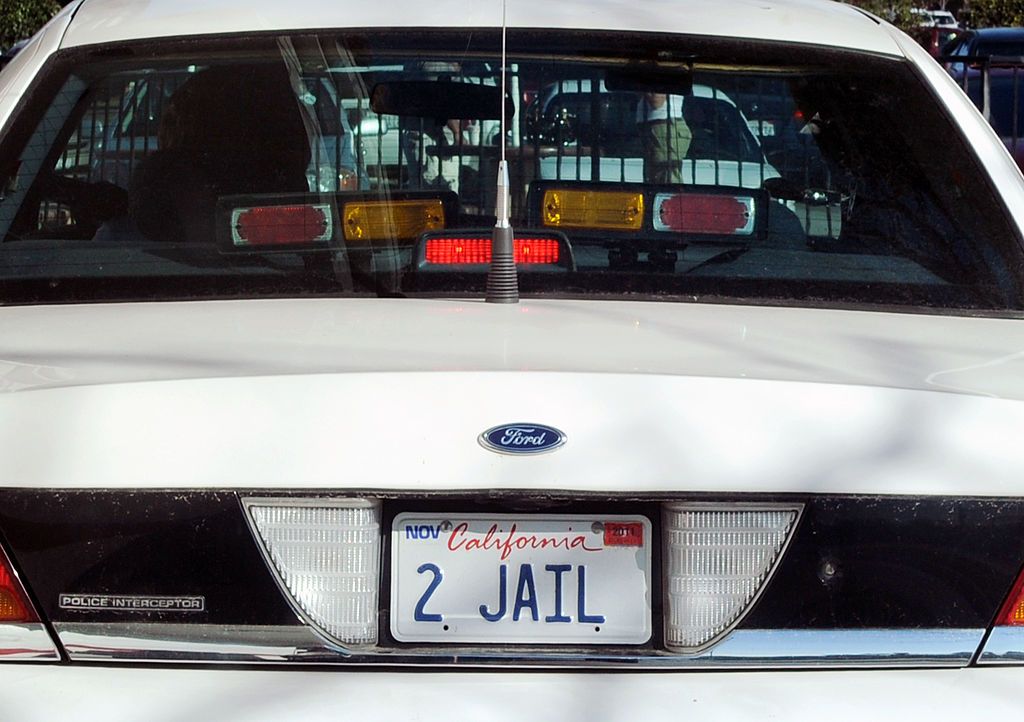
Police Misuse AI License Plate Readers for Stalking
Sonic Intelligence
Police officers misused AI license plate readers.
Explain Like I'm Five
"Imagine police cars have cameras that can read every license plate they see, and a computer remembers where all those cars have been. Some police officers used this powerful tool to secretly watch their ex-partners, which is wrong and illegal."
Deep Intelligence Analysis
The context for this issue lies in the rapid deployment of AI-driven surveillance tools like ALPRs, which offer law enforcement unprecedented capabilities for tracking vehicles. While these systems are ostensibly for public safety, their widespread implementation often outpaces the development of robust internal controls, audit mechanisms, and legal frameworks to prevent misuse. The technical design of such systems, which typically log every plate scan, creates a detailed historical record that, when improperly accessed, becomes a potent tool for privacy invasion. The lack of a universal warrant requirement for ALPR data access further exacerbates this problem, leaving discretion largely to individual departments and officers.
Moving forward, this scandal will likely intensify calls for stricter regulations, including mandatory warrant requirements for accessing ALPR data, as advocated by privacy campaigners. It will also pressure police departments to implement more rigorous internal auditing, access controls, and disciplinary actions for misuse. The incident highlights the broader challenge of ensuring ethical AI deployment in sensitive public sector applications, demanding a re-evaluation of how powerful data collection tools are governed to protect civil liberties while still serving legitimate public safety needs. Failure to address these systemic issues could lead to a significant erosion of public trust in both law enforcement and AI technologies.
Visual Intelligence
flowchart LR
  A[Police Officers] --> B{Misuse AI ALPR}
  B --> C[Stalk Romantic Partners]
  C --> D[Privacy Violations]
  D --> E[Erodes Public Trust]
  E --> F[Demands Policy Reform]
Auto-generated diagram · AI-interpreted flow
Impact Assessment
This widespread misuse of AI-powered surveillance technology by law enforcement highlights significant privacy and civil liberties concerns. It exposes critical vulnerabilities in oversight and accountability mechanisms for powerful tools, potentially eroding public trust in both police departments and the ethical deployment of AI.
Key Details
- At least 18 cases of police officers misusing Flock AI license plate reader systems for stalking romantic partners have been identified in the US.
- Tens of officers have been fired or arrested due to these abuses.
- Privacy campaigners advocate for a warrant requirement for Flock system usage.
- One officer, Jarmarus Brown, repeatedly accessed his ex-girlfriend's license plate data over 100 times.
Optimistic Outlook
Increased public and investigative scrutiny will force stronger policy reforms and accountability measures for AI surveillance systems. This could lead to the implementation of warrant requirements, enhanced auditing, and stricter penalties, ultimately improving privacy protections and responsible technology use.
Pessimistic Outlook
Without stringent regulatory and technical safeguards, the misuse of AI surveillance systems could become more pervasive, leading to widespread privacy violations. The ease of access and lack of immediate oversight could normalize such abuses, making it harder to prosecute offenders and protect citizens' rights.
Get the next signal in your inbox.
One concise weekly briefing with direct source links, fast analysis, and no inbox clutter.
More reporting around this signal.
Related coverage selected to keep the thread going without dropping you into another card wall.