Shard: Parallel AI Coding Orchestrator
Sonic Intelligence
The Gist
Shard orchestrates parallel AI coding using git worktrees for complex tasks, automatically planning, partitioning, dispatching, aggregating, and self-healing.
Explain Like I'm Five
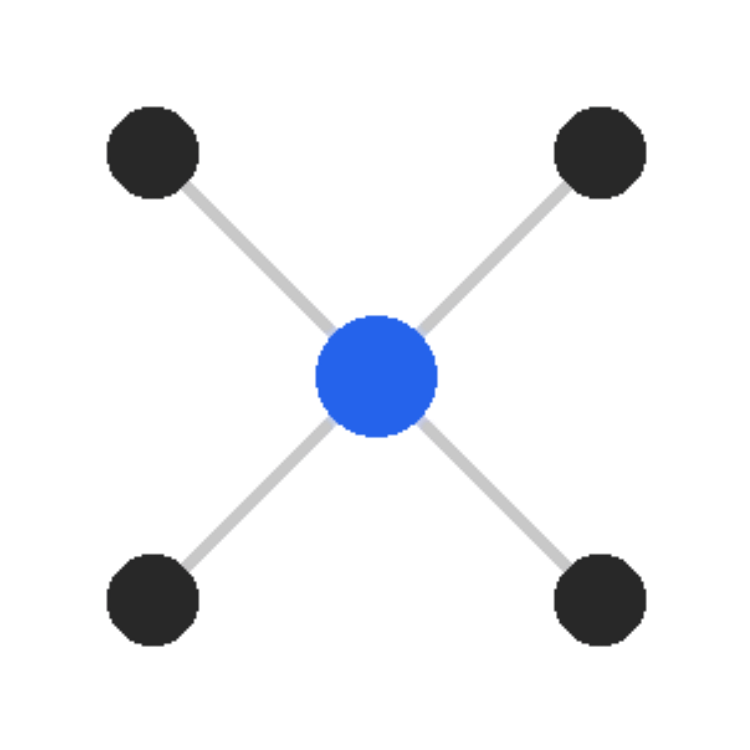
"Imagine you have a big LEGO project, and instead of building it alone, you have four robot friends helping you at the same time! Shard is like the boss that tells each robot what to do and makes sure all the pieces fit together in the end."
Deep Intelligence Analysis
_Context: This intelligence report was compiled by the DailyAIWire Strategy Engine. Verified for Art. 50 Compliance._
Visual Intelligence
flowchart LR
    A[Task Decomposition] --> B(Planning with LLM);
    B --> C{Parallel Sub-tasks};
    C --> D[Git Worktrees Creation];
    D --> E((AI Coding Agents));
    E --> F[Code Generation];
    F --> G{Merge Branches};
    G --> H[Conflict Resolution];
    H --> I{Test Suite};
    I --> J{Fix Failures};
    J --> K[Final Code];
Auto-generated diagram · AI-interpreted flow
Impact Assessment
Shard enables faster development cycles by allowing multiple AI agents to work concurrently on different parts of a project. This can significantly reduce the time required for complex coding tasks and improve overall efficiency.
Read Full Story on GitHubKey Details
- ● Shard decomposes coding tasks into a DAG of parallel sub-tasks.
- ● It uses git worktrees to isolate agents and prevent conflicts.
- ● Supports Claude Code, Aider, and Cursor AI coding agents.
- ● Requires Python 3.11+ and Git 2.20+.
Optimistic Outlook
Shard could democratize complex software development by enabling smaller teams to leverage the power of parallel AI coding. This could lead to faster innovation and more efficient resource utilization.
Pessimistic Outlook
The complexity of managing parallel AI agents and resolving conflicts could introduce new challenges for developers. Debugging and maintaining code generated by multiple AI agents might also be difficult.
The Signal, Not
the Noise|
Get the week's top 1% of AI intelligence synthesized into a 5-minute read. Join 25,000+ AI leaders.
Unsubscribe anytime. No spam, ever.