Singapore's Foreign Minister Builds Personal AI 'Second Brain' on Raspberry Pi
Sonic Intelligence
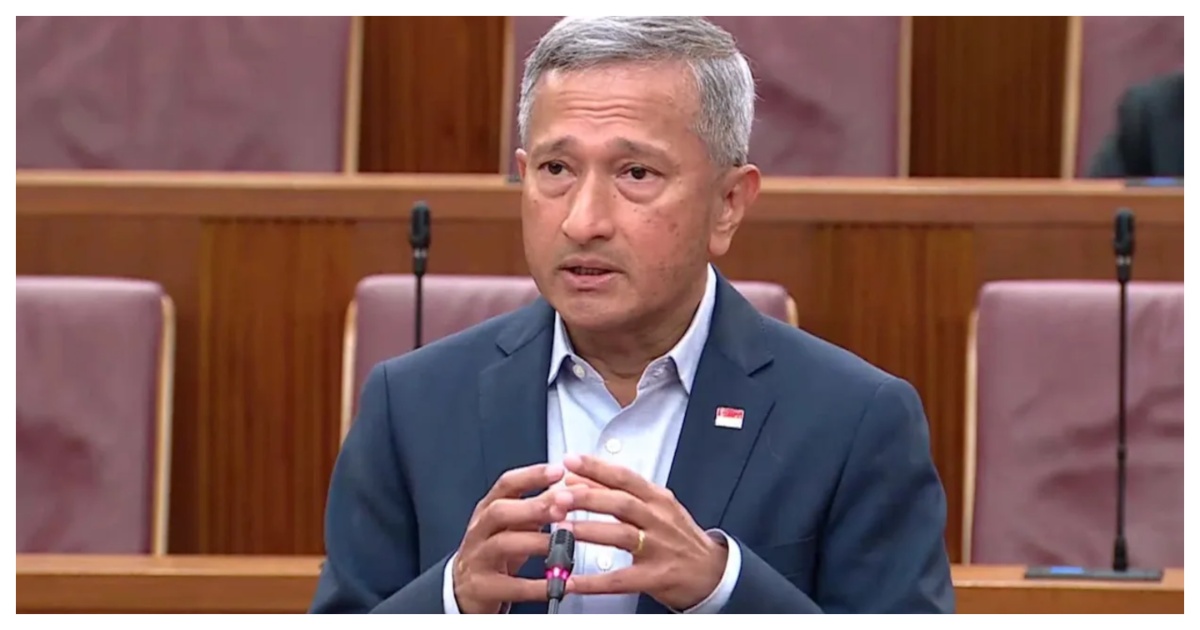
Singapore's Foreign Minister built a self-hosted AI 'second brain'.
Explain Like I'm Five
"Imagine a super-smart helper that lives only on your tiny home computer, like a tiny brain that remembers everything you tell it. Singapore's Foreign Minister built one for himself, so it can answer his questions, write speeches, and keep all his secrets safe because it never sends his info to the internet."
Deep Intelligence Analysis
Visual Intelligence
flowchart LR
    A["Raw Sources"] --> B["Obsidian App"]
    B --> C["mnemon Tool"]
    C --> D["SQLite Database"]
    D --> E["Knowledge Graph"]
    E --> F["Wiki Pages"]
    F --> H["AI Assistant"]
    G["Ollama Local Embeddings"] --> H
Auto-generated diagram · AI-interpreted flow
Impact Assessment
A high-profile government official actively building and utilizing a sophisticated, privacy-focused AI agent demonstrates a tangible shift towards practical AI adoption beyond mere policy advocacy. This showcases the potential for powerful, personalized AI tools to enhance productivity while maintaining data sovereignty, setting a precedent for both public and private sector applications.
Key Details
- Dr. Vivian Balakrishnan, Singapore’s Minister for Foreign Affairs, developed a personal AI assistant.
- The system, described as a 'second brain,' runs locally on a Raspberry Pi 5.
- It leverages open-source NanoClaw (a Claude assistant) and Andrej Karpathy's LLM Wiki pattern.
- The architecture includes a custom knowledge graph tool 'mnemon' storing facts in a SQLite database.
- Vector embeddings for semantic search are processed locally using Ollama and whisper.cpp for privacy.
Optimistic Outlook
This initiative highlights the democratizing potential of open-source AI and local computing, enabling individuals to create powerful, private AI assistants. It could inspire broader adoption of self-hosted AI solutions, fostering innovation in personal productivity tools and enhancing data security for sensitive information.
Pessimistic Outlook
While impressive, the technical complexity of building such a system on a Raspberry Pi remains a barrier for most users, limiting widespread adoption without significant simplification. The reliance on specific open-source tools also introduces potential maintenance and update challenges for non-technical users, despite the privacy benefits.
Get the next signal in your inbox.
One concise weekly briefing with direct source links, fast analysis, and no inbox clutter.
More reporting around this signal.
Related coverage selected to keep the thread going without dropping you into another card wall.