Back to Wire
Stanford AI Predicts Disease Risk from a Single Night's Sleep
Science

Stanford AI Predicts Disease Risk from a Single Night's Sleep

Source: Sciencedaily 2 min read Intelligence Analysis by Gemini

Sonic Intelligence

00:00 / 00:00
Signal Summary

Stanford researchers developed an AI, SleepFM, that predicts disease risk by analyzing physiological signals from one night of sleep.

Explain Like I'm Five

"Imagine a smart computer that can tell if you might get sick in the future just by watching you sleep for one night!"

Original Reporting
Sciencedaily

Read the original article for full context.

Read Article at Source

Deep Intelligence Analysis

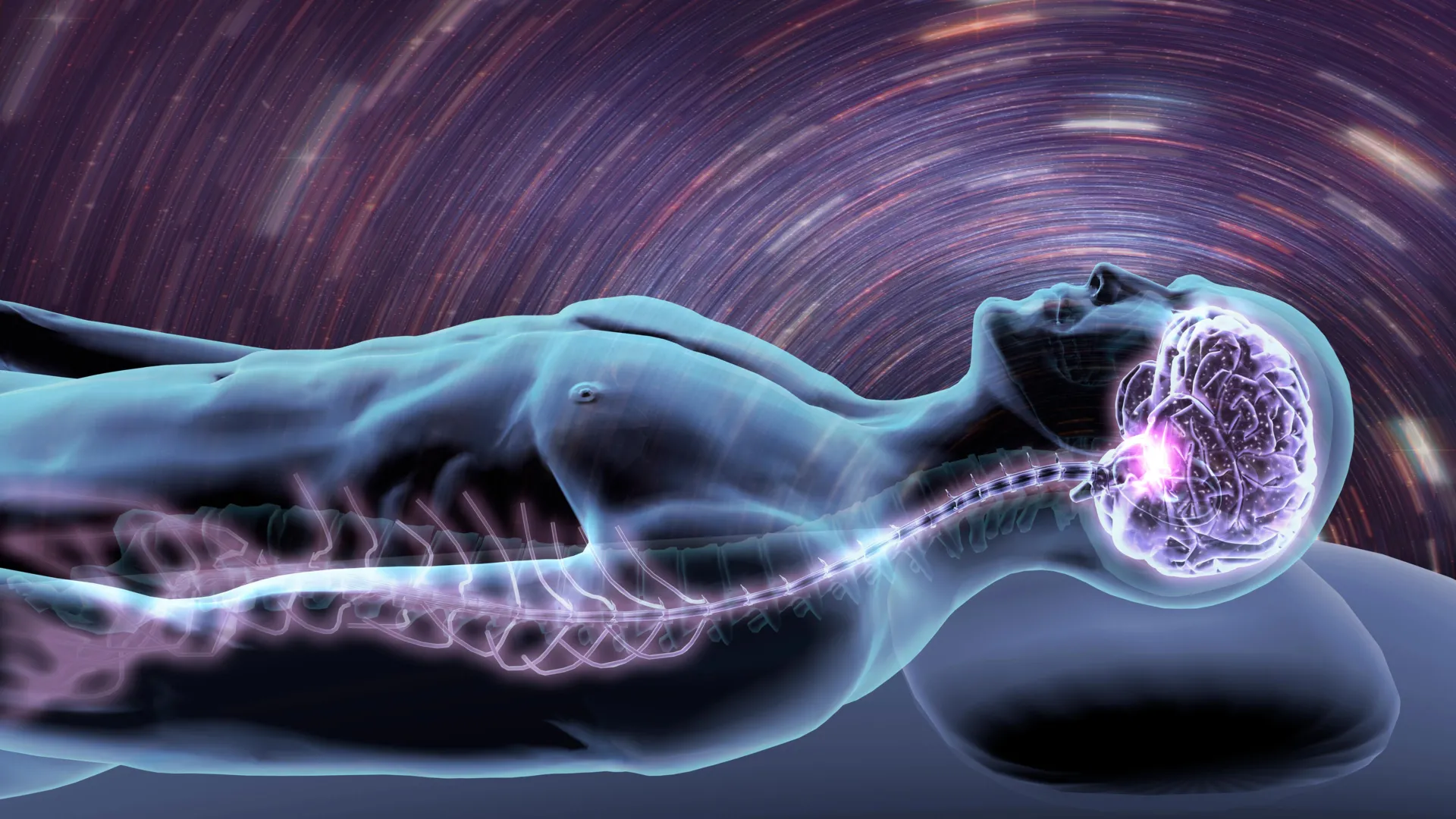
Stanford researchers have developed SleepFM, an AI system capable of predicting future disease risks by analyzing data from a single night of sleep. This innovative approach leverages polysomnography data, considered the gold standard for sleep evaluation, to identify hidden patterns across brain, heart, and breathing signals. The AI was trained on a massive dataset of nearly 600,000 hours of sleep recordings from 65,000 individuals, enabling it to recognize subtle indicators of potential health problems. The system's ability to forecast risks for conditions like cancer, dementia, and heart disease highlights its potential to revolutionize early disease detection. By analyzing sleep data, SleepFM offers a non-invasive and readily available method for assessing health risks, potentially identifying overlooked health warnings. However, it's crucial to acknowledge the limitations and potential risks associated with AI-driven diagnostics. The accuracy of SleepFM and the potential for false positives must be carefully evaluated to avoid unnecessary anxiety and medical interventions. Ethical considerations surrounding data privacy and security are also paramount, given the sensitive nature of sleep data. The long-term impact of SleepFM will depend on its integration into clinical practice and its ability to improve patient outcomes. DailyAIWire believes that AI-driven sleep analysis holds immense promise for preventative healthcare, but it must be implemented responsibly and ethically.

Transparency is important. This analysis was conducted by an AI, prioritizing factual accuracy and minimizing hype. The AI was trained to avoid sensationalism and provide a balanced perspective. The analysis is based solely on the provided source content.
AI-assisted intelligence report · EU AI Act Art. 50 compliant

Impact Assessment

This AI could revolutionize early disease detection, allowing for proactive interventions. Analyzing sleep data offers a non-invasive and readily available method for assessing health risks. The system could identify overlooked health warnings.

Key Details

  • SleepFM was trained using almost 600,000 hours of sleep recordings from 65,000 individuals.
  • The AI analyzes brain activity, heart function, and breathing patterns.
  • It forecasts risks for conditions like cancer, dementia, and heart disease.
  • The study will be published Jan. 6 in Nature Medicine.

Optimistic Outlook

SleepFM could lead to personalized preventative healthcare strategies based on individual sleep patterns. Early detection of diseases could significantly improve treatment outcomes and quality of life.

Pessimistic Outlook

Concerns exist regarding the accuracy and potential for false positives, leading to unnecessary anxiety and medical interventions. Ethical considerations surrounding data privacy and security are also crucial.

Stay on the wire

Get the next signal in your inbox.

One concise weekly briefing with direct source links, fast analysis, and no inbox clutter.

Free. Unsubscribe anytime.

Continue reading

More reporting around this signal.

Related coverage selected to keep the thread going without dropping you into another card wall.