Student Leverages ChatGPT and Gemini in Discrimination Lawsuit Against University of Washington
Sonic Intelligence
AI tools are being deployed in a high-stakes discrimination lawsuit.
Explain Like I'm Five
"Imagine you want to sue someone, but lawyers are too expensive or scared. This guy used smart computer programs like ChatGPT to act like his lawyers, helping him write papers and arguments for court. He thinks the computer is doing a great job, even finding mistakes made by the university's human lawyers. It's like having a super-smart robot helper for your legal problems."
Deep Intelligence Analysis
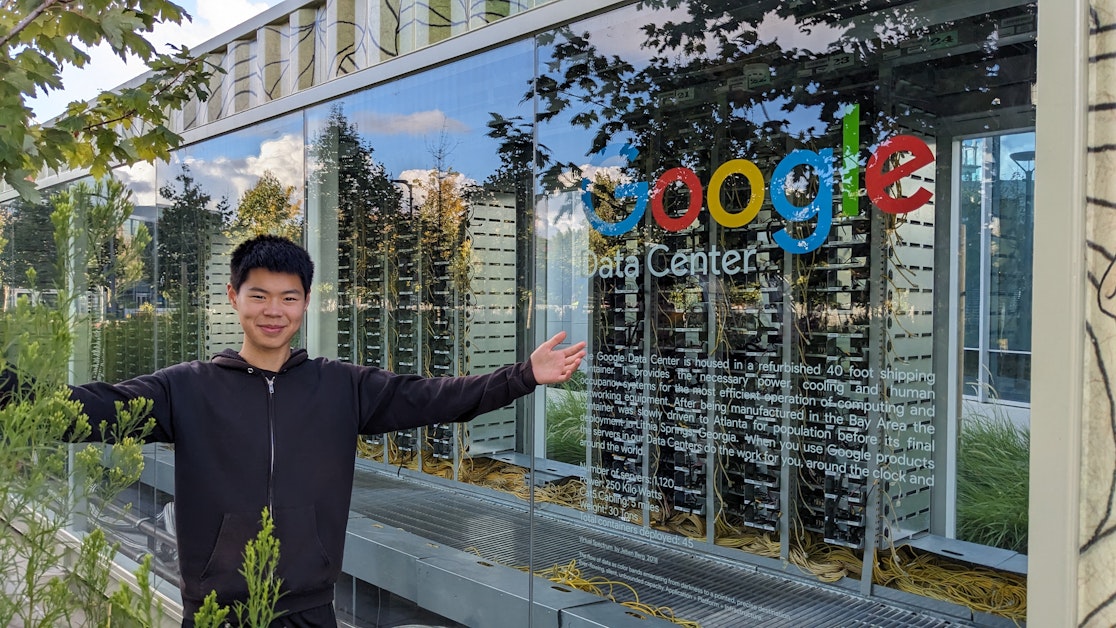
This case provides a real-world stress test for AI's capabilities and limitations within the judicial system. The plaintiff, Stanley Zhong, a Google AI engineer, utilized these models to construct legal arguments, draft official documents, and cross-verify information, even claiming to have identified errors in the opposing counsel's filings. While acknowledging AI's propensity for fabrication, Zhong asserts personal responsibility for accuracy, a crucial ethical and practical consideration. A federal judge's favorable ruling on a procedural motion suggests initial judicial acceptance, or at least tolerance, of AI-assisted legal work, setting a precedent for future cases. The University of Washington maintains its admissions process is fair, attributing Zhong's rejection to out-of-state status and program competitiveness, not race.
The implications for the legal sector are profound. If AI can effectively navigate complex litigation, it could democratize legal access, empowering individuals and small firms against larger, better-resourced adversaries. This shift could compel legal education and practice to integrate AI proficiency as a core competency, redefining the roles of paralegals and junior attorneys. However, it also necessitates robust regulatory frameworks to address issues of accountability, data privacy, and the prevention of AI-induced errors or biases. The upcoming in-person hearing, where electronics are prohibited, will test the human element of this AI-enabled strategy, underscoring that while AI can augment, human oversight remains indispensable.
Impact Assessment
The use of AI in complex legal battles, particularly against well-resourced institutions, signals a potential shift in access to justice and the legal profession's future. This case tests the practical efficacy and judicial acceptance of AI-generated legal work.
Key Details
- Stanley Zhong, with a 4.42 GPA and 1590 SAT, was rejected by 16 out of 18 colleges.
- He secured an AI engineering job at Google, typically requiring a doctorate, after college rejections.
- Zhong used ChatGPT and Gemini to draft legal arguments and documents for his lawsuit against the University of Washington.
- A federal judge in Seattle recently sided with Zhong on a procedural motion.
- Zhong claims to have identified nearly a dozen legal errors in UW's latest filing using AI.
Optimistic Outlook
AI's application in legal disputes could democratize access to justice, enabling individuals to pursue claims against powerful entities without prohibitive legal fees. It may force legal professionals to adopt new efficiencies and tools, ultimately making legal services more accessible and affordable.
Pessimistic Outlook
Reliance on AI in legal proceedings carries significant risks, including the potential for fabricated information (hallucinations) and the ethical implications of non-human legal counsel. This could lead to miscarriages of justice if AI outputs are not rigorously verified, and raises questions about accountability in legal errors.
Get the next signal in your inbox.
One concise weekly briefing with direct source links, fast analysis, and no inbox clutter.
More reporting around this signal.
Related coverage selected to keep the thread going without dropping you into another card wall.