Texas AI Boom Faces Water Regulation Challenges
Sonic Intelligence
Texas' rapid AI infrastructure growth is outpacing water regulations, raising concerns about water scarcity and the lack of transparency in data center water consumption.
Explain Like I'm Five
"Imagine Texas is building lots of giant computer buildings for AI, but these buildings need a lot of water, like a whole town! Texas needs to make sure there's enough water for everyone, not just the computers."
Deep Intelligence Analysis
The lack of transparency regarding water usage makes it difficult to assess the true impact of data centers and develop effective mitigation strategies. The Texas State Water Plan's failure to account for data center demand further exacerbates the problem. The reliance on potable freshwater for evaporative cooling raises concerns about the sustainability of current practices. The potential for conflict between industries and communities over water resources is a real and pressing issue.
Addressing this challenge requires a multi-faceted approach, including stricter regulations, mandatory water reporting, investment in water-efficient technologies, and exploration of alternative water sources. Public awareness and engagement are crucial to ensure that AI development in Texas is sustainable and does not compromise the state's water future. This analysis is based solely on the provided source material, and aims to highlight the potential environmental and societal impacts of unchecked AI infrastructure growth.
Transparency is paramount in AI development. As AI becomes increasingly integrated into our lives, it is crucial that we understand how these systems work and what data they use. This analysis is based solely on the provided source material.
Impact Assessment
The unchecked growth of AI data centers in Texas poses a significant threat to the state's water resources. The lack of regulation and transparency hinders effective water management and could exacerbate existing water scarcity issues. This situation highlights the need for sustainable AI infrastructure development.
Key Details
- Texas has over 400 data centers operating or under construction.
- A small-to-mid-sized data center requires approximately 300,000 gallons of municipal water per day.
- Texas data centers collectively consume an estimated 25 billion gallons of water annually, projected to rise to 29-161 billion gallons by 2030.
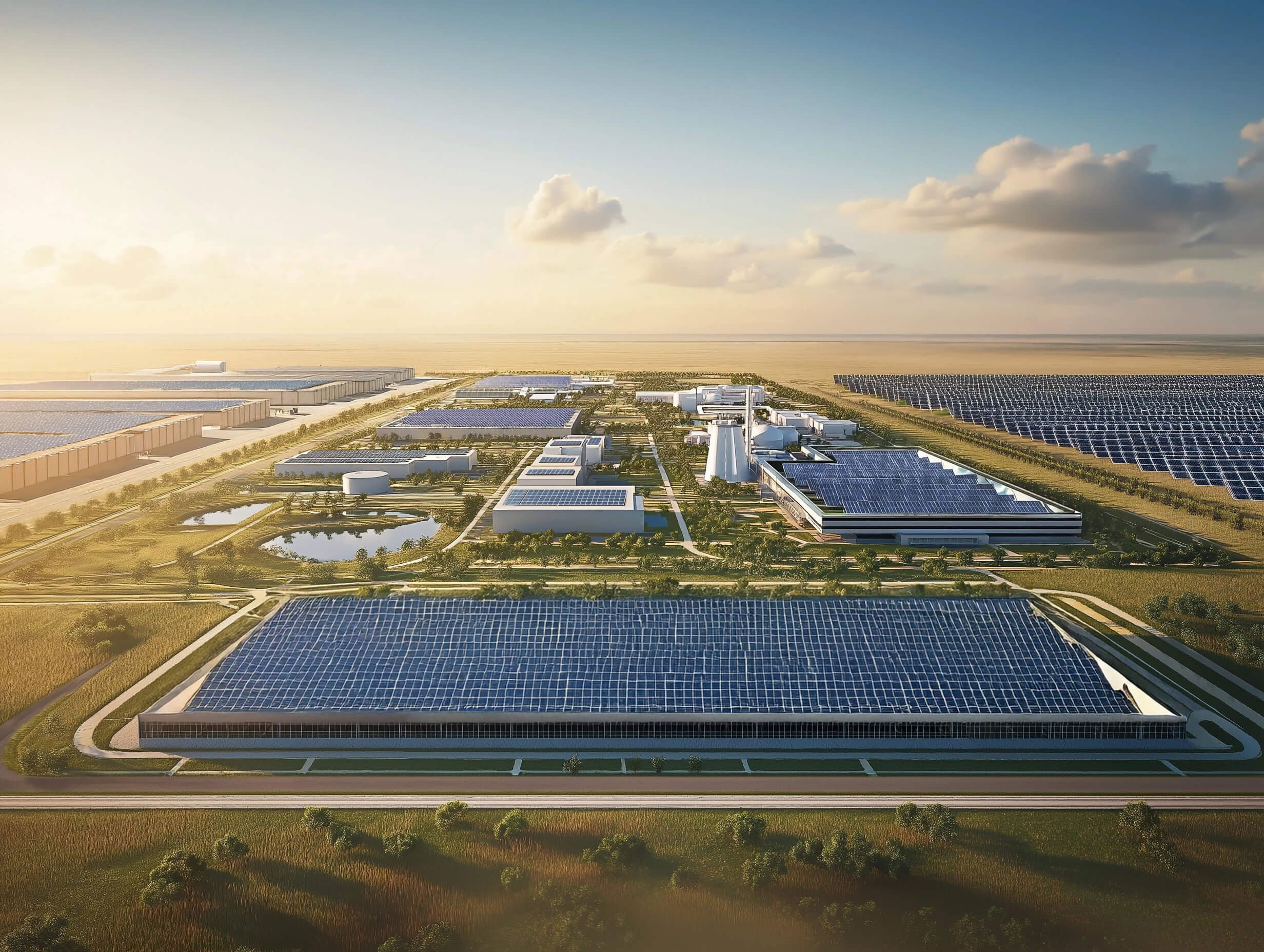
- Project Matador, a massive AI data center complex in Amarillo, will include four 1-gigawatt nuclear power reactors.
Optimistic Outlook
Increased awareness of the water consumption issue could prompt Texas to implement stricter regulations and promote water-efficient cooling technologies. Investment in alternative water sources and improved data collection could mitigate the impact of data centers on water supplies. Public pressure may encourage data center operators to adopt more sustainable practices.
Pessimistic Outlook
Without proactive measures, the growing demand for water from AI data centers could strain Texas' already limited water resources, leading to conflicts between industries and communities. The lack of transparency could hinder effective water management and exacerbate existing water scarcity issues. Environmental damage and economic disruption are potential consequences.
Get the next signal in your inbox.
One concise weekly briefing with direct source links, fast analysis, and no inbox clutter.
More reporting around this signal.
Related coverage selected to keep the thread going without dropping you into another card wall.



