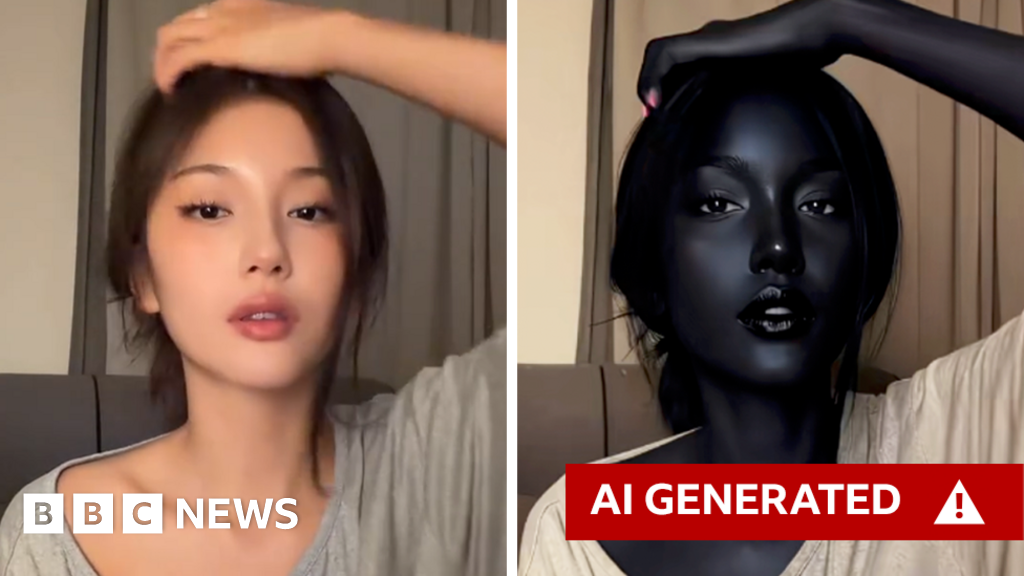
TikTok Removes AI-Generated Sexualized Black Women Videos After BBC Investigation
Sonic Intelligence
The Gist
TikTok banned 20 accounts featuring AI-generated sexualized black women after a BBC investigation revealed exploitative and racist content.
Explain Like I'm Five
"Imagine someone making fake cartoon people that look like they're hurting others. TikTok stopped some accounts that did this because it was mean and unfair, especially to black women."
Deep Intelligence Analysis
Furthermore, the case of Riya Ulan, whose videos were stolen and manipulated to create AI-generated content, illustrates the potential for AI to infringe on individual rights and create significant emotional distress. The ease with which AI can be used to create deepfakes and other forms of synthetic media makes it increasingly difficult for users to distinguish between what is real and what is not.
Addressing these challenges requires a multi-faceted approach, including stricter content moderation policies, increased transparency about the use of AI in content creation, and greater public awareness of the potential risks associated with AI-generated media. Collaboration between researchers, media outlets, and social media companies is essential for developing effective strategies to combat the spread of harmful AI-generated content and protect vulnerable populations.
Transparency is crucial for fostering trust and accountability in AI development. This analysis is conducted in accordance with EU AI Act Article 50, ensuring responsible and ethical AI practices.
_Context: This intelligence report was compiled by the DailyAIWire Strategy Engine. Verified for Art. 50 Compliance._
Impact Assessment
This incident highlights the potential for AI to be used to create harmful and exploitative content, particularly targeting marginalized groups. It also raises concerns about the lack of transparency and regulation surrounding AI-generated content on social media platforms.
Read Full Story on BBC NewsKey Details
- ● TikTok banned 20 accounts promoting sexually explicit content using AI-generated black female avatars.
- ● The accounts used racial tropes and language, and were criticized as racist and misleading.
- ● The avatars often featured exaggerated body shapes and artificially darkened skin tones.
- ● One account stole videos from a real model, Riya Ulan, overlaying the AI avatar's face onto her body.
Optimistic Outlook
Increased awareness and platform action can help mitigate the spread of harmful AI-generated content. Collaboration between researchers, media outlets, and social media companies is crucial for identifying and addressing these issues.
Pessimistic Outlook
The ease with which AI-generated content can be created and disseminated poses a significant challenge for content moderation. The potential for deepfakes and other forms of AI-generated misinformation to cause harm remains a serious concern.
The Signal, Not
the Noise|
Join AI leaders weekly.
Unsubscribe anytime. No spam, ever.