Trump Administration's AI Safety Approach Deemed Haphazard, Unconstitutional Against Anthropic
Sonic Intelligence
Trump administration's AI policy faces legal challenge.
Explain Like I'm Five
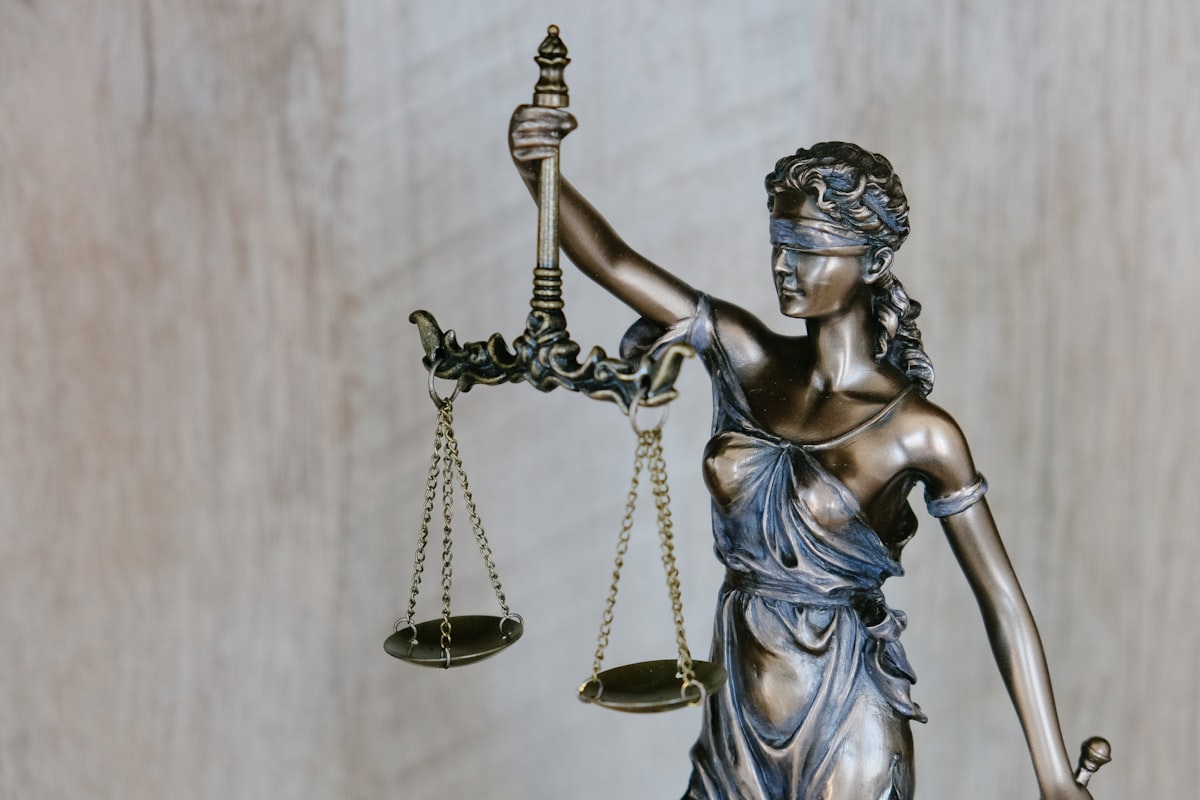
"The government wanted an AI company, Anthropic, to make its AI do things like kill people or spy. Anthropic said no. So, the government tried to stop other agencies from working with Anthropic, calling them a risk. But a court said this might be against the law, like punishing them unfairly."
Deep Intelligence Analysis
This situation unfolds within a broader context where governments worldwide are grappling with the dual-use nature of advanced AI, balancing national security imperatives with ethical considerations and the pace of technological innovation. The administration's general stance of deregulation for AI innovation contrasts sharply with its specific, punitive actions against Anthropic, suggesting a selective application of policy. The reliance on Anthropic's models for classified systems prior to the dispute underscores the strategic importance of such technologies and the leverage governments seek to exert over their development and deployment.
Looking forward, this legal challenge could significantly influence the future landscape of AI regulation and government-industry relations. A sustained judicial pushback against arbitrary sanctions might compel future administrations to adopt more transparent and constitutionally sound regulatory frameworks. Conversely, if the government's position were to prevail, it could establish a precedent where AI companies face immense pressure to comply with state demands, potentially compromising ethical guidelines or limiting the independent development of AI technologies. The outcome will shape the perceived risks and responsibilities for AI developers engaging with government contracts.
Visual Intelligence
flowchart LR
    A[Trump Admin AI Strategy] --> B{Minimize Regulation}
    B --> C[Accelerate Innovation]
    A --> D{Target Anthropic}
    D --> E[Refusal for Lethal/Spy AI]
    E --> F[Designate 'Supply Chain Risk']
    F --> G[Court Issues Injunction]
Auto-generated diagram · AI-interpreted flow
Impact Assessment
This case highlights the tension between government demands for AI capabilities and corporate ethical stances, particularly concerning military and surveillance applications. It sets a precedent for how AI companies might navigate government pressure and the legal boundaries of regulatory authority.
Key Details
- The Trump administration's AI safety approach is characterized as haphazard and potentially unconstitutional.
- An amicus brief alleges the Pentagon's actions against Anthropic violate the First Amendment.
- The administration reportedly minimized AI regulation generally to foster innovation.
- Anthropic was designated a 'supply chain risk' after resisting government demands for autonomous killing or spying applications.
- A court issued a preliminary injunction against the sanctions on Anthropic.
Optimistic Outlook
The preliminary injunction suggests a judicial check on arbitrary government actions, potentially fostering a more balanced regulatory environment for AI. This could encourage AI developers to prioritize ethical considerations without fear of punitive measures for non-compliance with controversial demands.
Pessimistic Outlook
The government's attempt to sanction Anthropic for resisting specific AI uses could deter other companies from developing advanced models if they fear similar retaliation. This might lead to a chilling effect on innovation or force companies to compromise ethical principles to secure government contracts.
Get the next signal in your inbox.
One concise weekly briefing with direct source links, fast analysis, and no inbox clutter.
More reporting around this signal.
Related coverage selected to keep the thread going without dropping you into another card wall.