UK Facial Recognition Oversight Lags as Police Scans Surge 87%
Sonic Intelligence
UK facial recognition oversight lags as police scans surge.
Explain Like I'm Five
"Police and shops in the UK are using special cameras that can recognize faces, like in movies. But the rules about how they can use these cameras are old and not keeping up, so people are worried about privacy and being wrongly identified."
Deep Intelligence Analysis
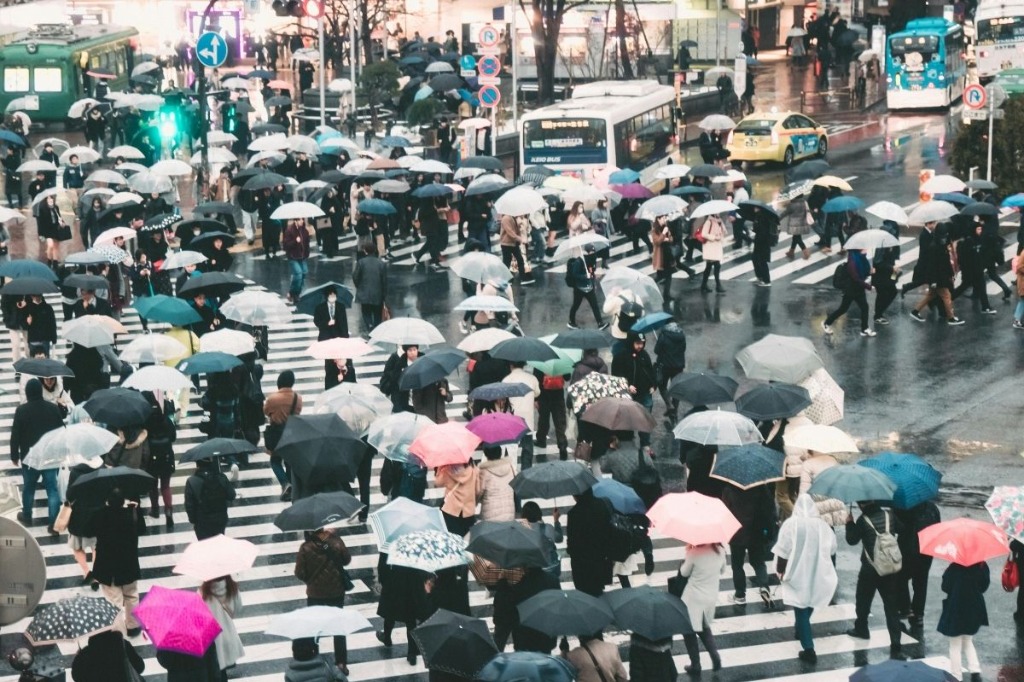
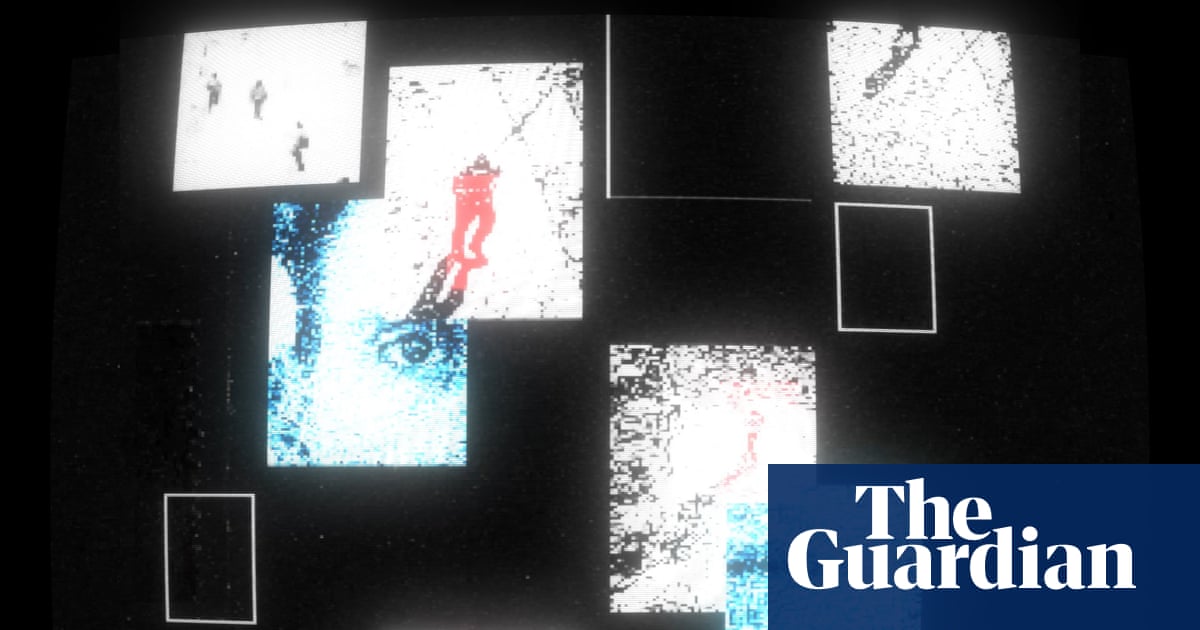
Key data points highlight the scale of the issue: the Met has scanned over 1.7 million faces this year, an 87% increase over the same period in 2025. Public polling indicates 57% of people perceive these systems as a step towards a surveillance society. Biometrics commissioners for England, Wales, and Scotland have explicitly warned that legislation is years behind the technology, describing the current situation as 'the horse had gone before the cart.' Concerns are compounded by reports of misidentification, a 'patchwork legal framework,' and the indefinite postponement of an independent audit into the Met's FRT use, suggesting a lack of accountability and transparency.
The forward-looking implications are profound. Without swift and comprehensive legislative action, the UK risks normalizing pervasive surveillance with insufficient safeguards, potentially eroding fundamental rights. The current environment, where police are 'marking their own homework' and citizens have limited recourse for misidentification, is unsustainable. The Home Office's consideration of a new legal framework, while positive, must translate into concrete, enforceable regulations and an independent oversight body. Failure to act decisively will entrench a system where technological capability outpaces ethical and legal control, setting a dangerous precedent for AI deployment in public spaces.
Visual Intelligence
flowchart LR
A["Rapid FRT Deployment"] --> B["Oversight Lags"]
B --> C["Public Concern Grows"]
C --> D["Civil Liberties Risk"]
D --> E["Call for New Laws"]
E --> F["Regulatory Gap"]
Auto-generated diagram · AI-interpreted flow
Impact Assessment
The rapid deployment of AI facial recognition technology in the UK, coupled with a significant lag in regulatory oversight, creates substantial risks for civil liberties and data privacy. The current 'patchwork legal framework' and public distrust highlight an urgent need for robust governance.
Key Details
- Metropolitan Police scanned over 1.7 million faces in London this year, an 87% increase from 2025.
- 57% of polled individuals believe facial recognition systems contribute to a surveillance society.
- Regulation is estimated to be at least three years away.
- An independent audit of the Met's FRT use has been indefinitely postponed.
Optimistic Outlook
Increased public and watchdog pressure could accelerate the development of comprehensive legislation and a dedicated regulator for facial recognition. This could lead to a more transparent and accountable use of the technology, balancing security needs with privacy rights and fostering public trust.
Pessimistic Outlook
Without immediate legislative intervention, the unchecked expansion of facial recognition could erode civil liberties and establish a pervasive surveillance society. The current lack of accountability for misidentification and misuse risks creating a system where citizens are 'guilty until proven innocent,' with limited recourse.
Get the next signal in your inbox.
One concise weekly briefing with direct source links, fast analysis, and no inbox clutter.
More reporting around this signal.
Related coverage selected to keep the thread going without dropping you into another card wall.