Utah Approves 9GW Off-Grid AI Campus, Doubling State's Power Use
Sonic Intelligence
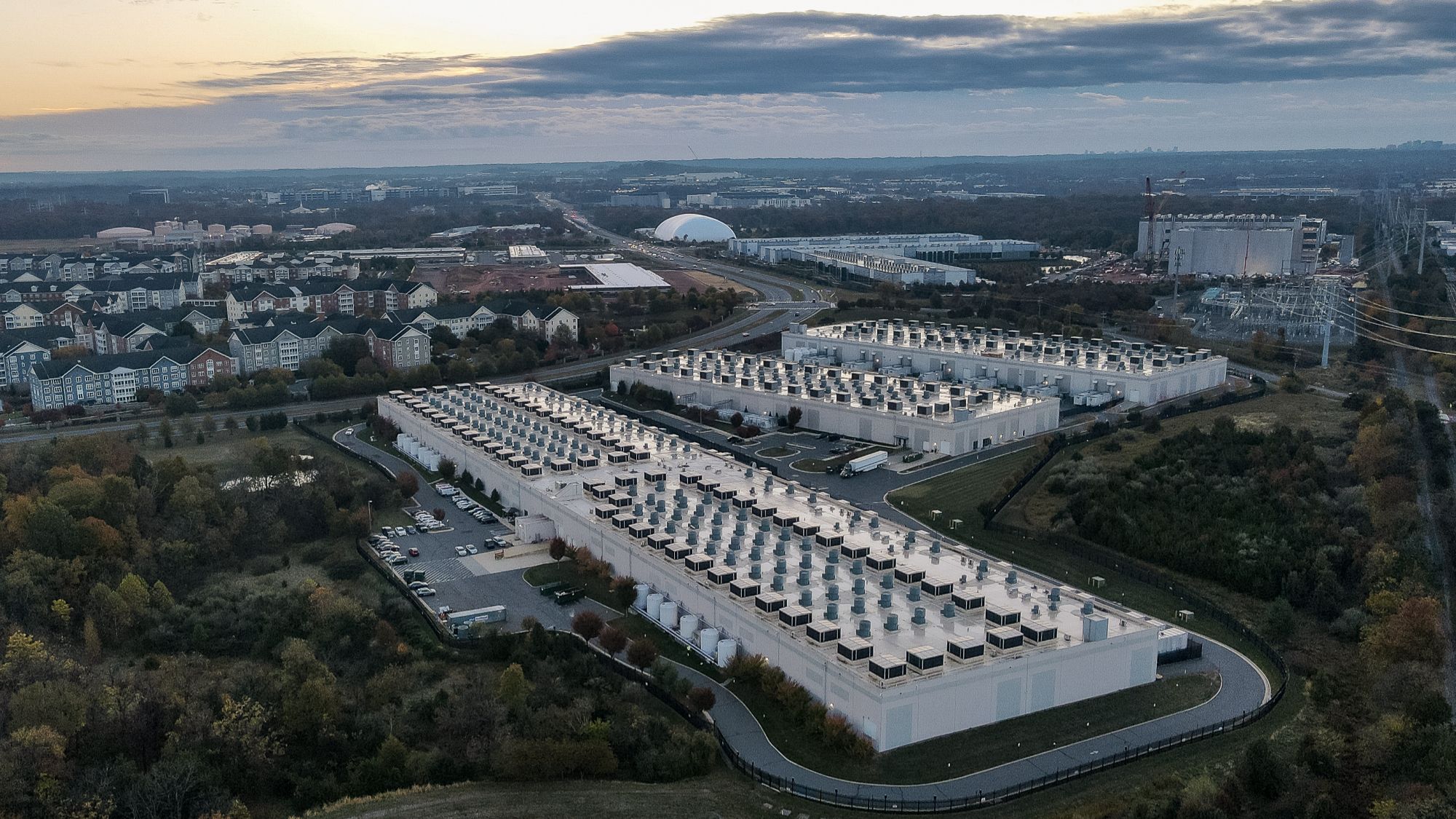
Utah greenlights a massive 9GW AI data center, operating off-grid with natural gas.
Explain Like I'm Five
"Imagine a huge computer factory that needs a lot of electricity. This new factory in Utah is so big it needs more power than the whole state uses! Instead of plugging into the regular power lines, it's building its own power plant right next door, using natural gas, so it makes all its own electricity."
Deep Intelligence Analysis
This development is set against a backdrop of escalating global competition in AI infrastructure, with figures like Kevin O'Leary explicitly citing China's rapid build-out of AI-powered data centers as a key driver. The project's reliance on the Ruby Pipeline for natural gas mirrors similar initiatives, such as SoftBank's planned 10 GW Ohio campus and Meta's 7 GW Louisiana facility, both leveraging gas turbines for on-site generation. Local incentives, including a drastic reduction in energy use tax from 6% to 0.5% and an 80% property tax rebate, highlight the lengths states are willing to go to attract these massive investments, projecting hundreds of millions in annual tax revenue and thousands of permanent jobs. These financial concessions are crucial for de-risking such capital-intensive ventures and positioning regions as prime locations for future AI expansion.
The forward-looking implications are profound, signaling a potential paradigm shift in data center development from grid-dependent models to energy-independent, vertically integrated operations. This trend will likely accelerate the exploration of diverse energy sources, including renewables and potentially small modular reactors, as the industry seeks sustainable and scalable power. However, the immediate reliance on natural gas for projects of this magnitude also intensifies scrutiny on the environmental footprint of AI, demanding greater transparency and innovation in energy solutions. The strategic control over power supply will become as critical as compute capacity itself, reshaping competitive dynamics and influencing national technology leadership for decades to come.
Transparency: This analysis was generated by an AI model, Gemini 2.5 Flash, and reviewed for accuracy and compliance with EU AI Act Art. 50.
Visual Intelligence
flowchart LR
    A["Stratos AI Campus"] --> B["9 GW Power Demand"]
    B --> C["Off-Grid Generation"]
    C --> D["Natural Gas Source"]
    D --> E["Ruby Pipeline"]
    A --> F["MIDA Approval"]
    F --> G["Tax Incentives"]
    A --> H["Economic Boost"]
Auto-generated diagram · AI-interpreted flow
Impact Assessment
This project signals a significant shift in AI infrastructure development, with hyperscalers increasingly building dedicated, off-grid power generation to meet unprecedented energy demands. It highlights the escalating resource requirements for advanced AI and the strategic importance of energy independence for large-scale compute operations.
Key Details
- Utah's MIDA approved a 40,000-acre hyperscale data center campus, 'Stratos', with a potential 9 GW power consumption.
- The 9 GW capacity is more than double Utah's current average electricity use of approximately 4 GW.
- The project will operate entirely off-grid, generating power on-site using natural gas from the Ruby Pipeline.
- Phase 1 alone targets 3 GW generation capacity.
- MIDA reduced the energy use tax from 6% to 0.5% and agreed to rebate 80% of property tax revenue to O'Leary Digital.
Optimistic Outlook
The Stratos campus could establish a new model for AI data center deployment, mitigating grid strain and accelerating compute capacity expansion. Economic incentives and job creation offer substantial regional benefits, while the project's scale could bolster national AI competitiveness against global rivals.
Pessimistic Outlook
Reliance on natural gas for such a massive project raises environmental concerns regarding carbon emissions and long-term sustainability. The sheer scale of power consumption, even off-grid, underscores the immense resource footprint of AI, potentially leading to future energy policy challenges and public scrutiny.
Get the next signal in your inbox.
One concise weekly briefing with direct source links, fast analysis, and no inbox clutter.
More reporting around this signal.
Related coverage selected to keep the thread going without dropping you into another card wall.