AI Art Backlash Forces Restaurant Logo Change in Santa Cruz
Sonic Intelligence
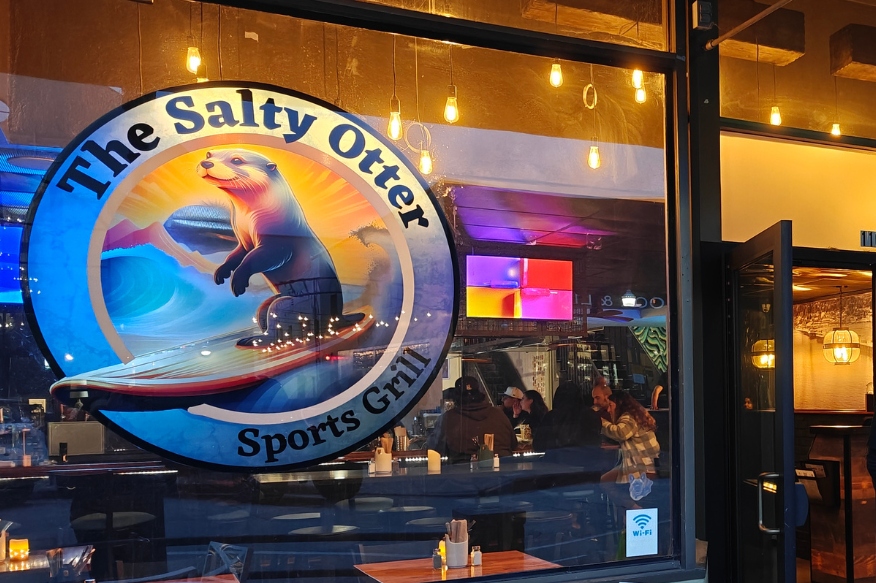
A Santa Cruz restaurant changed its logo due to negative reviews over AI art.
Explain Like I'm Five
"A restaurant used a computer program to help make its logo, and some people got mad because they thought a real artist should have been paid. So, the restaurant changed its logo to plain words to make everyone happy."
Deep Intelligence Analysis
The owner, Rachael Smith, invested approximately 20 hours into the logo using Canva's AI features, aiming to save time and money—a common motivation for small businesses. However, this efficiency gain was overshadowed by consumer perception that the use of AI devalues human artistry and potentially compromises quality. The backlash mirrors similar sentiments seen in other sectors, such as Oakland's Thee Stork Club banning AI-generated concert flyers and a catering platform facing criticism for replacing food photos with AI versions. These reactions indicate a growing expectation among consumers for transparency and ethical sourcing in creative work, even at the local business level.
Looking forward, this event signals a critical juncture for businesses considering AI integration into their public-facing elements. While AI offers undeniable advantages in terms of speed and cost, the reputational risks associated with perceived ethical compromises are substantial. Companies may need to either clearly delineate human-led creative processes or develop strategies to communicate the value and ethical considerations of their AI usage. The incident suggests that the 'AI-first' approach in creative domains must be carefully balanced with 'human-led responsibility' in public perception, or face direct commercial repercussions.
Visual Intelligence
null
Auto-generated diagram · AI-interpreted flow
Impact Assessment
This incident highlights the growing public sensitivity and ethical concerns surrounding AI-generated content, particularly its impact on local businesses and the livelihoods of human artists. It demonstrates how consumer sentiment can directly influence business decisions, even for small enterprises.
Key Details
- The Salty Otter restaurant in Santa Cruz opened in March.
- Owner Rachael Smith spent approximately 20 hours creating the AI-assisted logo using Canva.
- The previous tenant, 99 Bottles, closed in 2020 after 28 years.
- Smith previously owned The Salty Seal on Monterey's Cannery Row, sold in July.
Optimistic Outlook
Increased public awareness of AI's ethical implications could drive demand for ethically sourced or human-created art, potentially benefiting local artists. Businesses might adopt clearer transparency policies regarding AI use, fostering trust with their customer base.
Pessimistic Outlook
The backlash could deter small businesses from leveraging AI tools for cost and time savings, putting them at a disadvantage against larger competitors. It also underscores a potential divide between technological adoption and public acceptance, creating reputational risks for early adopters.
Get the next signal in your inbox.
One concise weekly briefing with direct source links, fast analysis, and no inbox clutter.
More reporting around this signal.
Related coverage selected to keep the thread going without dropping you into another card wall.