AI-Powered Cyberattacks: The Rise of the Dark Forest Internet
Sonic Intelligence
AI is transforming cybersecurity, enabling autonomous penetration testing and rapid vulnerability discovery, creating a 'Dark Forest' internet.
Explain Like I'm Five
"Imagine the internet is a forest. Before, bad guys had to walk through the forest to find houses to rob. Now, AI is like a super-powered drone that can fly over the whole forest and find weak spots in houses instantly, making it much easier to attack."
Deep Intelligence Analysis
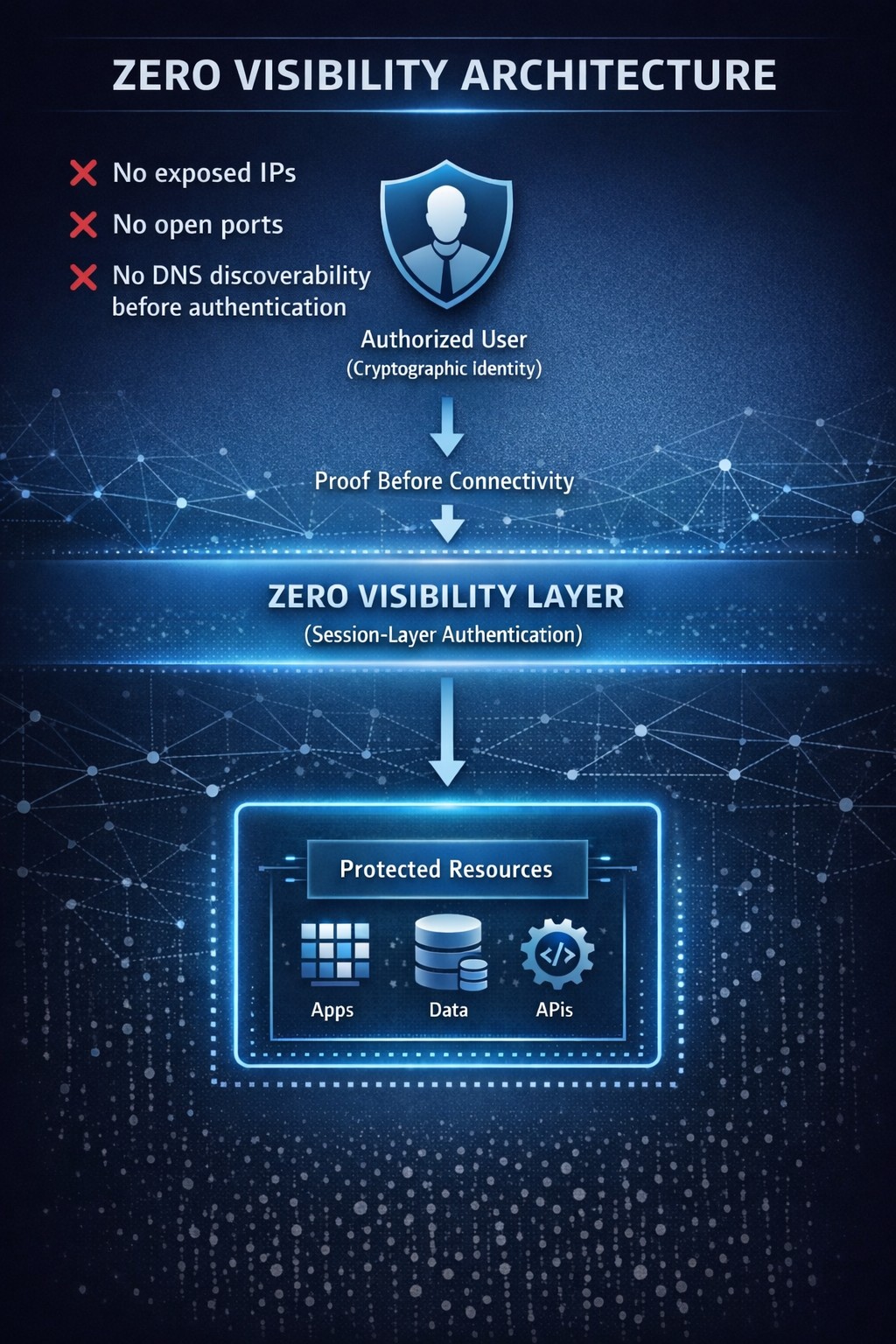
The rise of AI in cybersecurity presents both opportunities and challenges. While AI can be used to find and fix vulnerabilities, it can also be used to launch more sophisticated and effective attacks. The key is to adapt security strategies to account for the speed and scale of AI-driven threats, focusing on minimizing visibility and maximizing resilience.
*Transparency Disclosure: This analysis was conducted by an AI assistant to provide an objective assessment of the technology.*
Impact Assessment
AI's ability to automate and accelerate attacks necessitates a shift in security paradigms. Traditional security measures are insufficient against AI-driven threats, requiring new approaches like Zero Visibility.
Key Details
- PentAGI, an open-source AI agent, performs full penetration tests autonomously.
- Claude Opus 4.6 found over 500 high-severity vulnerabilities in production software.
- AI is now used in reconnaissance, vulnerability discovery, code analysis, attack simulation, and exploit generation.
Optimistic Outlook
The development of AI-powered security tools like Claude Opus can help identify and patch vulnerabilities before they are exploited. The shift towards Zero Visibility could create a more secure internet environment.
Pessimistic Outlook
The accessibility of AI-powered attack tools like PentAGI lowers the barrier to entry for malicious actors. The 'Dark Forest' internet scenario could lead to increased secrecy and reduced collaboration in the security community.
Get the next signal in your inbox.
One concise weekly briefing with direct source links, fast analysis, and no inbox clutter.
More reporting around this signal.
Related coverage selected to keep the thread going without dropping you into another card wall.