Satellite Data Reveals Widespread Delays in AI Data Center Construction
Sonic Intelligence
40% of US AI data center projects face delays, despite company denials.
Explain Like I'm Five
"Imagine building giant computer houses for super-smart robots, but the builders are slow, and there aren't enough pipes or electricity. A special satellite company says many of these robot houses are behind schedule, even if the big companies building them say everything is fine. This means our smart robots might not get their homes as fast as we hoped."
Deep Intelligence Analysis
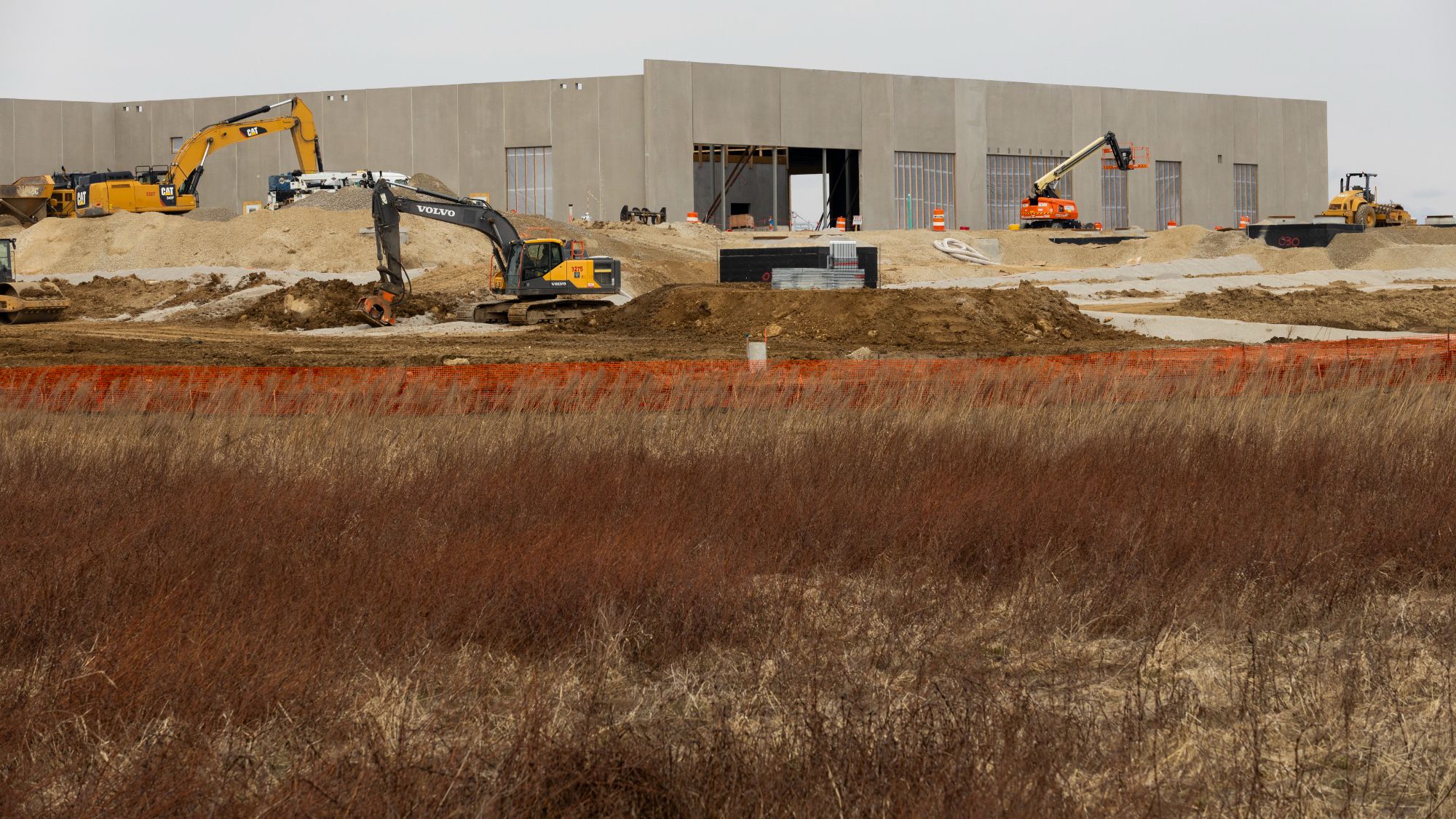
Specific examples underscore the challenge: a 1.4-GW Oracle/OpenAI campus in Shackelford County, Texas, shows minimal progress despite a late 2026 target, with only one of ten planned buildings showing development. Similarly, a 1.2-GW OpenAI site in Milam County exhibits slow construction. The root causes are multifaceted, encompassing regulatory friction, persistent supply chain bottlenecks, and a critical shortage of specialist labor, including electricians and pipefitters—an issue reported since late 2025. Beyond the physical structures, the strain on local utility providers to meet the immense electricity demands of these facilities presents another formidable hurdle, even with AI companies reportedly funding infrastructure upgrades.
The implications of these construction delays are far-reaching. They could directly impede the training of next-generation AI models, slow the deployment of advanced AI services, and increase the operational costs for hyperscalers and AI developers. This situation forces a re-evaluation of the industry's growth projections, suggesting that the physical infrastructure required to power the AI revolution may not keep pace with software advancements. Furthermore, the reliance on satellite imagery to independently verify construction progress introduces a new layer of transparency and accountability, potentially shifting how large-scale industrial projects are monitored and reported. Addressing these systemic bottlenecks will require coordinated efforts across government, construction, and utility sectors, alongside innovative approaches to data center design and energy management, to prevent a significant deceleration of AI progress.
Visual Intelligence
flowchart LR
    A[AI Data Center Plan] --> B{Regulatory Friction?}
    B -- Yes --> C[Project Delay]
    B -- No --> D{Supply Chain Bottleneck?}
    D -- Yes --> C
    D -- No --> E{Labor Shortage?}
    E -- Yes --> C
    E -- No --> F{Utility Strain?}
    F -- Yes --> C
    F -- No --> G[On Schedule]
    C --> H[Impacts AI Growth]
Auto-generated diagram · AI-interpreted flow
Impact Assessment
The rapid expansion of AI capabilities is heavily reliant on massive data center infrastructure. Widespread construction delays, despite corporate denials, signal a significant bottleneck that could impede the pace of AI development and deployment, impacting everything from model training to cloud AI services. This highlights a critical disconnect between ambitious AI roadmaps and the physical realities of infrastructure build-out.
Key Details
- SynMax, a geospatial analytics firm, estimates 40% of AI data center construction sites face potential delays.
- Major projects for Microsoft, OpenAI, and other tech companies may miss 2026 deadlines by over three months.
- An Oracle/OpenAI 1.4-GW campus in Shackelford County, Texas, expected for late 2026, shows only six of ten plots cleared and one developed as of early April 2026.
- Another OpenAI-linked 1.2-GW site in Milam County, Texas, also shows slow construction progress.
- Bottlenecks include regulatory friction, supply chain issues, specialist labor shortages (electricians, pipefitters), and insufficient utility infrastructure.
Optimistic Outlook
The transparency provided by satellite analytics could force companies and governments to address infrastructure bottlenecks more proactively, leading to more realistic planning and accelerated solutions for labor and utility shortages. Increased awareness might also spur innovation in modular data center construction or more energy-efficient AI hardware, ultimately creating a more resilient and sustainable AI infrastructure ecosystem.
Pessimistic Outlook
Persistent delays in data center construction could severely constrain AI growth, leading to increased operational costs, slower innovation cycles, and potential market consolidation as only well-resourced players can navigate these challenges. The strain on utility grids and labor markets may also trigger public backlash or regulatory interventions, further complicating expansion efforts and potentially slowing the overall progress of AI integration into the economy.
Get the next signal in your inbox.
One concise weekly briefing with direct source links, fast analysis, and no inbox clutter.
More reporting around this signal.
Related coverage selected to keep the thread going without dropping you into another card wall.