AI Drones Used in Gaza Now Surveilling American Cities
Sonic Intelligence
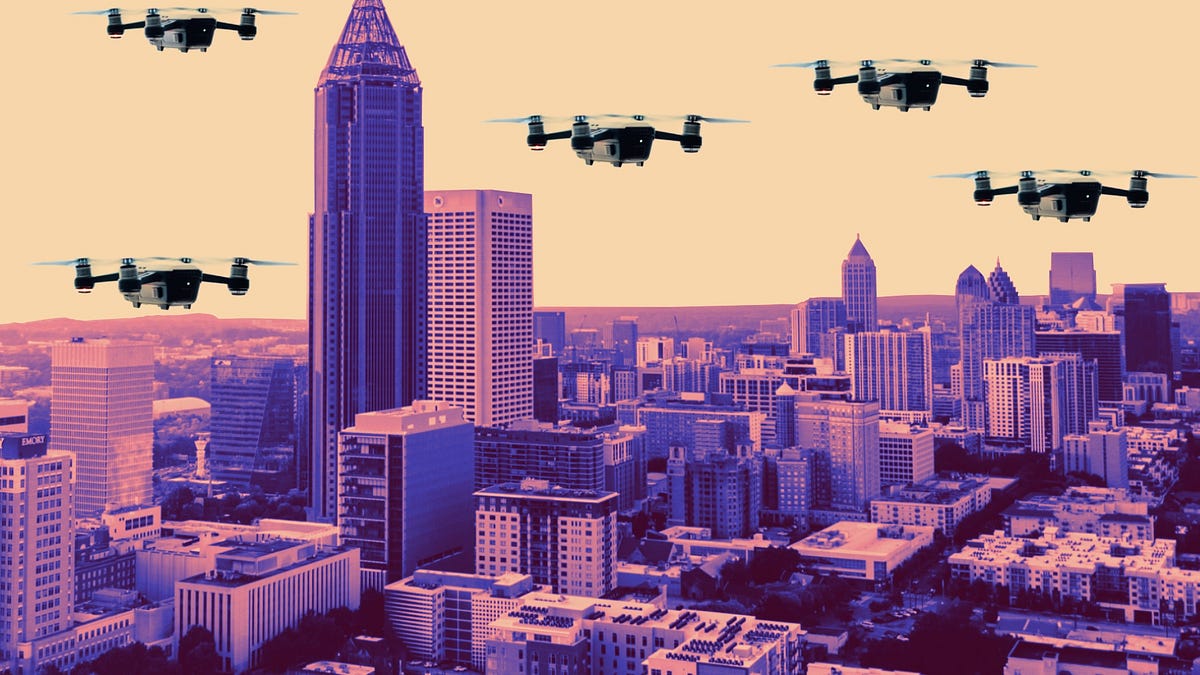
Skydio AI-powered drones, used by the IDF in Gaza, are now surveilling American cities, raising privacy and ethical concerns.
Explain Like I'm Five
"Imagine tiny robots with cameras flying over your city, watching everything. These robots use computers to see and understand what's happening. Some people worry that these robots might watch too much and not respect people's privacy."
Deep Intelligence Analysis
The AI system behind Skydio drones, powered by Nvidia chips, enables autonomous operation and advanced capabilities such as thermal imaging, 3D reconstruction, and high-speed flight. These features enhance the effectiveness of surveillance but also amplify the potential for misuse.
The lack of clear regulations and oversight regarding drone usage creates a risk of privacy violations and discriminatory targeting. The potential for bias in AI algorithms could further exacerbate these concerns, leading to disproportionate surveillance of certain communities. While increased transparency and public awareness could help mitigate some of these risks, the current trajectory raises serious questions about the balance between security and civil liberties in the age of AI-powered surveillance.
Impact Assessment
The increasing use of AI-powered drones for surveillance raises concerns about privacy violations and the potential for misuse. The fact that these drones are being deployed in American cities after being used in conflict zones adds another layer of ethical complexity.
Key Details
- Skydio has contracts with over 800 law enforcement and security agencies in the US.
- The NYPD launched over 20,000 drone flights in less than a year.
- Detroit recently spent nearly $300,000 on fourteen Skydio drones.
Optimistic Outlook
Increased transparency and regulation of drone usage could mitigate some of the risks. Public awareness and advocacy could also help ensure that these technologies are used responsibly and ethically.
Pessimistic Outlook
The lack of clear regulations and oversight could lead to widespread surveillance and erosion of privacy. The potential for bias in AI algorithms could also result in discriminatory targeting of certain communities.
Get the next signal in your inbox.
One concise weekly briefing with direct source links, fast analysis, and no inbox clutter.
More reporting around this signal.
Related coverage selected to keep the thread going without dropping you into another card wall.