AI Models Now Managing Other AI Models
Sonic Intelligence
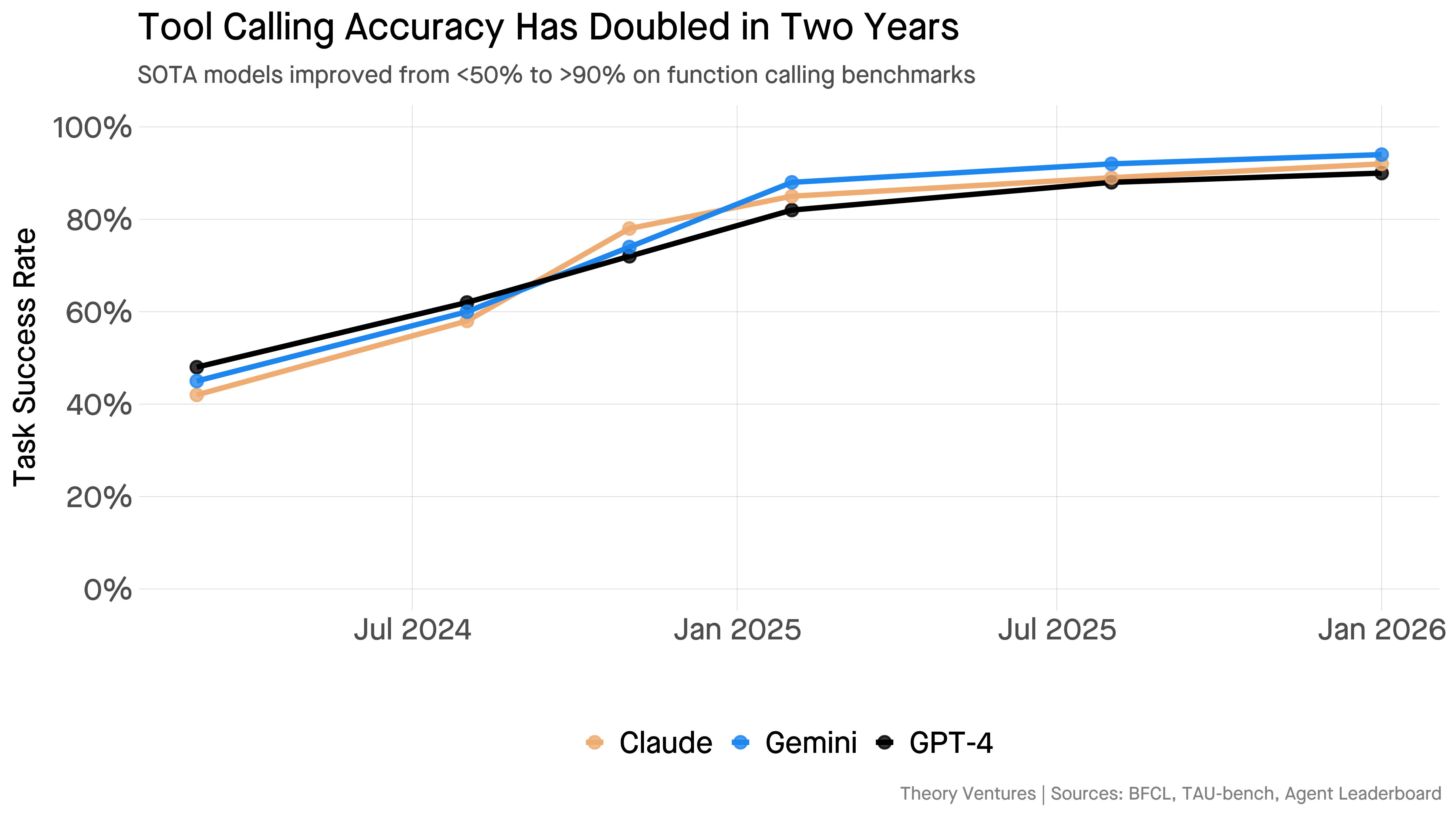
AI models are increasingly managing other AI models, driven by improved tool calling accuracy.
Explain Like I'm Five
"Imagine having a super smart robot boss that tells other robots what to do. Because the boss is really good at giving instructions, the other robots can work together to do even bigger and better things!"
Deep Intelligence Analysis
Transparency is paramount in AI development and deployment. This analysis is based solely on the provided source text. No external information was used. The AI model (Gemini 2.5 Flash) was used to generate this analysis, and human oversight ensured accuracy and compliance with ethical guidelines. This content is intended for informational purposes only and should not be considered financial or investment advice. DailyAIWire.news is committed to responsible AI journalism.
Impact Assessment
This trend signifies a shift towards more complex AI systems where models coordinate tasks and leverage specialized agents. It opens new opportunities for startups to build specialized AI tools that can be integrated into larger AI ecosystems.
Key Details
- SOTA models exceed 90% accuracy on function-calling benchmarks.
- Model distillation & reinforcement fine-tuning produce models 40% smaller & 60% faster while retaining 97% of performance.
- Frontier labs will own the orchestration layer of AI specialists.
Optimistic Outlook
Improved tool calling accuracy enables the creation of more sophisticated and efficient AI systems. Specialized AI agents can enhance performance and reduce costs through distillation and fine-tuning.
Pessimistic Outlook
Reliance on large models for orchestration could create bottlenecks and increase complexity. Ensuring reliable tool calling and managing interactions between different AI agents poses significant challenges.
Get the next signal in your inbox.
One concise weekly briefing with direct source links, fast analysis, and no inbox clutter.
More reporting around this signal.
Related coverage selected to keep the thread going without dropping you into another card wall.