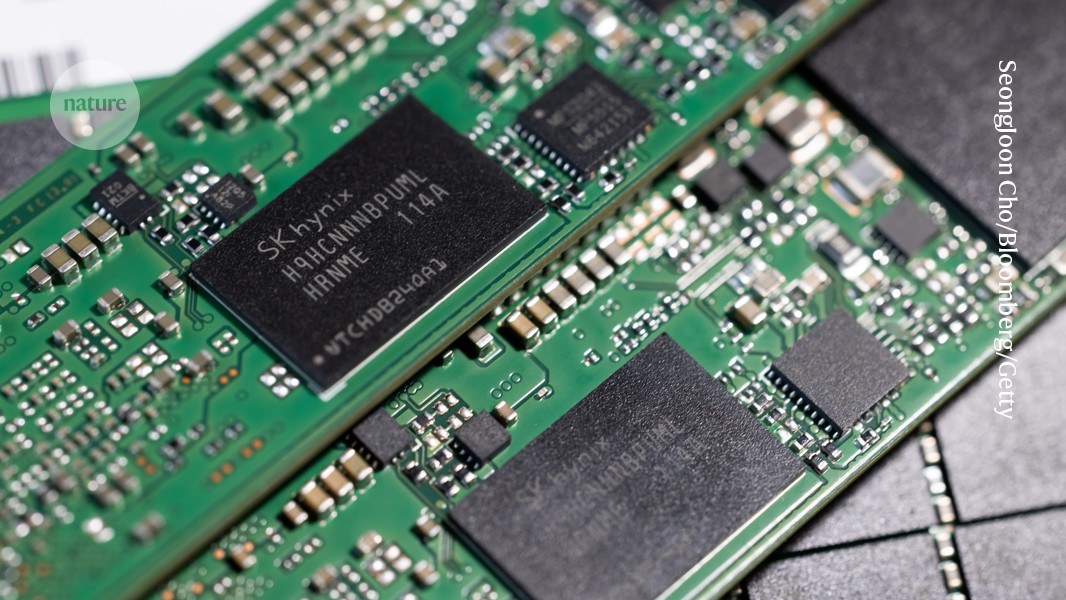
AI Boom Causes 'RAMmageddon,' Impacting Scientific Research
Sonic Intelligence
The surge in AI demand is causing a RAM shortage, driving up prices and impacting scientific research.
Explain Like I'm Five
"Imagine if the stuff that helps computers remember things got super expensive, making it harder for scientists to do their work."
Deep Intelligence Analysis
Impact Assessment
The RAM shortage threatens to widen the gap between well-funded and resource-constrained research institutions. It also incentivizes the development of more efficient algorithms and hardware.
Key Details
- ● RAM prices tripled in 2025 due to AI demand.
- ● Memory now accounts for over one-third of computer building costs, up from 15%.
- ● The shortage is expected to last well into 2027.
- ● Researchers are reducing the scope of studies and breaking data into chunks to mitigate costs.
Optimistic Outlook
The crisis could spur innovation in memory technology and algorithm design, leading to more efficient AI systems. Increased demand may also encourage manufacturers to ramp up production in the long term.
Pessimistic Outlook
The ongoing shortage could slow down scientific progress and limit access to AI tools for researchers in less affluent settings. The increased cost of computing infrastructure could further exacerbate existing inequalities.
Get the next signal in your inbox.
One concise weekly briefing with direct source links, fast analysis, and no inbox clutter.
More reporting around this signal.
Related coverage selected to keep the thread going without dropping you into another card wall.