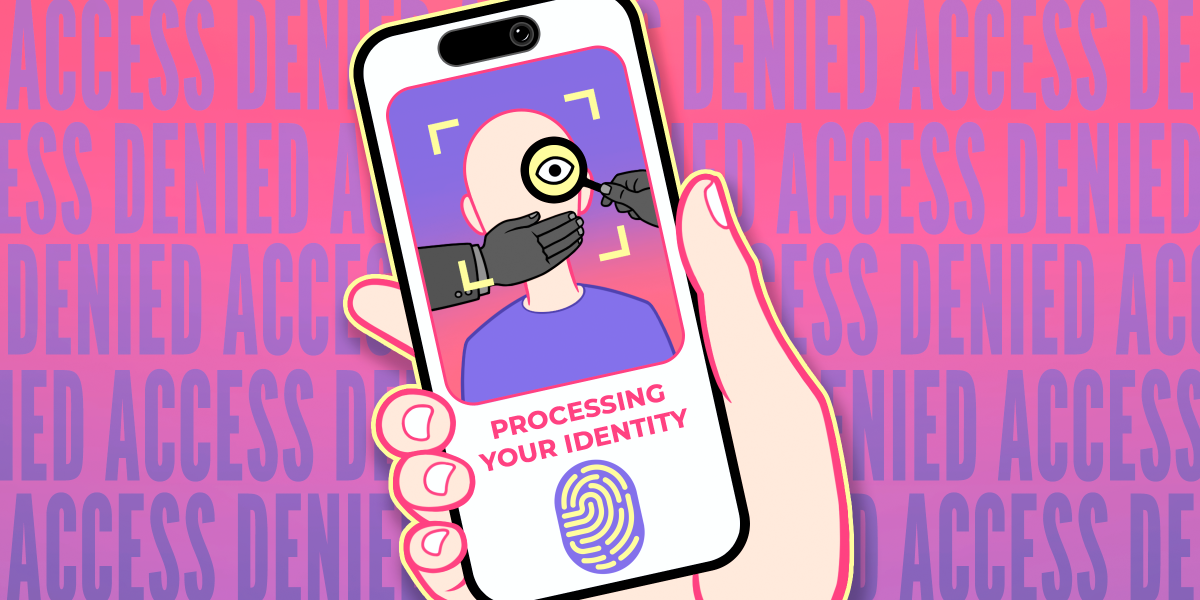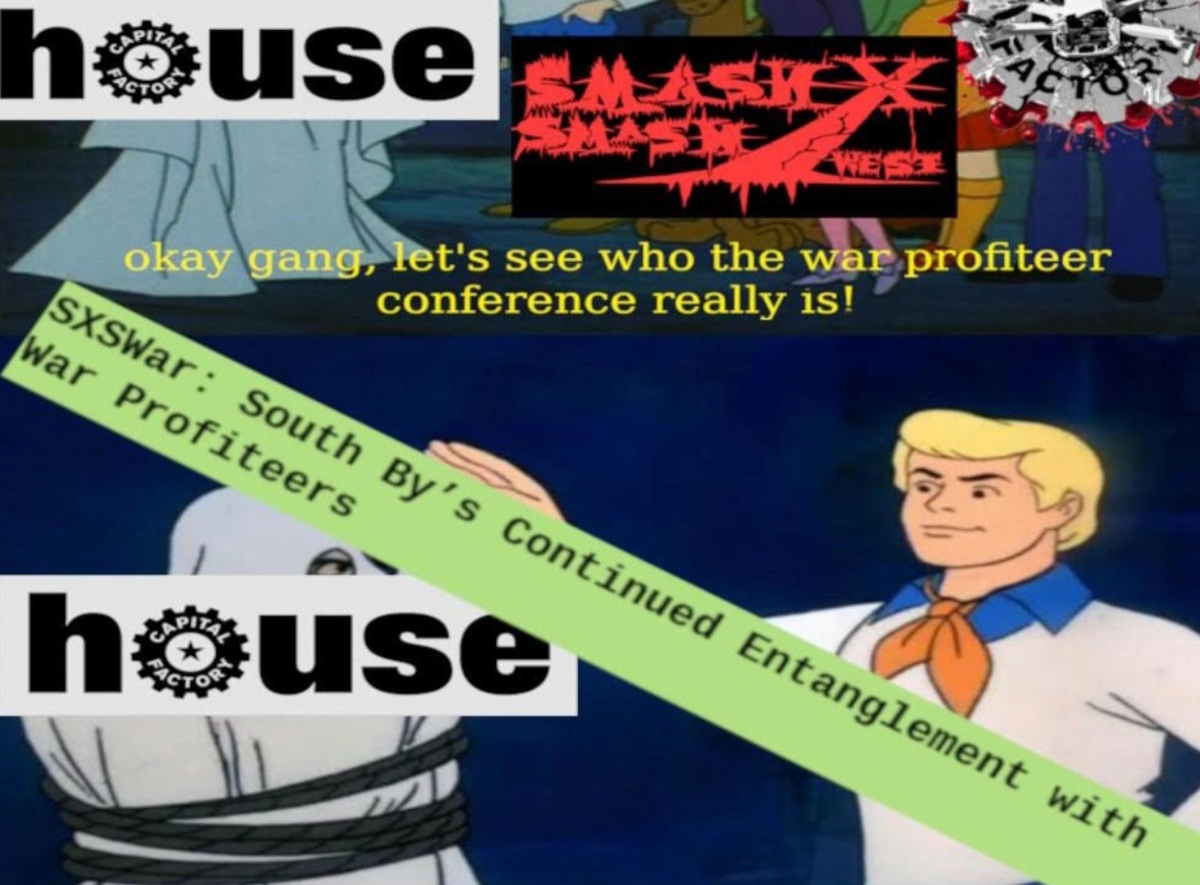
AI Trademark Tool Used to Censor SXSW Dissent on Instagram
Sonic Intelligence
An AI tool censored SXSW critics, raising free speech and trademark enforcement concerns.
Explain Like I'm Five
"Imagine a robot guard at a party who is told to stop anyone using the party's special name without permission. But instead of just stopping people who pretend to be the party, it also stops people who are just talking about the party, even if they're saying something important. That's what happened when a smart computer program stopped people from talking about SXSW on Instagram, even when they weren't doing anything wrong, just criticizing it."
Deep Intelligence Analysis
This development underscores a growing tension between intellectual property protection and the fundamental right to free expression. Legal experts, such as the EFF's Cara Gagliano, unequivocally state that using a company's name for critical discourse is permissible under trademark law, categorizing the automated takedown as 'over-enforcement.' Unlike traditional cease and desist letters, which allow for human intervention and negotiation, automated removals offer no incentive for retraction, leaving legitimate critical content suppressed indefinitely. This operational distinction creates a significant hurdle for activists and critics seeking to engage in public discourse around major events or corporations.
Looking forward, the widespread adoption of such AI tools without adequate human oversight or robust contextual understanding poses a substantial risk to online civic spaces. The precedent set by incidents like this could embolden entities to leverage automation to silence inconvenient narratives, eroding trust in digital platforms and stifling legitimate public debate. Regulatory bodies and platform providers must urgently develop clearer guidelines and implement sophisticated AI models capable of nuanced legal interpretation, ensuring that technological advancements in enforcement do not inadvertently undermine democratic principles of free speech and open criticism.
Impact Assessment
The incident at SXSW reveals a critical vulnerability in automated content moderation: AI tools, when misconfigured or overzealous, can become instruments of censorship. This blurs the lines between legitimate trademark protection and the suppression of critical speech, impacting fundamental rights in digital spaces.
Key Details
- BrandShield, an AI-powered 'digital risk protection' service, was used by SXSW.
- A post by Vocal Texas, a nonprofit, mentioning SXSW was automatically removed from Instagram despite not using SXSW logos.
- EFF attorney Cara Gagliano stated that critical speech using a company's name is not a trademark violation and constitutes 'over-enforcement'.
- EFF previously intervened in March 2024 regarding a cease and desist letter sent by SXSW to the Austin for Palestine coalition for modified logo use.
- Automated takedowns, unlike direct legal threats, offer no incentive for retraction of content.
Optimistic Outlook
Increased public scrutiny of AI-powered content moderation tools could lead to better safeguards and clearer legal guidelines. This incident might prompt platforms and tool developers to implement human oversight and appeal mechanisms, ensuring that free speech is not inadvertently stifled by automation.
Pessimistic Outlook
Without robust legal and technical checks, the proliferation of AI-powered enforcement tools risks creating an environment where dissent is easily silenced. Companies could leverage these tools to suppress criticism under the guise of intellectual property protection, leading to a chilling effect on online activism and public discourse.
Get the next signal in your inbox.
One concise weekly briefing with direct source links, fast analysis, and no inbox clutter.
More reporting around this signal.
Related coverage selected to keep the thread going without dropping you into another card wall.