US GUARD Act Risks Broad Internet Restrictions for Minors Beyond AI Chatbots
Sonic Intelligence
The US GUARD Act, an age-gating bill, threatens to broadly restrict minors' internet access.
Explain Like I'm Five
"Imagine if to use any app or website, you had to show your ID to prove you're old enough, even for homework help. A new law called the GUARD Act wants to do this, saying it's to protect kids from tricky AI, but it might just stop kids from using lots of helpful internet stuff."
Deep Intelligence Analysis
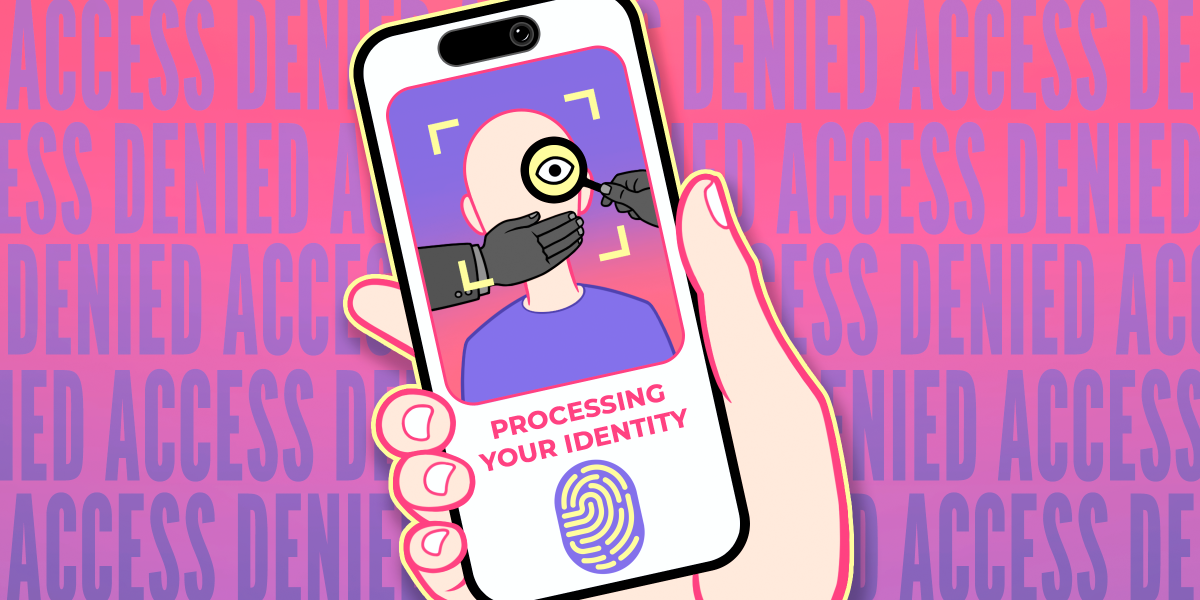
The core issue lies in the bill's definitions: an "AI chatbot" is any system not fully pre-written, and an "AI companion" is any chatbot designed to "encourage or facilitate" interpersonal or emotional interaction. These definitions are so vague that a simple homework helper or empathetic customer service bot could fall under their purview. The legislation mandates "reasonable age verification" for all users, potentially requiring government IDs or third-party systems, and then blocks minors from broadly defined "AI companions." This creates a scenario where companies, fearing steep penalties, would likely err on the side of caution, leading to widespread blocking of minors or the stripping down of useful online tools for everyone.
The implications are far-reaching. Beyond the immediate impact on minors' access to educational resources and routine online interactions, the GUARD Act could fundamentally alter the digital landscape by normalizing privacy-invasive age verification for all users. This could undermine digital anonymity and create a fragmented internet experience, where access is dictated by age and identity verification rather than content appropriateness. The debate highlights a critical tension: how to safeguard vulnerable populations from emerging AI risks without imposing overly broad restrictions that stifle beneficial use and erode fundamental digital rights.
Visual Intelligence
flowchart LR
    A["User Access Attempt"] --> B{"Age Verification?"}
    B -- "Yes" --> C{"Under 18?"}
    C -- "Yes" --> D{"AI Companion?"}
    D -- "Yes" --> E["Block Access"]
    D -- "No" --> F["Allow Access"]
    C -- "No" --> F
    B -- "No" --> F
Auto-generated diagram · AI-interpreted flow
Impact Assessment
This legislation, while framed to protect minors from harmful AI, uses definitions so broad they could severely limit access to common online tools, impacting education, customer service, and general internet use for an entire demographic. It also raises significant privacy concerns for all users due to mandatory age verification.
Key Details
- The GUARD Act is a proposed age-gating bill in the U.S. Congress.
- It mandates age verification for all users and blocks under-18s from a wide range of online systems.
- The bill defines 'AI chatbot' as any system generating non-pre-written responses.
- 'AI companion' is defined as a chatbot producing human-like responses encouraging interpersonal or emotional interaction.
- Concerns include blocking minors from homework help tools and customer service chats, and forcing adults to sacrifice privacy.
Optimistic Outlook
If refined, the GUARD Act could establish clearer safeguards against truly harmful AI interactions for vulnerable youth, prompting platforms to develop more responsible and age-appropriate AI systems. It could also spur innovation in privacy-preserving age verification technologies, enhancing online safety without broad restrictions.
Pessimistic Outlook
The bill's current broad scope risks creating a 'walled garden' internet for minors, hindering their educational and developmental access to online resources. It could also lead to widespread over-blocking by companies fearing penalties, and force privacy-invasive age verification on all users, undermining digital anonymity.
Get the next signal in your inbox.
One concise weekly briefing with direct source links, fast analysis, and no inbox clutter.
More reporting around this signal.
Related coverage selected to keep the thread going without dropping you into another card wall.